
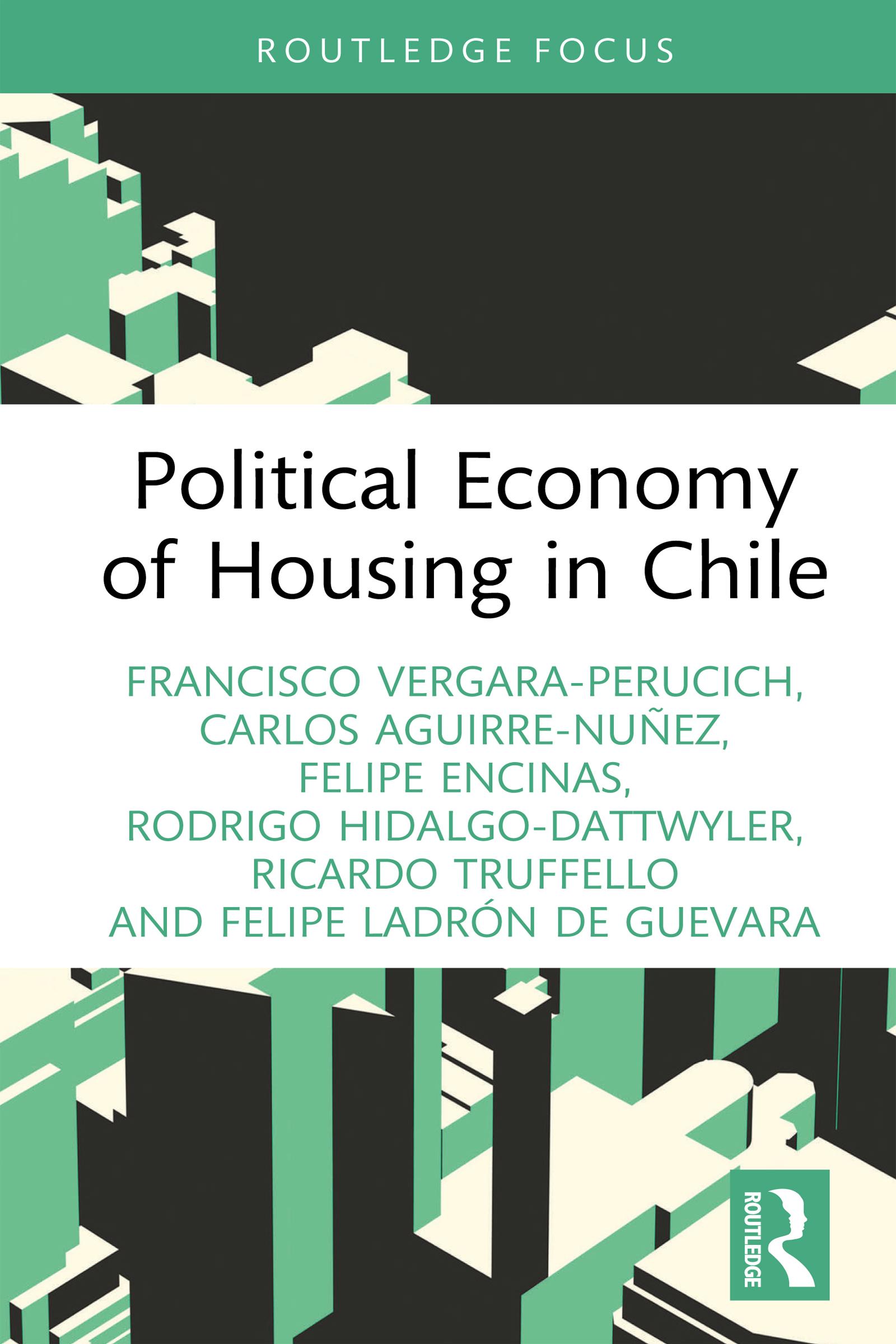
Through the lens of political economy, this book positions housing as a key factor in understanding social inequality. It does so by drawing on rich empirical evidence from the case of the Chilean housing market.
This book provides insights on the articulation between real estate development, housing provision and social inequality based on applied urban economics analyses that illustrate the contradictions of neoliberal urbanism through the case of Chile. For neoliberal urbanism, the good city is not equal for all, it is based on the principle of profitability and benefits from segregation to make capital investment more efficient. The chapters of this book expose how these processes are generated by a political system that allows them rather than by the invisible hand of the market.
The book will be of interest to graduate students in urban studies, urban planning, sociology and urban geography. It will also appeal to decision-makers and also to actors in the real estate market seeking to perfect the social benefits of their professional activities, aspiring to generate more egalitarian and just cities.
Payez facilement par carte, Klarna, Apple Pay ou Google Pay. Pas satisfait ? Vous avez toujours une garantie de remboursement de 14 jours. En savoir plus dans nos conditions. Si vous avez des questions, envoyez-nous un e-mail à hello@memmo.org.
Memmo facilite tes études, où que tu sois dans le monde. On rassemble tes manuels de cours et des outils d'étude intelligents au même endroit : résumés, quiz, podcasts et flashcards. Et il y a Ted, ton compagnon d'étude qui répond à toutes tes questions. Plus de 50 000 étudiants étudient déjà ici – conçu pour t'aider à apprendre plus vite et à moins stresser.