
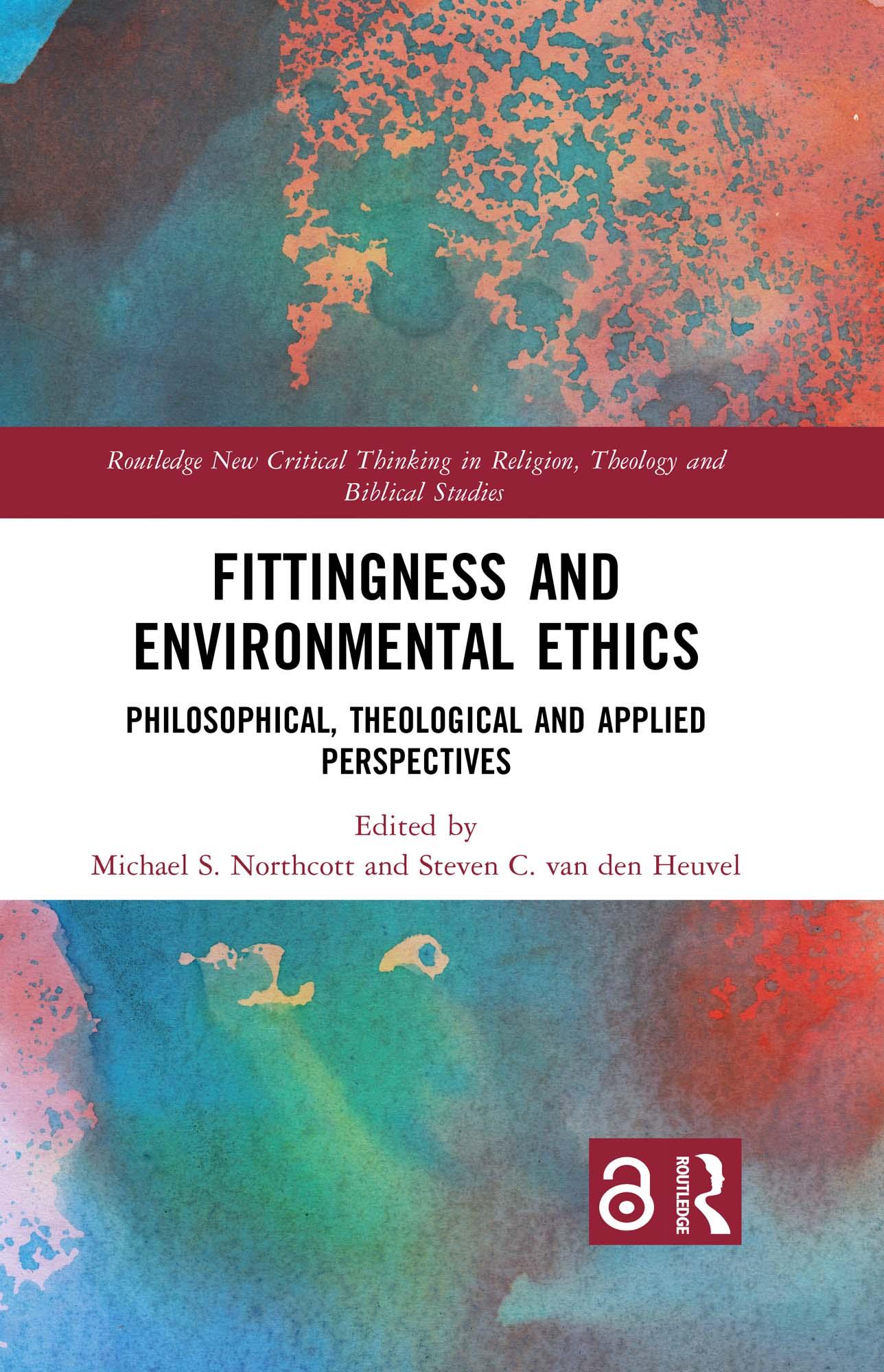
This volume focuses on ‘fittingness’ as an ethical-aesthetical idea, and in particular examines how the concept is beneficial for environmental ethics. It brings together an innovative set of contributions to argue that fittingness is a significant but under-investigated facet of human ethical deliberation with both ethical and aesthetic dimensions. In widely diverse matters – from architecture to table manners – individuals and communities make decisions based on ‘fittingness’, also expressed in related terms, such as appropriateness, prudence, temperance, and mutuality. In the realm of environmental ethics, fittingness denotes a relation between conscious embodied persons and their habitats and is of relevance to judgements about how humans shape, and take up with, the non-human environment, and hence to ethical decisions about the development and use of the environment and non-human creatures. As such, fittingness can be of great benefit in reframing human relationships to the non-human, stimulating a way of living in the world that is fitting to the preservation of its fruitfulness, goodness, beauty, and truth.
Payez facilement par carte, Klarna, Apple Pay ou Google Pay. Pas satisfait ? Vous avez toujours une garantie de remboursement de 14 jours. En savoir plus dans nos conditions. Si vous avez des questions, envoyez-nous un e-mail à hello@memmo.org.
Memmo facilite tes études, où que tu sois dans le monde. On rassemble tes manuels de cours et des outils d'étude intelligents au même endroit : résumés, quiz, podcasts et flashcards. Et il y a Ted, ton compagnon d'étude qui répond à toutes tes questions. Plus de 50 000 étudiants étudient déjà ici – conçu pour t'aider à apprendre plus vite et à moins stresser.