
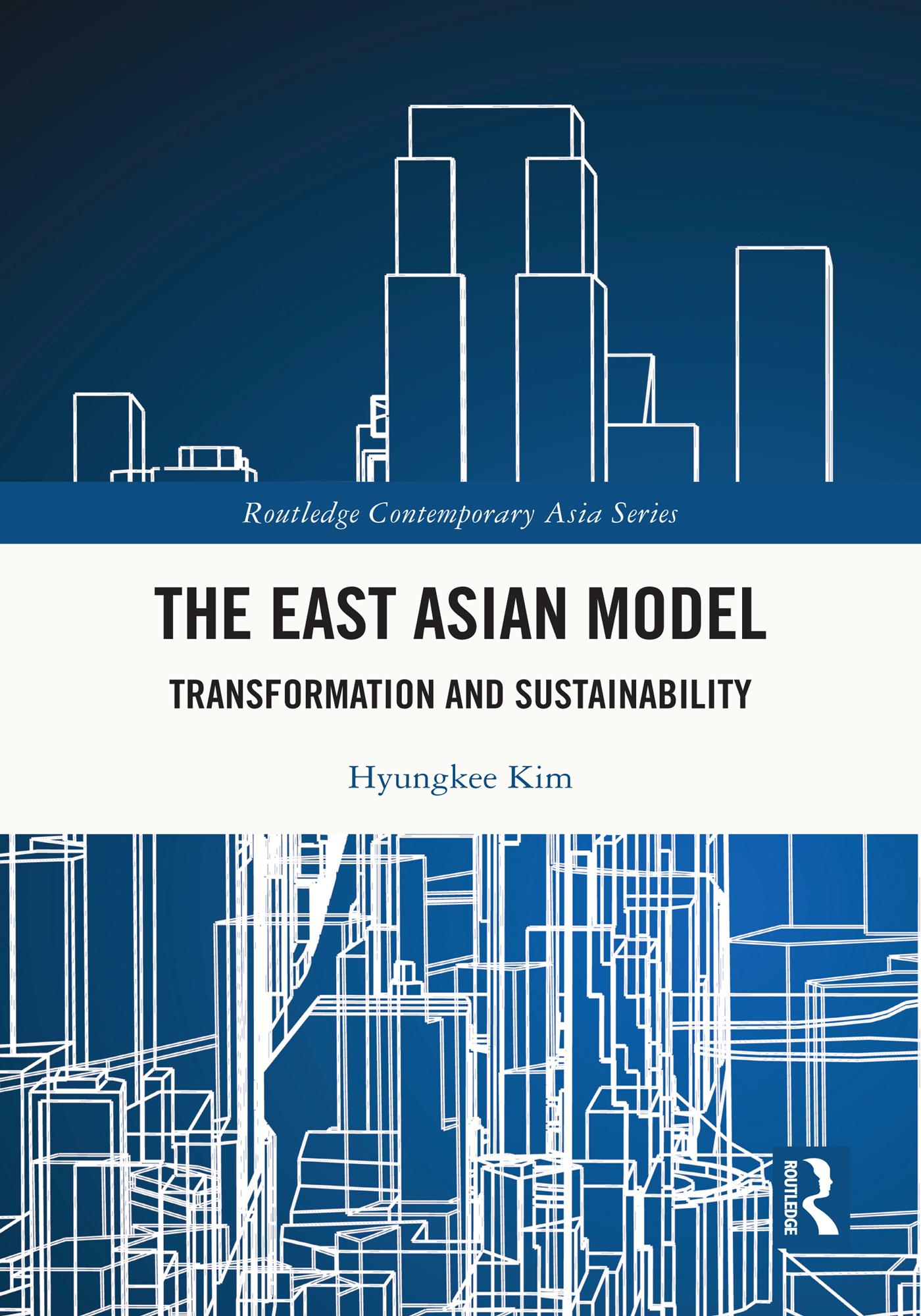
Hyungkee Kim analyses the model of East Asian development as it existed during periods of high growth and how it was transformed by pressures from both the Washington consensus and its own internal contradictions.
Many have discussed the successes and failures of the East Asian model, but Kim is concerned rather with the story of its transformation, and its long-term sustainability. He uses a Five Sector Model, which focuses on the, state, corporate, financial, labour, and foreign sectors to identify the core of East Asian model and examine the variants in Korea, Japan and China. He also outlines the distinctions between the East Asian model and Western development models including the Anglo-American, Rhine, and Nordic models. He analyses in detail the institutional changes such as marketization, privatization, liberalization, and flexibilization that have transformed the East Asian model. Highlighting the major problems that emerged from the transformation of the East Asian model, Kim assesses its prospects for economic, social and ecological sustainability and proposes an agenda for institutional reforms.
An essential reading for scholars of East Asian political economy.
Payez facilement par carte, Klarna, Apple Pay ou Google Pay. Pas satisfait ? Vous avez toujours une garantie de remboursement de 14 jours. En savoir plus dans nos conditions. Si vous avez des questions, envoyez-nous un e-mail à hello@memmo.org.
Memmo facilite tes études, où que tu sois dans le monde. On rassemble tes manuels de cours et des outils d'étude intelligents au même endroit : résumés, quiz, podcasts et flashcards. Et il y a Ted, ton compagnon d'étude qui répond à toutes tes questions. Plus de 50 000 étudiants étudient déjà ici – conçu pour t'aider à apprendre plus vite et à moins stresser.