
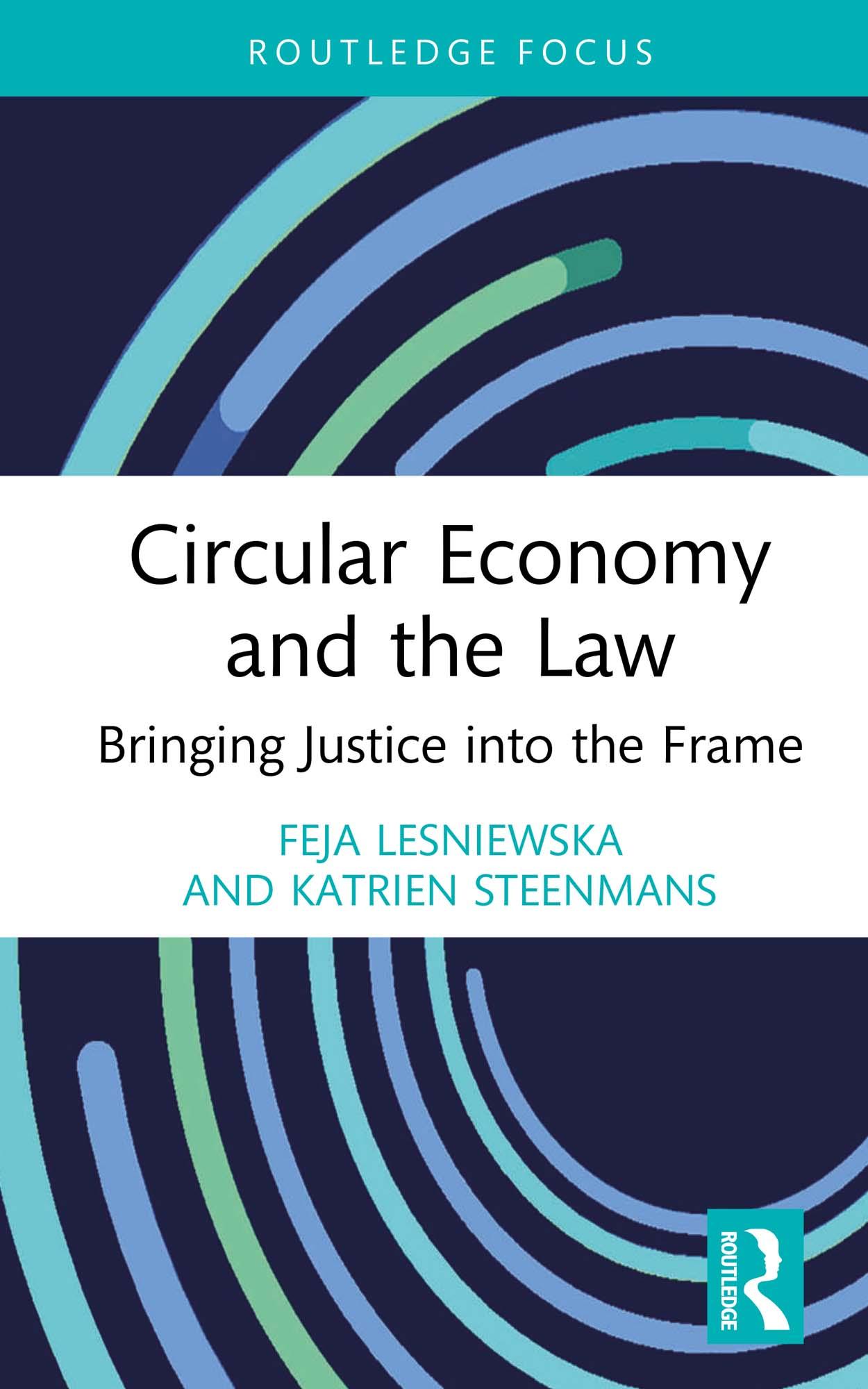
This book explores the role of law and policy in circular economy transitions and their impacts on justice, including on distributional equity and recognition and procedural rights, especially for people already marginalised under the current dominant economic system.
Amid increasing demand for virgin raw materials, and unsustainable consumption and waste disposal that are driving the global ecological and climate crisis, there are growing calls to urgently transition to circular economies. Despite an increasing number of circular approaches being adopted, implemented, and integrated in national and local laws and policies, the number of commercially successful business stories remains isolated. Moreover, questions about whether circular economy laws and policies are delivering fair and just global outcomes need to be addressed. This book examines this significant knowledge gap to understand legal experiences, including justice and equity issues in the global context, so that these can inform wider design and implementation. The book begins by explaining the concept of a circular economy and its context within wider issues of sustainable development and justice. The first part of the book then examines the legal context of the circular economy by analysing legal forms in practice and those recommended in wider scholarship before considering how these could impact on existing inequity and injustices globally. The second part delivers an empirical understanding of the implications of the law on circular economy approaches and the global equity and justice dimensions through two case studies on solid waste management and forestry. The final part addresses legal opportunities and challenges for wider implementation of circular economy approaches that incorporate justice into its framing.
This book will be of great interest to students, scholars, and practitioners of environmental and natural resource law and policy, circular economy, industrial ecology, natural resource management, and sustainable development more broadly.
Payez facilement par carte, Klarna, Apple Pay ou Google Pay. Pas satisfait ? Vous avez toujours une garantie de remboursement de 14 jours. En savoir plus dans nos conditions. Si vous avez des questions, envoyez-nous un e-mail à hello@memmo.org.
Memmo facilite tes études, où que tu sois dans le monde. On rassemble tes manuels de cours et des outils d'étude intelligents au même endroit : résumés, quiz, podcasts et flashcards. Et il y a Ted, ton compagnon d'étude qui répond à toutes tes questions. Plus de 50 000 étudiants étudient déjà ici – conçu pour t'aider à apprendre plus vite et à moins stresser.