
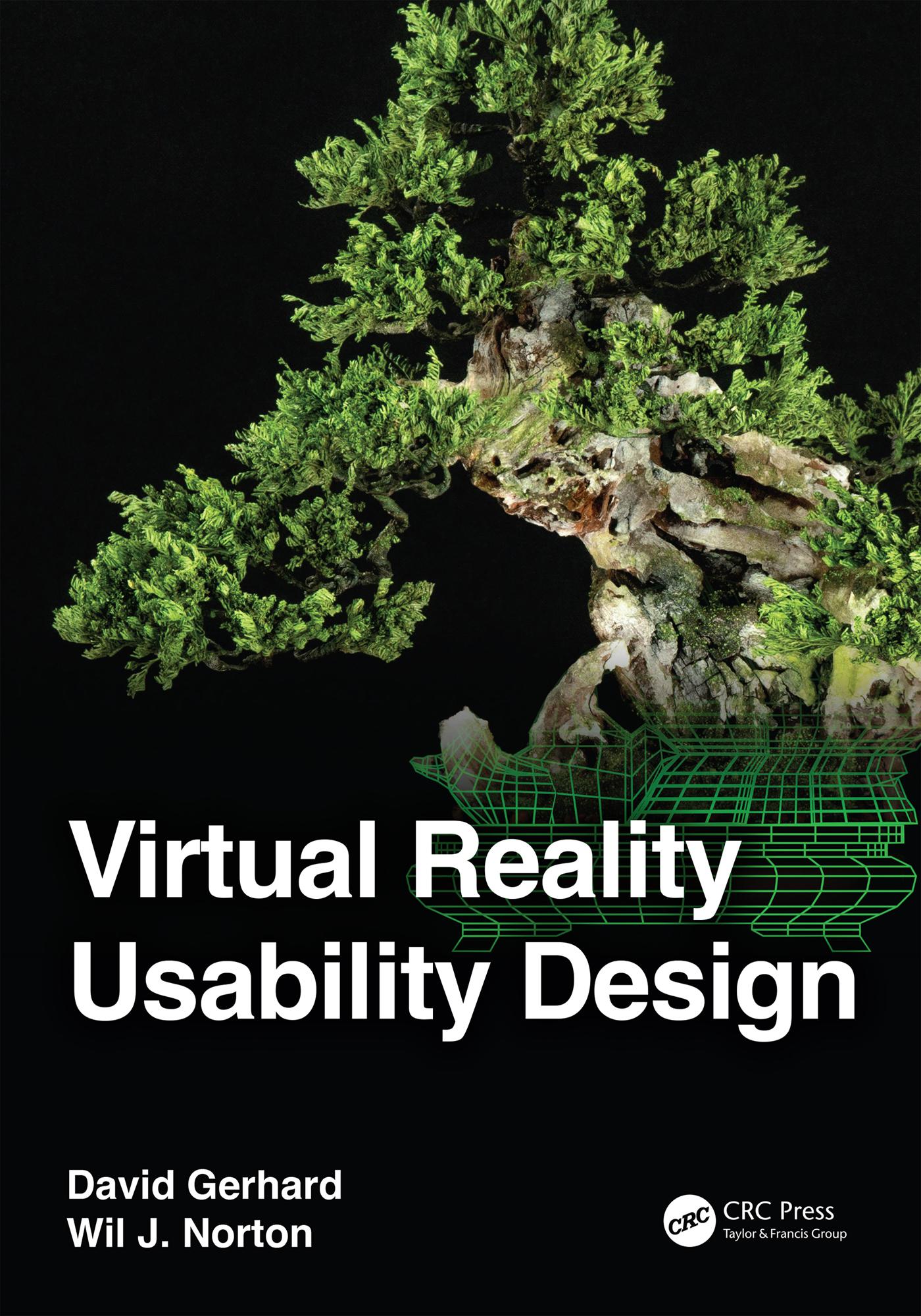
The development of effective and usable software for spatial computing platforms like virtual reality (VR) requires an understanding of how these devices create new possibilities (and new perils) when it comes to interactions between humans and computers. Virtual Reality Usability Design provides readers with an understanding of the techniques and technologies required to design engaging and effective VR applications.
The book covers both the mechanics of how human senses and the mind experience immersive virtual environments, as well as how to leverage these mechanics to create human-focused virtual experiences. Deeply rooted in principles of human perception and computational interaction, the current and future limitations of these replacements are also considered.
Full of real-world examples, this book is an indispensable guide for any practising VR developer interested in making efficient and effective interfaces. Meanwhile, explorations of concrete theory in their practical application will be useful for VR students and researchers alike.
Payez facilement par carte, Klarna, Apple Pay ou Google Pay. Pas satisfait ? Vous avez toujours une garantie de remboursement de 14 jours. En savoir plus dans nos conditions. Si vous avez des questions, envoyez-nous un e-mail à hello@memmo.org.
Memmo facilite tes études, où que tu sois dans le monde. On rassemble tes manuels de cours et des outils d'étude intelligents au même endroit : résumés, quiz, podcasts et flashcards. Et il y a Ted, ton compagnon d'étude qui répond à toutes tes questions. Plus de 50 000 étudiants étudient déjà ici – conçu pour t'aider à apprendre plus vite et à moins stresser.