
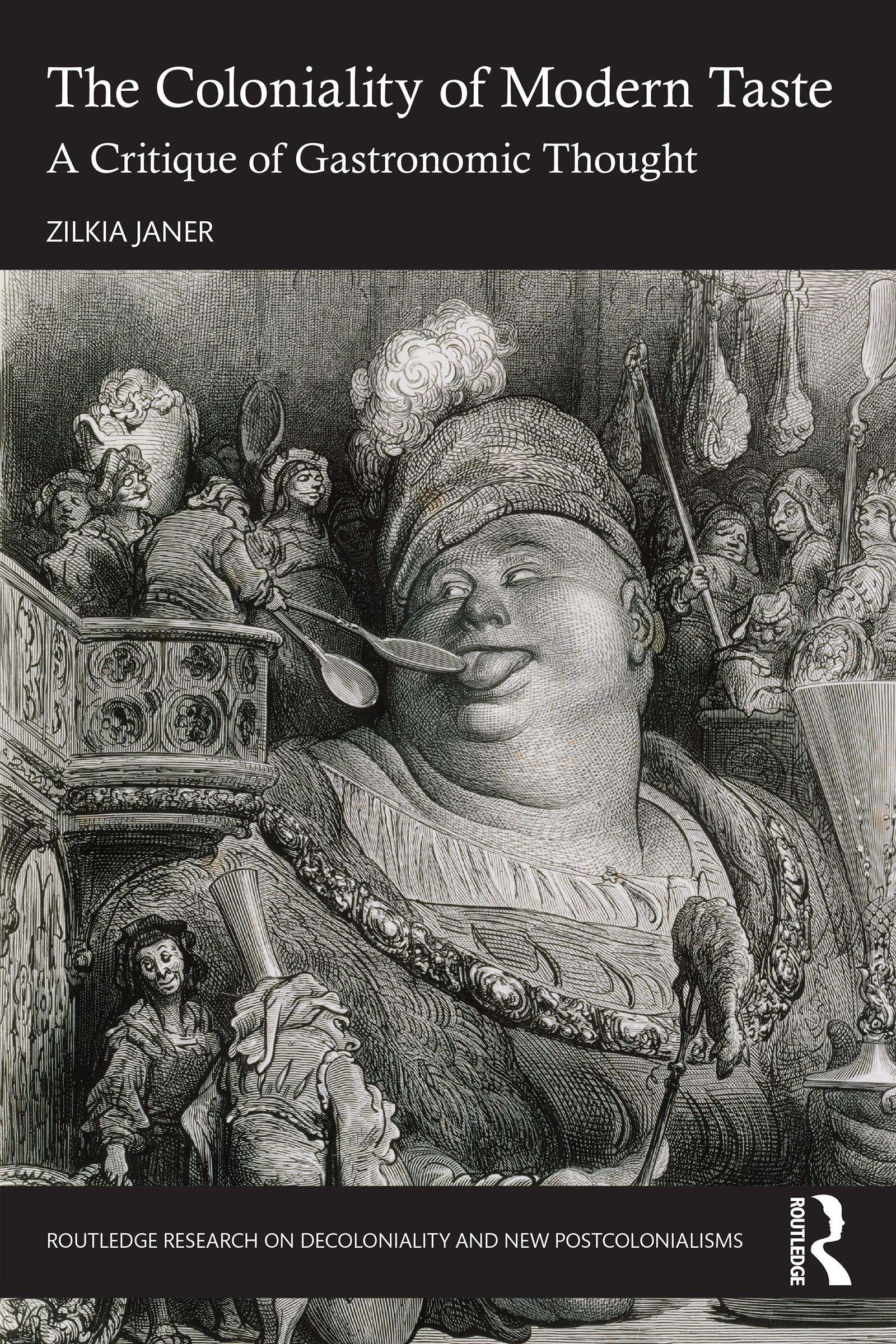
This book analyzes the coloniality of the concept of taste that gastronomy constructed and normalized as modern. It shows how gastronomy’s engagement with rationalist and aesthetic thought, and with colonial and capitalist structures, led to the desensualization, bureaucratization and racialization of its conceptualization of taste.
The Coloniality of Modern Taste provides an understanding of gastronomy that moves away from the usual celebratory approach. Through a discussion of nineteenth-century gastronomic publications, this book illustrates how the gastronomic notion of taste was shaped by a number of specifically modern constraints. It compares the gastronomic approach to taste to conceptualizations of taste that emerged in other geographical and philosophical contexts to illustrate that the gastronomic approach stands out as particularly bereft of affect. The book argues that the understanding of taste constructed by gastronomic texts continues to burden the affective experience of taste, while encouraging patterns of food consumption that rely on an exploitative and unsustainable global food system.
This book will appeal to students and scholars interested in cultural studies, decoloniality, affect theory, sensory studies, gastronomy and food studies.
Payez facilement par carte, Klarna, Apple Pay ou Google Pay. Pas satisfait ? Vous avez toujours une garantie de remboursement de 14 jours. En savoir plus dans nos conditions. Si vous avez des questions, envoyez-nous un e-mail à hello@memmo.org.
Memmo facilite tes études, où que tu sois dans le monde. On rassemble tes manuels de cours et des outils d'étude intelligents au même endroit : résumés, quiz, podcasts et flashcards. Et il y a Ted, ton compagnon d'étude qui répond à toutes tes questions. Plus de 50 000 étudiants étudient déjà ici – conçu pour t'aider à apprendre plus vite et à moins stresser.