
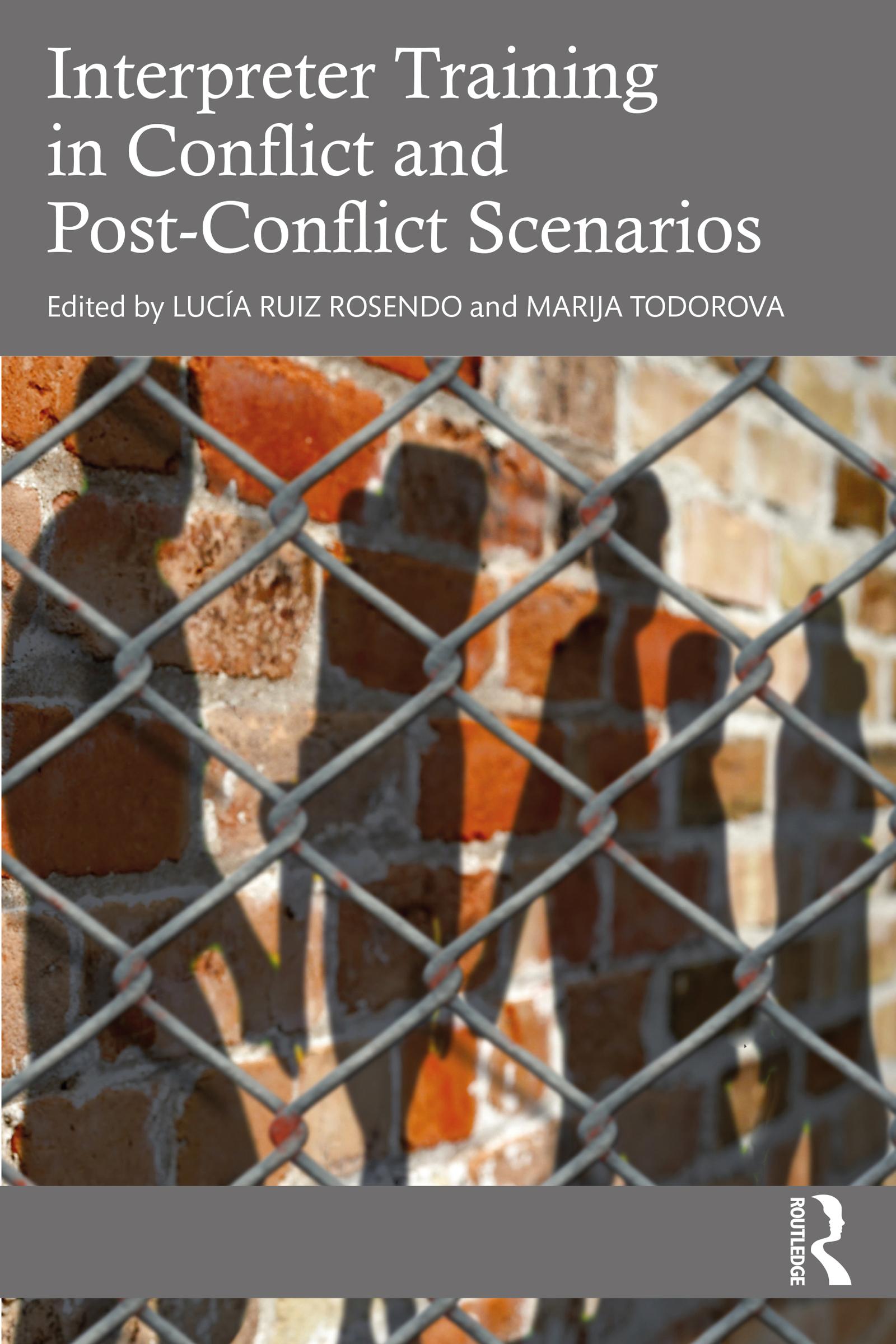
The role of interpreters in conflict situations is of increasing real world importance. There are ethical, cultural, and professional issues that have yet to be explored, and there is a need for specialised training that addresses the specific contexts in which interpreters perform their duties, considering the situated nature of interpreting in these contexts.
This volume is structured around interpreter training in different contexts of conflict and post-conflict, from military operations and international tribunals to asylum-seeking and refugee, humanitarian, and human rights missions. Themes covered include risk management and communication, ethics and professional demeanour, language technology and its use, intercultural mediation, training in specific contexts, such as conflict resolution and negotiation, and working with trauma. Chapters are authored by experts from around the world with a range of different profiles: military personnel, scholars, the staff of international organisations, and representatives from refugee and asylum-seeker-assisting institutions.
Interpreter Training in Conflict and Post-Conflict Scenarios is key reading both for students and scholars researching interpreting in conflict zones and conflict-related scenarios and for practising and trainee interpreters and mediators working for international organisations and the military.
Payez facilement par carte, Klarna, Apple Pay ou Google Pay. Pas satisfait ? Vous avez toujours une garantie de remboursement de 14 jours. En savoir plus dans nos conditions. Si vous avez des questions, envoyez-nous un e-mail à hello@memmo.org.
Memmo facilite tes études, où que tu sois dans le monde. On rassemble tes manuels de cours et des outils d'étude intelligents au même endroit : résumés, quiz, podcasts et flashcards. Et il y a Ted, ton compagnon d'étude qui répond à toutes tes questions. Plus de 50 000 étudiants étudient déjà ici – conçu pour t'aider à apprendre plus vite et à moins stresser.