
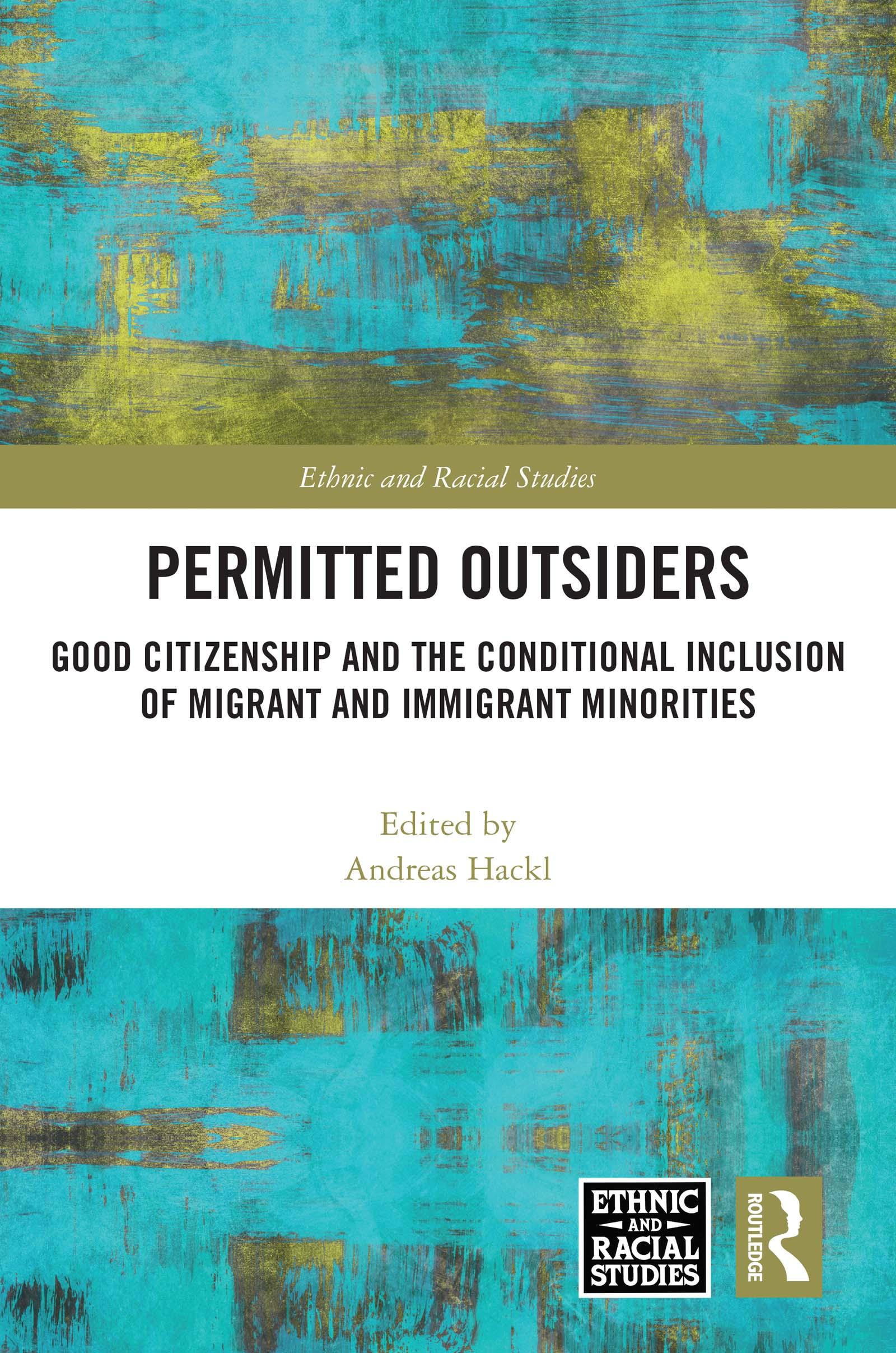
National majorities and their governments often demand that immigrants and other minorities must be “good”: they should work hard, contribute to society, and adapt to dominant cultural norms. Such stereotypical labels for national outsiders, ranging from “good immigrants” to “good Muslims” and “model minorities”, imply that their inclusion and recognition becomes conditional on fulfilling certain standards of behaviour and identity that are predetermined by the national majority. The affected minorities respond in diverse ways, at times striving to be recognised as “good” and at times rejecting these regimes of conditional inclusion and citizenship openly. This book offers ground-breaking insights on how these dynamics of conditional inclusion and “good” citizenship play out today, with a focus on migrant and immigrant-origin minorities in Europe and the Americas. This book shows that conditional inclusion is a globally widespread tool for controlling and rank-ordering minorities. As immigrants respond through diverse struggles for inclusion and recognition, these struggles reveal a hidden battleground of citizenship on which minorities negotiate who can be included and accepted in a given state or society. Their experience shows that conditionality is not an outlier of citizenship, but rather one of its universal core principles. This book was originally published as a special issue of Ethnic and Racial Studies.
Payez facilement par carte, Klarna, Apple Pay ou Google Pay. Pas satisfait ? Vous avez toujours une garantie de remboursement de 14 jours. En savoir plus dans nos conditions. Si vous avez des questions, envoyez-nous un e-mail à hello@memmo.org.
Memmo facilite tes études, où que tu sois dans le monde. On rassemble tes manuels de cours et des outils d'étude intelligents au même endroit : résumés, quiz, podcasts et flashcards. Et il y a Ted, ton compagnon d'étude qui répond à toutes tes questions. Plus de 50 000 étudiants étudient déjà ici – conçu pour t'aider à apprendre plus vite et à moins stresser.