
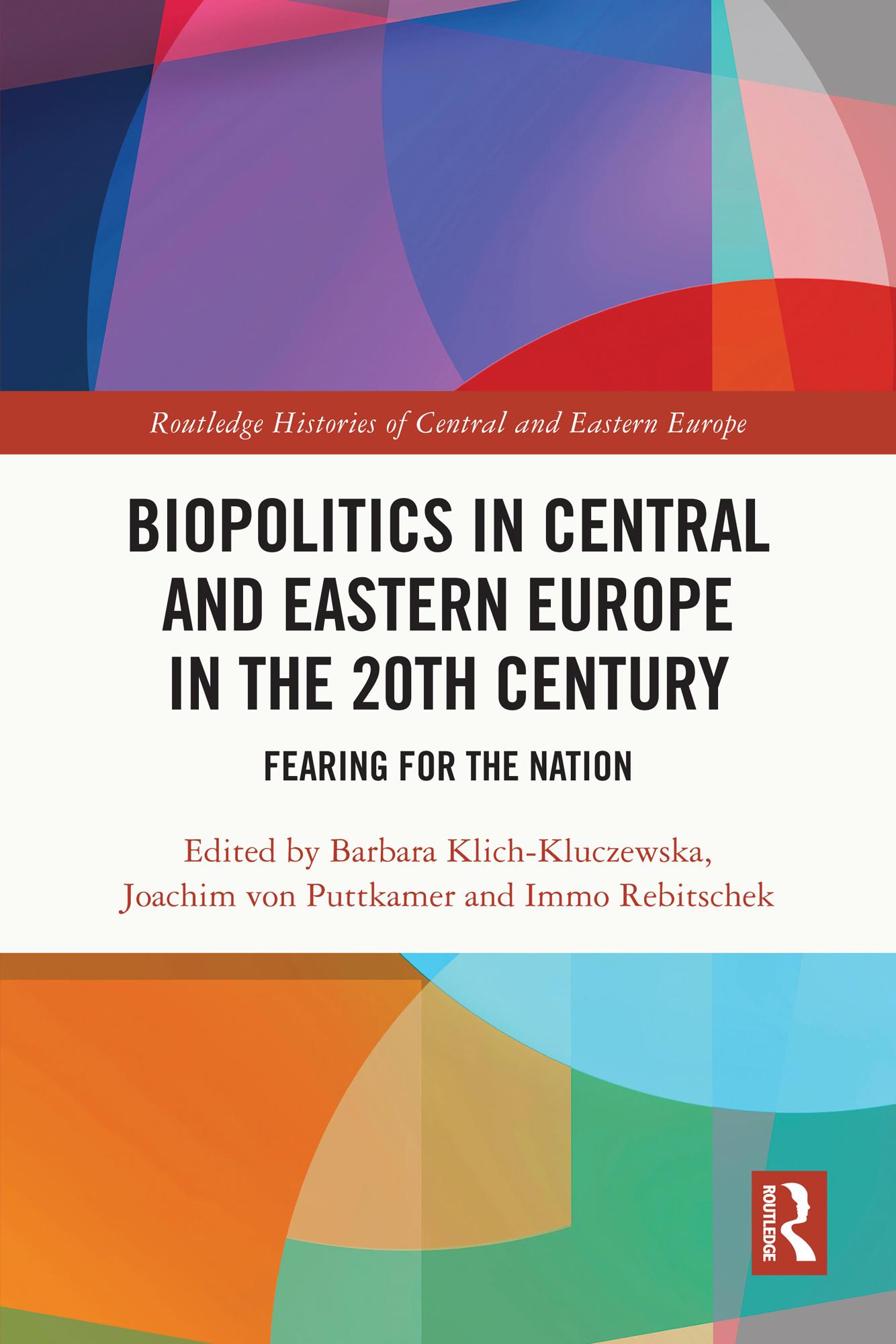
The field of biopolitics encompasses issues from health and hygiene, birth rates, fertility and sexuality, life expectancy and demography to eugenics and racial regimes. This book is the first to provide a comprehensive view on these issues for Central and Eastern Europe in the twentieth century.
The cataclysms of imperial collapse, World War(s) and the Holocaust but also the rise of state socialism after 1945 provided extraordinary and distinct conditions for the governing of life and death. The volume collects the latest research and empirical studies from the region to showcase the diversity of biopolitical regimes in their regional and global context – from hunger relief for Hungarian children after the First World War to abortion legislation in communist Poland. It underlines the similarities as well, demonstrating how biopolitical strategies in this area often revolved around the notion of an endangered nation; and how ideological schemes and post-imperial experiences in Eastern Europe further complicate a 'western' understanding of democratic participatory and authoritarian repressive biopolitics.
The new geographical focus invites scholars and students of social and human sciences to reconsider established perspectives on the history of population management and the history of Europe.
Payez facilement par carte, Klarna, Apple Pay ou Google Pay. Pas satisfait ? Vous avez toujours une garantie de remboursement de 14 jours. En savoir plus dans nos conditions. Si vous avez des questions, envoyez-nous un e-mail à hello@memmo.org.
Memmo facilite tes études, où que tu sois dans le monde. On rassemble tes manuels de cours et des outils d'étude intelligents au même endroit : résumés, quiz, podcasts et flashcards. Et il y a Ted, ton compagnon d'étude qui répond à toutes tes questions. Plus de 50 000 étudiants étudient déjà ici – conçu pour t'aider à apprendre plus vite et à moins stresser.