
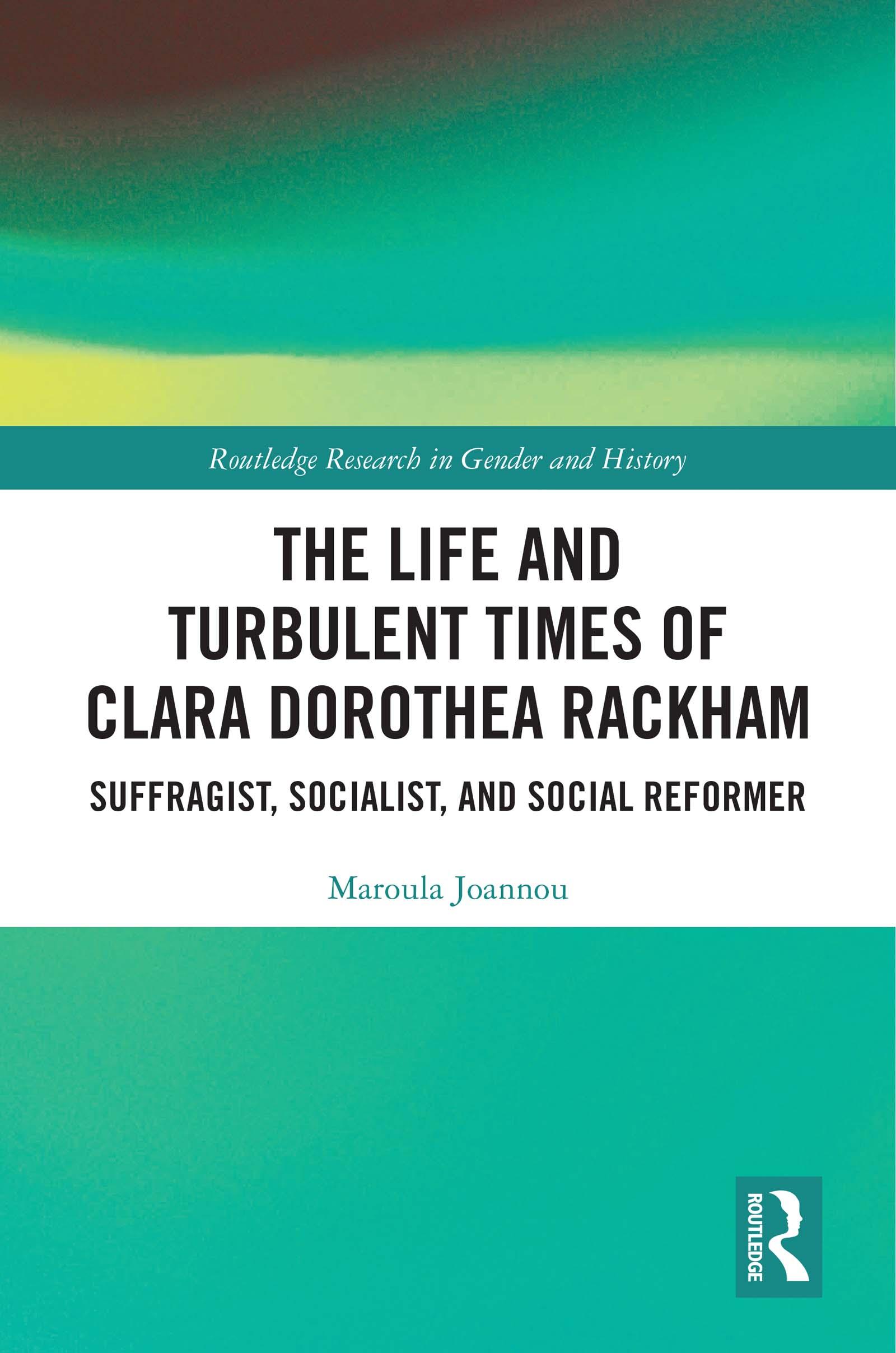
This is the first critical study of Clara Dorothea Rackham née Tabor (1875–1966), a towering figure in the suffrage, labour, co-operative, peace, and adult education movements but virtually forgotten today.
This clearly written and engaging study is based on unpublished primary sources including Rackham’s unpublished speeches, letters, diaries, and contemporary media coverage of her work in local and national archives. It reassesses this remarkable woman not only as a politician who changed the face of Cambridge, the university city in which she lived and worked, but also as a public intellectual whose feminist advocacy of a fair, just, and equal society helped pave the way to Britain’s postwar settlement and Welfare State. Rackham came to prominence as Chairman of the National Union of Women’s Suffrage Societies, as a government factory inspector, and championing the rights of unemployed women in the 1930s. An early broadcaster on BBC radio, and among the first women appointed magistrates and councillors, her name became synonymous with enlightened local government. The transformation of women’s lives in Victorian and twentieth-century Britain is crucial to understanding Rackham’s ideals, intellectual formation, and priorities as a Labour Party politician.
This book will be of interest to historians and students of gender, history, and women’s lives.
Payez facilement par carte, Klarna, Apple Pay ou Google Pay. Pas satisfait ? Vous avez toujours une garantie de remboursement de 14 jours. En savoir plus dans nos conditions. Si vous avez des questions, envoyez-nous un e-mail à hello@memmo.org.
Memmo facilite tes études, où que tu sois dans le monde. On rassemble tes manuels de cours et des outils d'étude intelligents au même endroit : résumés, quiz, podcasts et flashcards. Et il y a Ted, ton compagnon d'étude qui répond à toutes tes questions. Plus de 50 000 étudiants étudient déjà ici – conçu pour t'aider à apprendre plus vite et à moins stresser.