
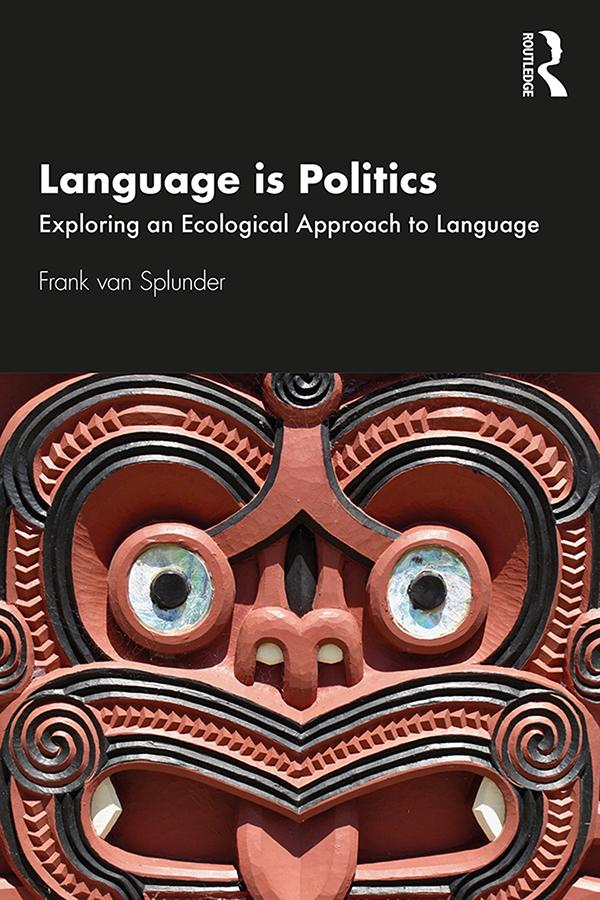
Language is Politics discusses power relations between languages in the world, with a particular focus on English. Even though English is the most widely spoken and the most powerful language worldwide, it is not the lingua franca it is often supposed to be. The basic tenet of this book is that languages do not exist in the natural world; they are artefacts made by humans.
The book debunks some common myths about language and it suggests that we should be more modest in our assumptions, for instance concerning the linguistic uniqueness of our own species. The author argues in favour of an ecological or balanced approach to language. This approach sees humans and other animals as part of the larger ecosystems that life depends on. As in nature, diversity is crucial to the survival of languages. The current linguistic ecosystem is out of balance, and this book shows that education can help to restore the balance and cope with the challenges of a multilingual and multicultural world.
With an ecological approach to language and a focus on narratives and personal language histories, this will be key reading for researchers and academics, as well as students of English language and linguistics.
Payez facilement par carte, Klarna, Apple Pay ou Google Pay. Pas satisfait ? Vous avez toujours une garantie de remboursement de 14 jours. En savoir plus dans nos conditions. Si vous avez des questions, envoyez-nous un e-mail à hello@memmo.org.
Memmo facilite tes études, où que tu sois dans le monde. On rassemble tes manuels de cours et des outils d'étude intelligents au même endroit : résumés, quiz, podcasts et flashcards. Et il y a Ted, ton compagnon d'étude qui répond à toutes tes questions. Plus de 50 000 étudiants étudient déjà ici – conçu pour t'aider à apprendre plus vite et à moins stresser.