
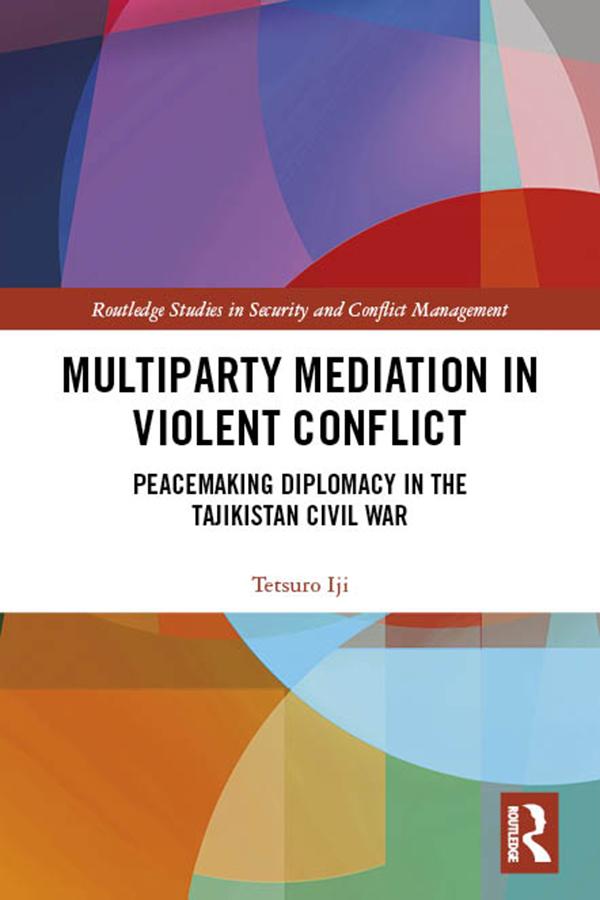
This book presents a conceptual and empirical analysis of the UN-led multiparty mediation in the Tajikistan conflict.
Multiparty mediation has been a significant research topic of international conflict management since the 1990s, but in-depth case studies on the peacemaking dynamics of violent conflicts are rare, particularly in regard to third-party roles. This volume addresses that gap in the literature by examining the multiparty mediation of the Tajikistan conflict, a largely forgotten but notably successful case of UN-orchestrated peacemaking in the post-Cold War era. It argues that several interrelated factors contributed to the "success" of the Tajik multiparty mediation: Russia, Iran, and other major interveners shared a common interest, and reached a broad consensus on the terms of settlement; the UN was widely accepted as a lead coordinator by other mediators, and succeeded in constructively engaging with them; as a consequence, there arose positive interconnections between different third-party roles. The book presents an analytical framework for understanding the complex interplay of these factors, not only to evaluate the Tajik case but also to help clarify policy implications for multiparty mediation in other cases of violent conflict, particularly civil wars.
This book will be of much interest to students of conflict resolution, civil wars, international mediation, the UN, Central Asian politics, and International Relations.
Payez facilement par carte, Klarna, Apple Pay ou Google Pay. Pas satisfait ? Vous avez toujours une garantie de remboursement de 14 jours. En savoir plus dans nos conditions. Si vous avez des questions, envoyez-nous un e-mail à hello@memmo.org.
Memmo facilite tes études, où que tu sois dans le monde. On rassemble tes manuels de cours et des outils d'étude intelligents au même endroit : résumés, quiz, podcasts et flashcards. Et il y a Ted, ton compagnon d'étude qui répond à toutes tes questions. Plus de 50 000 étudiants étudient déjà ici – conçu pour t'aider à apprendre plus vite et à moins stresser.