
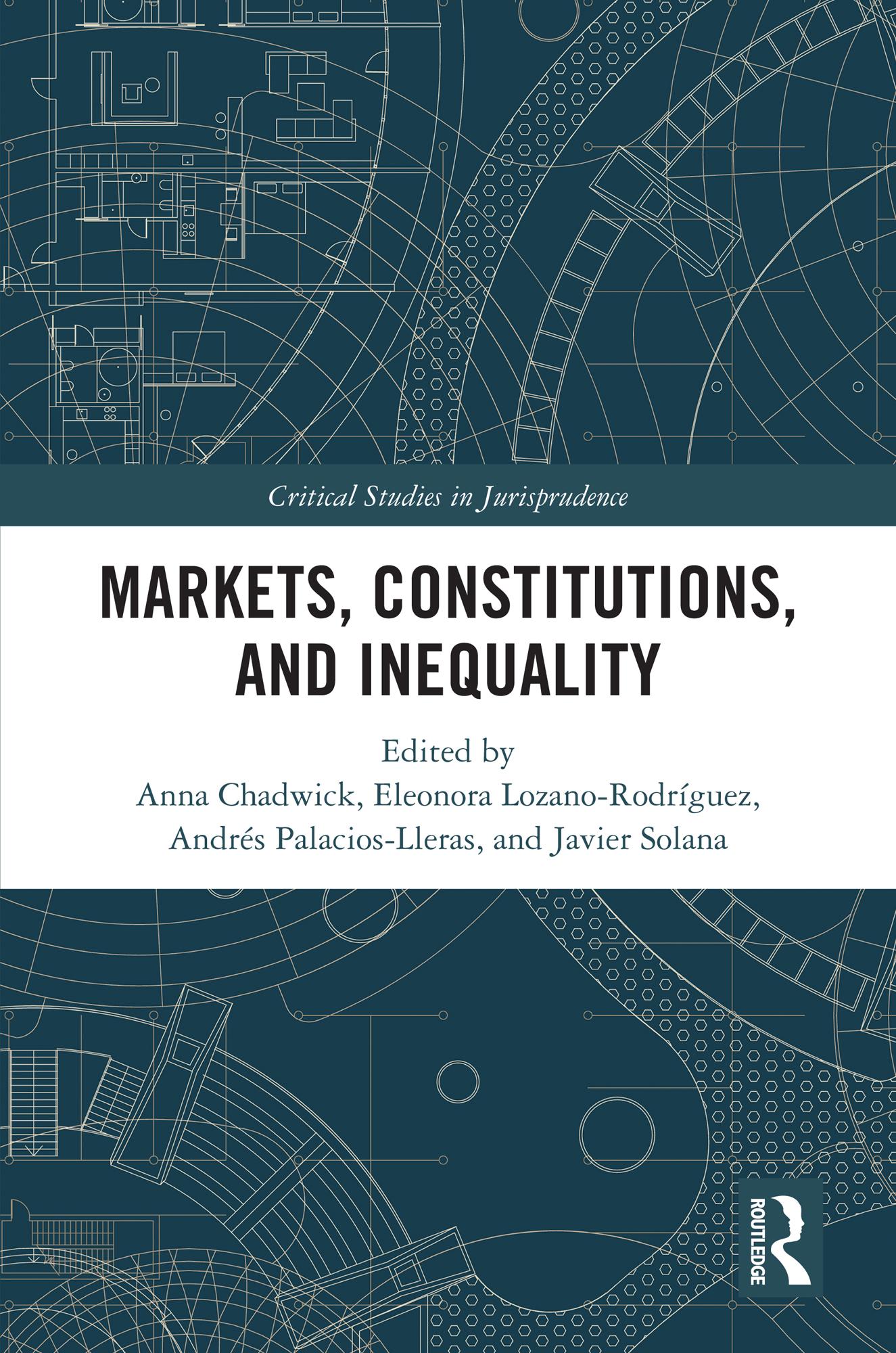
This interdisciplinary collection examines the significance of constitutions in setting the terms and conditions upon which market economies operate.
With some important exceptions, most notably from the tradition of Latin American constitutionalism, scholarship on constitutional law has paid negligible attention to questions of how constitutions relate to economic phenomena. A considerable body of literature has debated the due limits of the exercise of executive and legislative power, and discussions about legitimacy, democracy, and the adjudication of rights (civil and political, and socioeconomic) abound, yet scant attention has been paid by constitutional lawyers to the ways in which constitutions may protect and empower economic actors, and to how constitutions might influence the regulation and governance of specific markets. The contributors to this collection mobilize insights from other disciplines – including economic theory, history, and sociology – and consider the relationship between constitutional frameworks and bodies of law – including property law, criminal law, tax law, financial regulation, and human rights law – to advance understanding of how constitutions relate to markets and to the political economy.
This book’s analysis of the role constitutions play in shaping markets will appeal to scholars and students in law, economics, history, politics, and sociology.
Payez facilement par carte, Klarna, Apple Pay ou Google Pay. Pas satisfait ? Vous avez toujours une garantie de remboursement de 14 jours. En savoir plus dans nos conditions. Si vous avez des questions, envoyez-nous un e-mail à hello@memmo.org.
Memmo facilite tes études, où que tu sois dans le monde. On rassemble tes manuels de cours et des outils d'étude intelligents au même endroit : résumés, quiz, podcasts et flashcards. Et il y a Ted, ton compagnon d'étude qui répond à toutes tes questions. Plus de 50 000 étudiants étudient déjà ici – conçu pour t'aider à apprendre plus vite et à moins stresser.