
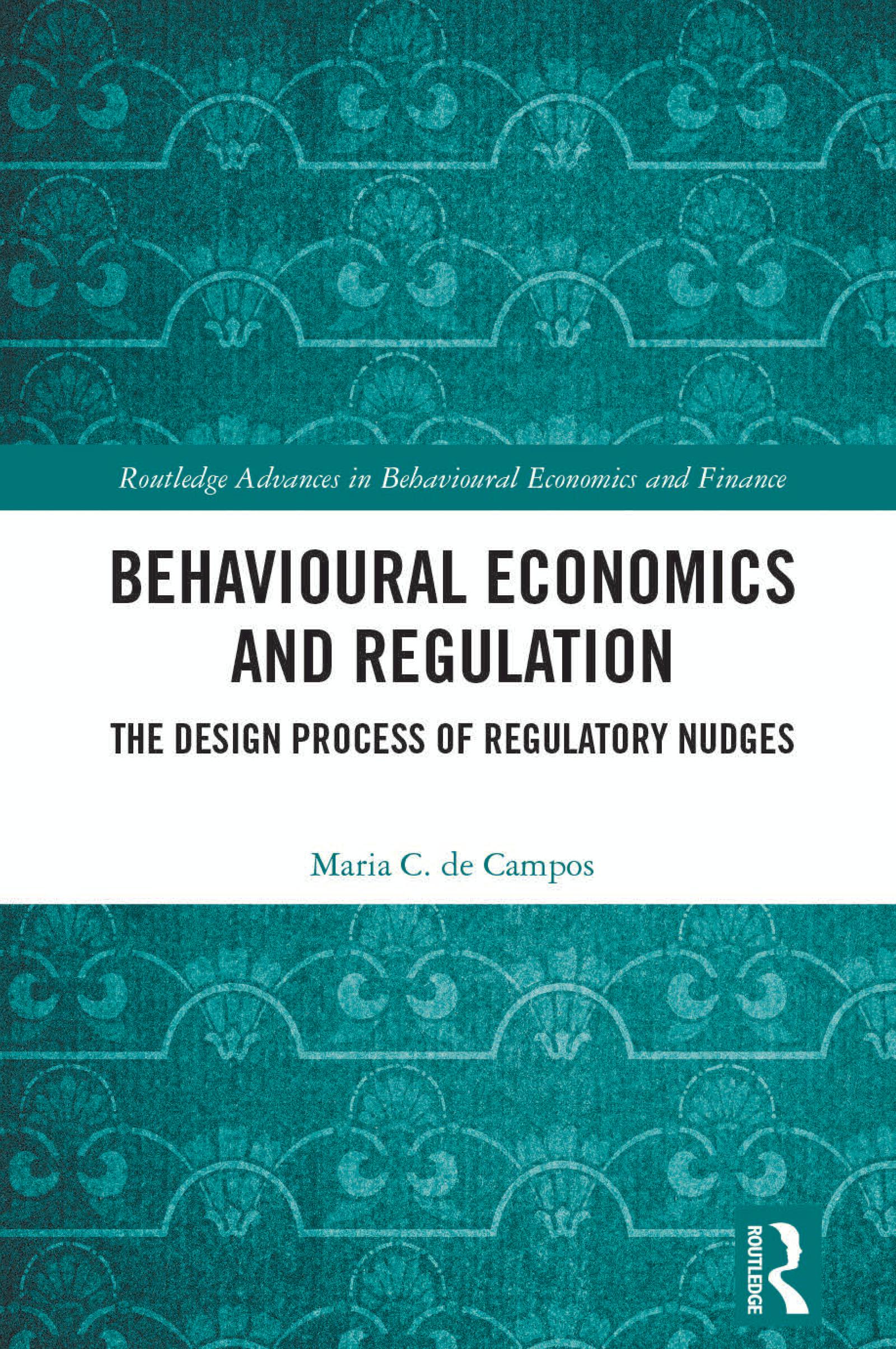
In recent years, the idea of "nudges" – small changes in individual choice architecture that do not involve incentives or coercion – has entered policy discourse and practice to address various problems ranging from energy usage to retirement savings. However, how nudges can be incorporated into regulatory practice, and whether the experimental methodologies used to design nudges are still appropriate when they are being used as a regulatory instrument is still an unexplored issue. As this book shows, the translation of ideas into the world of regulation is not so simple and straightforward.
By analysing the different experimental alternatives that regulators can use when designing nudges and through a close analysis of a real-world example – the case of the European Union tobacco warnings – this book proposes an alternative design process more in tune with the reality of regulation. The book explores the implications of iterative experimental methodologies and processes for regulators, concluding with a call for an alternative nudging’s design process tailored to the regulatory space.
This book is crucial for researchers and policy-makers interested in the incorporation of nudging into regulation and anyone interested in the implications of behavioural economics – and evidence more generally – for regulatory design.
Payez facilement par carte, Klarna, Apple Pay ou Google Pay. Pas satisfait ? Vous avez toujours une garantie de remboursement de 14 jours. En savoir plus dans nos conditions. Si vous avez des questions, envoyez-nous un e-mail à hello@memmo.org.
Memmo facilite tes études, où que tu sois dans le monde. On rassemble tes manuels de cours et des outils d'étude intelligents au même endroit : résumés, quiz, podcasts et flashcards. Et il y a Ted, ton compagnon d'étude qui répond à toutes tes questions. Plus de 50 000 étudiants étudient déjà ici – conçu pour t'aider à apprendre plus vite et à moins stresser.