
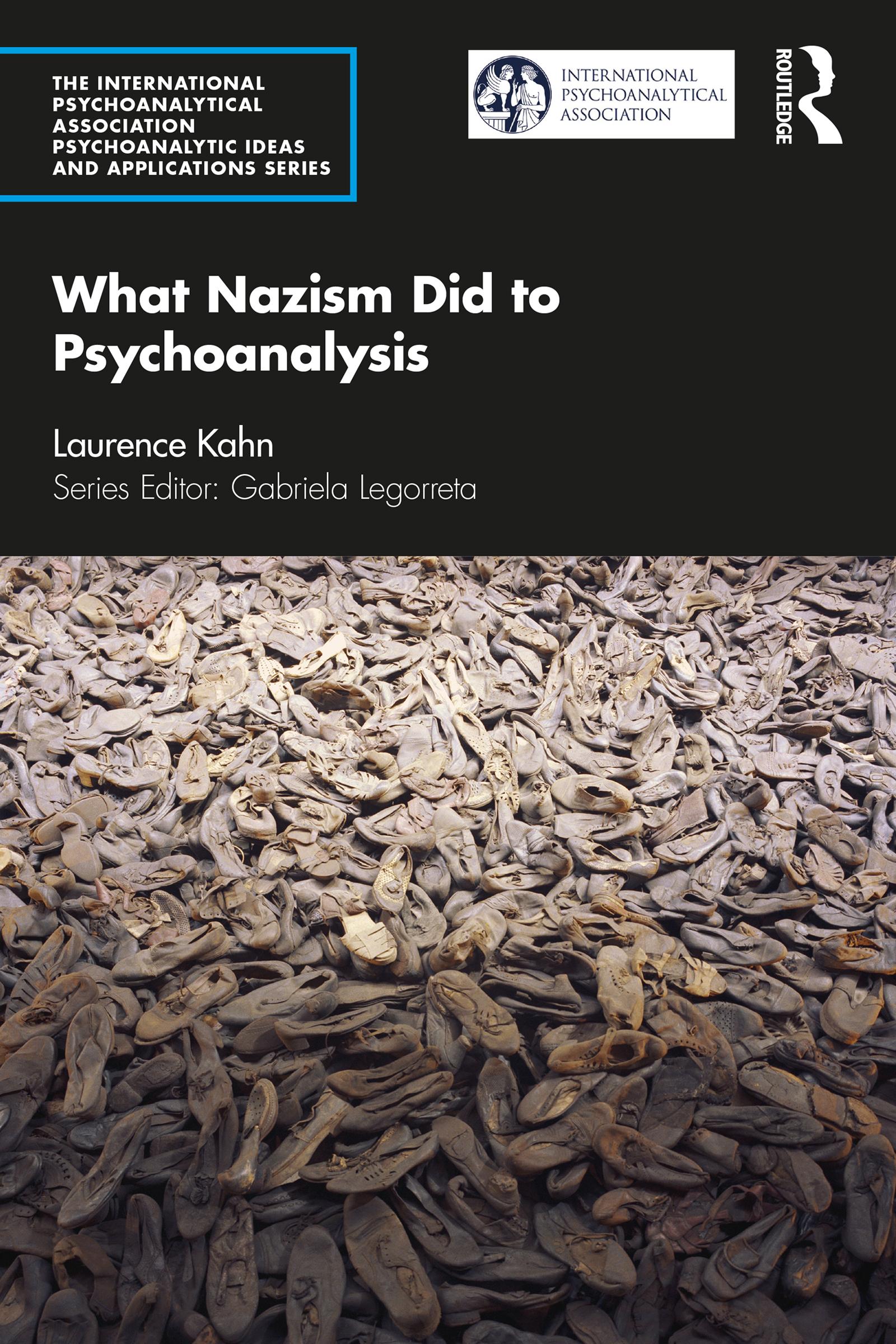
What Nazism Did to Psychoanalysis explores the impact Nazism had on the evolution of psychoanalysis and tackles the enigma of the transformation of individual hate into mass psychosis and of the autocratic creation of a neo-reality.
Addressing the effects of the Holocaust on the psychoanalytic world, this book does not focus on the suffering of the survivors but the analysis of the concrete mechanisms of destruction that affected language and thought, their impact on the practice of psychoanalysis and the defences that psychoanalysts tried to find against the linguistic, legal and symbolic chaos that struck the foundations of reality. Laurence Kahn discusses the struggle against the appropriation, by the Nazi language, of key terms such as demonic nature, drives, ideals and, above all, the Selbsterhaltungstrieb (the self-preservation drive), which became, with Hitler, the axis of the living space policy, the "Lebensraum".
Covering key topics such as trauma, transgenerational issues, silence and secrecy and the depredation of culture, this is an essential work for psychoanalysts and anyone wishing to understand how strongly the development of psychoanalysis was affected by Nazism.
Payez facilement par carte, Klarna, Apple Pay ou Google Pay. Pas satisfait ? Vous avez toujours une garantie de remboursement de 14 jours. En savoir plus dans nos conditions. Si vous avez des questions, envoyez-nous un e-mail à hello@memmo.org.
Memmo facilite tes études, où que tu sois dans le monde. On rassemble tes manuels de cours et des outils d'étude intelligents au même endroit : résumés, quiz, podcasts et flashcards. Et il y a Ted, ton compagnon d'étude qui répond à toutes tes questions. Plus de 50 000 étudiants étudient déjà ici – conçu pour t'aider à apprendre plus vite et à moins stresser.