
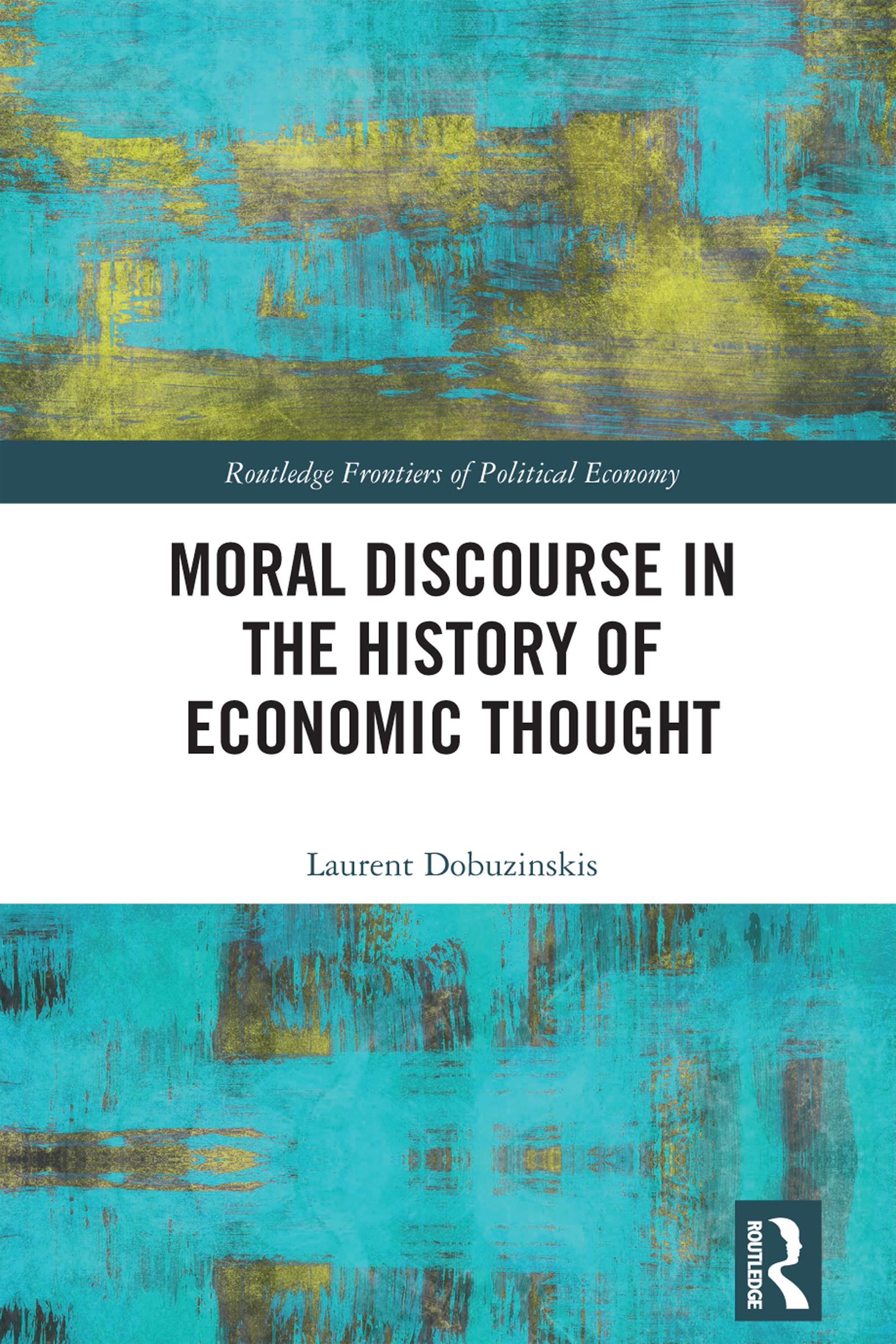
Providing an account of the development of economic thought, this book explores the extent to which economic ideas are rooted in moral values.
Adopting an approach rooted in ‘pragmatism’, the work explores key questions which have been considered by economists since the classical political economists. These include: what degree of priority ought to be granted to property rights among all individual liberties; whether uncertainties in economic life justify investing political authorities with the power to stabilize business cycles; whether it is better to trust entrepreneurial initiatives to resolve societal dilemmas or to centralize policy-making in the hands of a benevolent government. The chapters argue that economic thought has evolved from an emphasis on "sympathy" (as defined by Adam Smith) and that there has more recently been a rediscovery of the significance of sympathy reinvented as "fair reciprocity" in the wake of the emergence of behavioural economics and its connection to evolutionary psychology.
This key book is of great interest to readers in the history of ideas, political and moral philosophy, and political economy.
Payez facilement par carte, Klarna, Apple Pay ou Google Pay. Pas satisfait ? Vous avez toujours une garantie de remboursement de 14 jours. En savoir plus dans nos conditions. Si vous avez des questions, envoyez-nous un e-mail à hello@memmo.org.
Memmo facilite tes études, où que tu sois dans le monde. On rassemble tes manuels de cours et des outils d'étude intelligents au même endroit : résumés, quiz, podcasts et flashcards. Et il y a Ted, ton compagnon d'étude qui répond à toutes tes questions. Plus de 50 000 étudiants étudient déjà ici – conçu pour t'aider à apprendre plus vite et à moins stresser.