
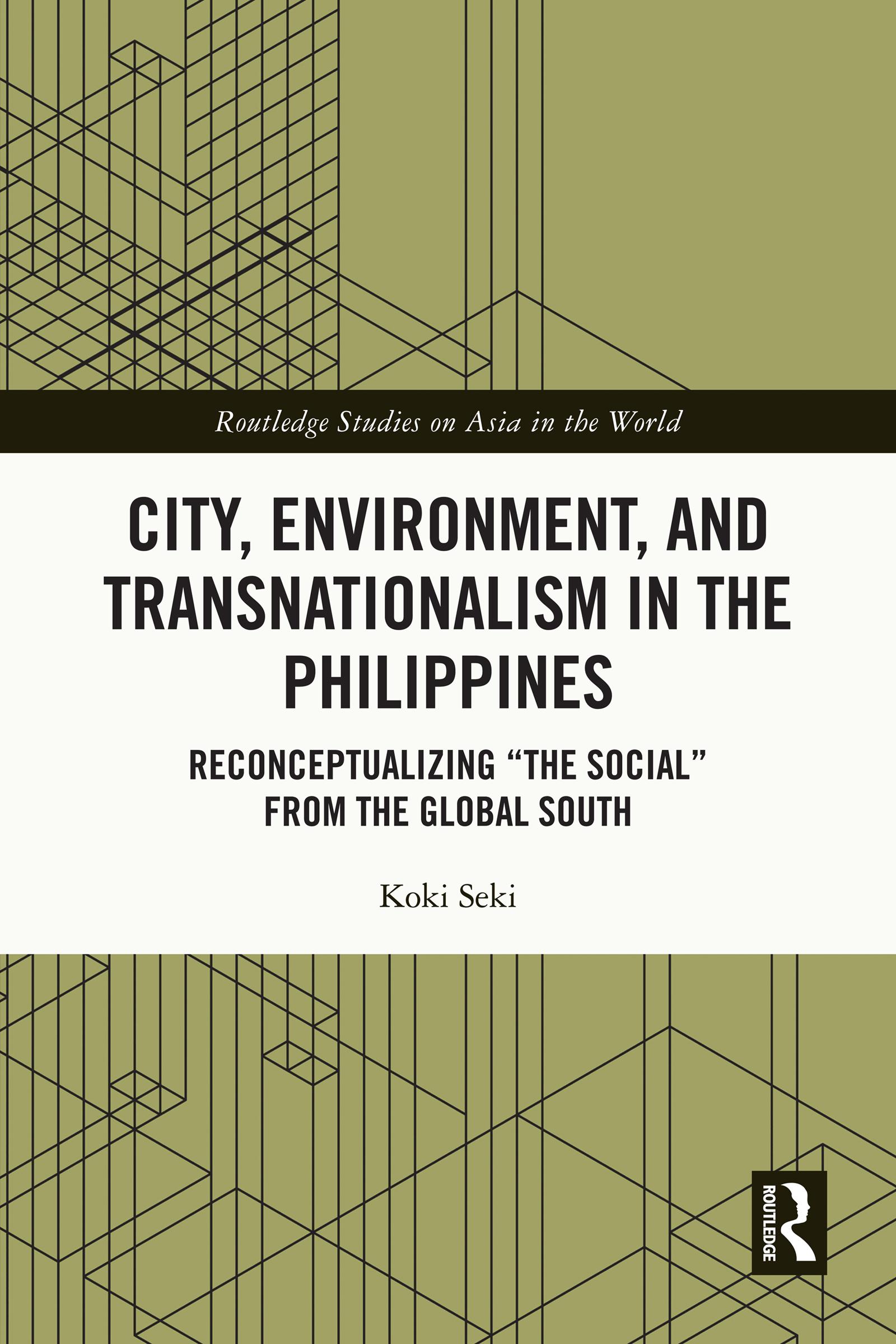
Seki presents an ethnography of uncertainty and precarity experienced by people in urban, rural, and transnational, communities in the Philippines as a case study of social protection without the possibility of a robust welfare state.
He deals with topics including urban poverty, environmental degradation, and transnational migration. Throughout these chapters, Seki elaborates on the modes of security and protection that people living at the margins of global capitalism create through mobilizing their sociality and networks. He traces the emerging configuration of "the social," a collectivity and connectedness that ensures a sense of security in life among people. The social can be defined as an idea or institution, which had enabled formal and impersonal solidarity such as that which provided the underpinnings of the modern welfare states of the West during the mid-20th century. In the twenty-first century the social in this context is experiencing a fundamental reconfiguration as it faces deepening insecurity, risk, and the precariousness of the post-Welfare State or post-Fordist regime. What are the contours of the social emerging in an "unlikely place" of the Philippines amid contemporary insecurity and precariousness?
A vital resource for scholars of the Philippines, and of anthropology and social policy in the Global South more widely.
Payez facilement par carte, Klarna, Apple Pay ou Google Pay. Pas satisfait ? Vous avez toujours une garantie de remboursement de 14 jours. En savoir plus dans nos conditions. Si vous avez des questions, envoyez-nous un e-mail à hello@memmo.org.
Memmo facilite tes études, où que tu sois dans le monde. On rassemble tes manuels de cours et des outils d'étude intelligents au même endroit : résumés, quiz, podcasts et flashcards. Et il y a Ted, ton compagnon d'étude qui répond à toutes tes questions. Plus de 50 000 étudiants étudient déjà ici – conçu pour t'aider à apprendre plus vite et à moins stresser.