
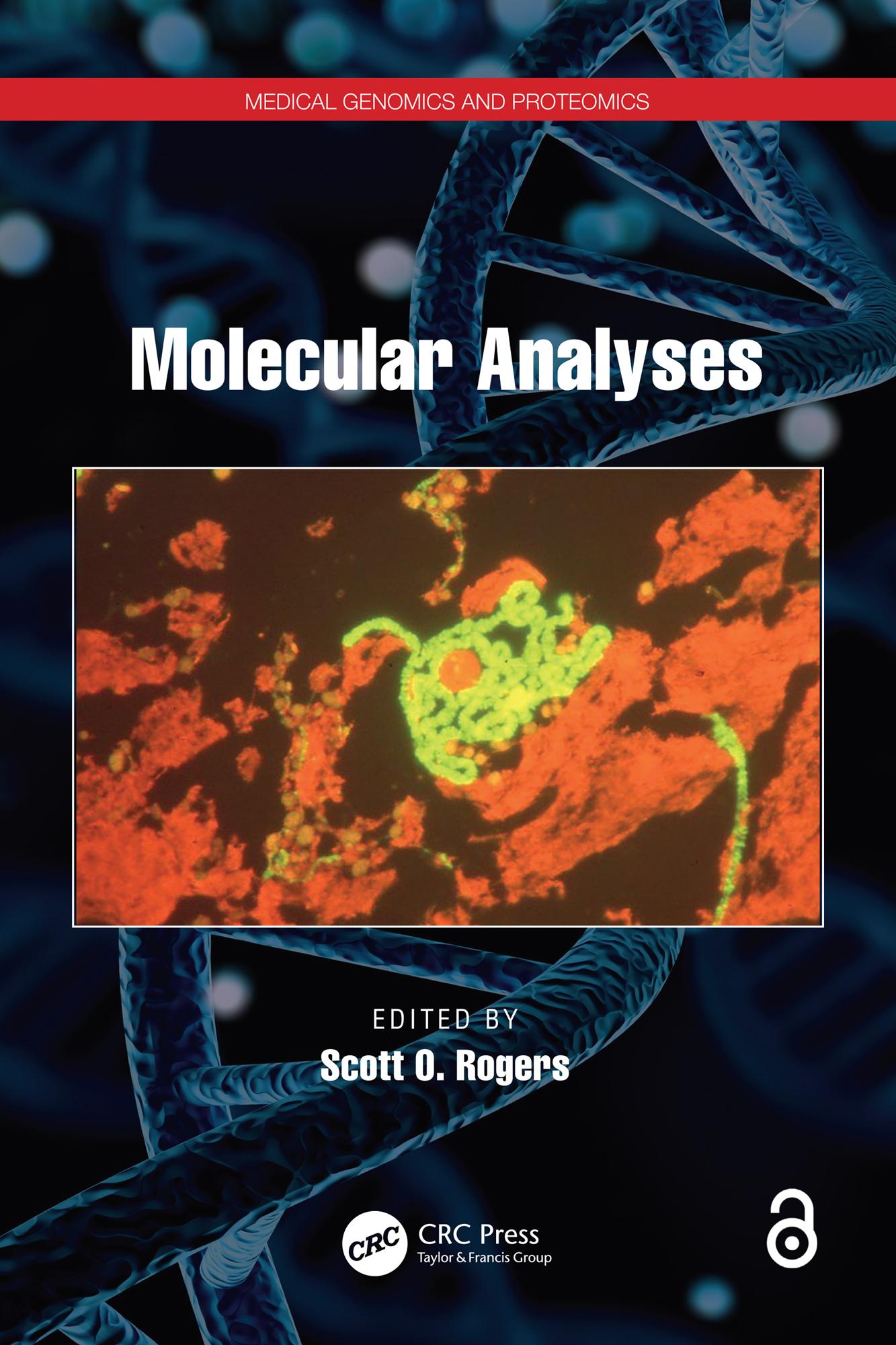
DNA and RNA extraction methods from a variety of tissues and samples are now routine, including extraction from single cells. Many methods are now automated. Sequencing efficiency has reached the point where it is now possible to obtain gigabases of data, both quickly and inexpensively. Such methods permit the identification of gene versions, including those associated with disease (e.g. small nucleotide polymorphism analyses, or SNPs). The general public as well as clinicians can now access a wide variety of literature on the molecular bases of diseases, allowing them to better assess disease risks and treatments. This volume concentrates on medically-focused methods, and therefore the major audience will be medical professionals, students, and those involved in medically-related research endeavors. There are also papers in this volume dealing specifically with methods developed to analyze large sequence data sets. Many methods reviewed herein are more broadly applicable to other fields in biology, chemistry, bioinformatics, and bioengineering, and are intended for a broad readership.
Key Features
- Summarizes nucleic acid extractions from a wide variety of tissues and cells
- Describes processes of nucleic acid preservation
- Reviews forensic sampling, detection of nucleic acids, and delivery of nucleic acids to multicellular organisms
- Provides essential guidance for sequencing, sequence analysis, database searches, and phylogenetic analyses
- Includes additional methods useful for analysis of nucleic acids and proteins
Related Titles
DeSalle, et al. Phylogenomics: A Primer (ISBN 978-0-3670-2849-7).
Jennings, W. B. Phylogenomic Data Acquisition: Principles and Practice (ISBN 978-0-3678-6980-9).
Wang, X. Next-Generation Sequencing Data Analysis (ISBN 978-1-4822-1788-9)
Sung, W.-K. Algorithms for Next-Generation Sequencing (ISBN 978-0-3676-5797-0)
Payez facilement par carte, Klarna, Apple Pay ou Google Pay. Pas satisfait ? Vous avez toujours une garantie de remboursement de 14 jours. En savoir plus dans nos conditions. Si vous avez des questions, envoyez-nous un e-mail à hello@memmo.org.
Memmo facilite tes études, où que tu sois dans le monde. On rassemble tes manuels de cours et des outils d'étude intelligents au même endroit : résumés, quiz, podcasts et flashcards. Et il y a Ted, ton compagnon d'étude qui répond à toutes tes questions. Plus de 50 000 étudiants étudient déjà ici – conçu pour t'aider à apprendre plus vite et à moins stresser.