
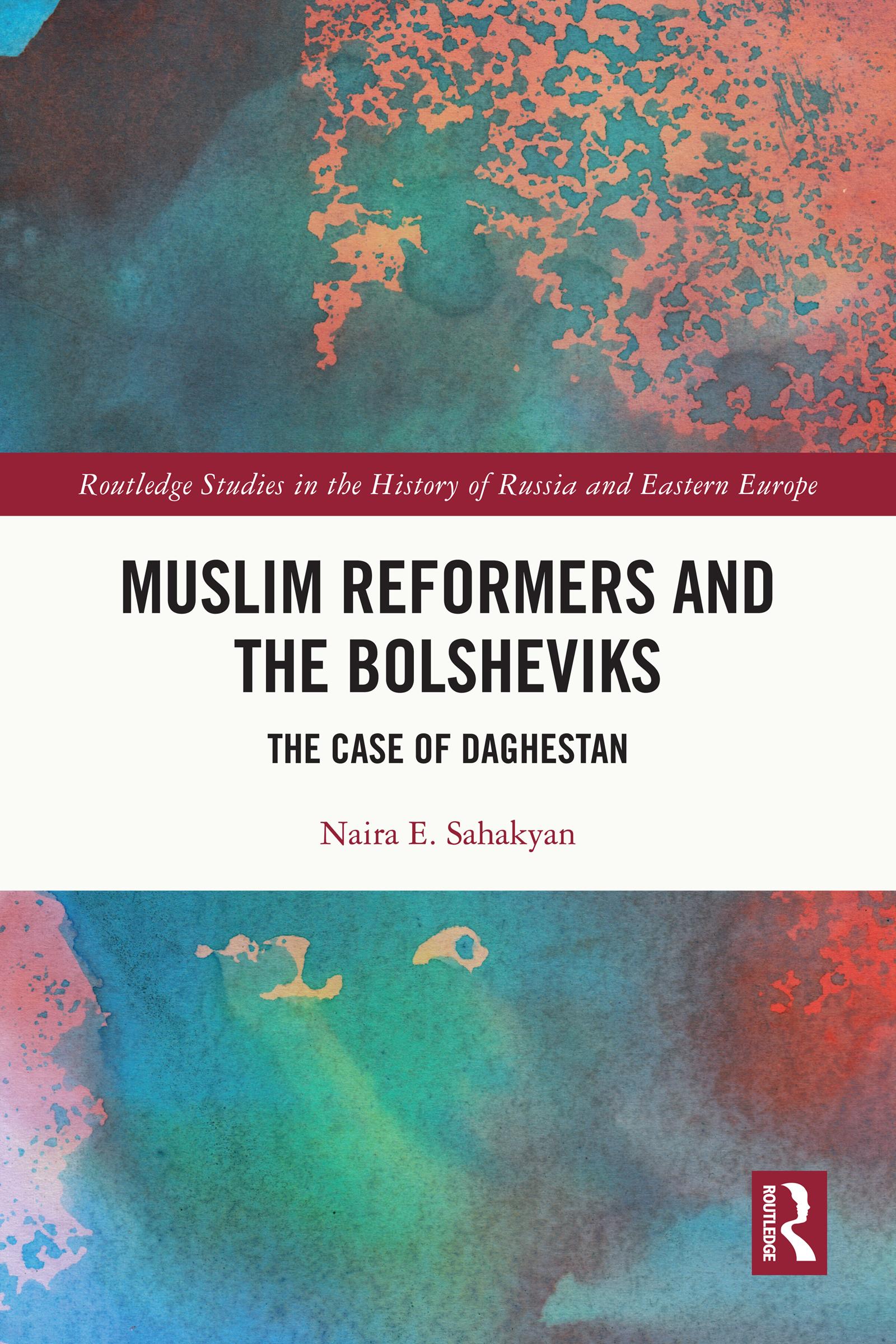
This book explores how the Muslim scholars of Daghestan, an important Muslim region within Russia, experienced the 1917 Russian Revolution and how they attempted to gain religious and political authority in the new post-imperial environment. Covering the period between the February Revolution and the first massive repressions of the scholars of Islam, it provides new insights into the complexities of the relations between Muslim reformers and Bolsheviks. It challenges the prevailing view in Western scholarship that the relationship was antagonistic, revealing that relations were pragmatic rather than ideological. It argues that there was cooperation on issues of modern education and language policy, and alliances against assumed common threats, such as the British, Wahhābis and local Ṣūfīs, along with disagreements related to the Bolsheviks’ atheism and their concept of class struggle. Overall, it demonstrates that the Islamic reformist discourse in Daghestan, although influenced by the wider Islamic debate at the turn of the twentieth century, was an integral part of Soviet modernity.
Payez facilement par carte, Klarna, Apple Pay ou Google Pay. Pas satisfait ? Vous avez toujours une garantie de remboursement de 14 jours. En savoir plus dans nos conditions. Si vous avez des questions, envoyez-nous un e-mail à hello@memmo.org.
Memmo facilite tes études, où que tu sois dans le monde. On rassemble tes manuels de cours et des outils d'étude intelligents au même endroit : résumés, quiz, podcasts et flashcards. Et il y a Ted, ton compagnon d'étude qui répond à toutes tes questions. Plus de 50 000 étudiants étudient déjà ici – conçu pour t'aider à apprendre plus vite et à moins stresser.