
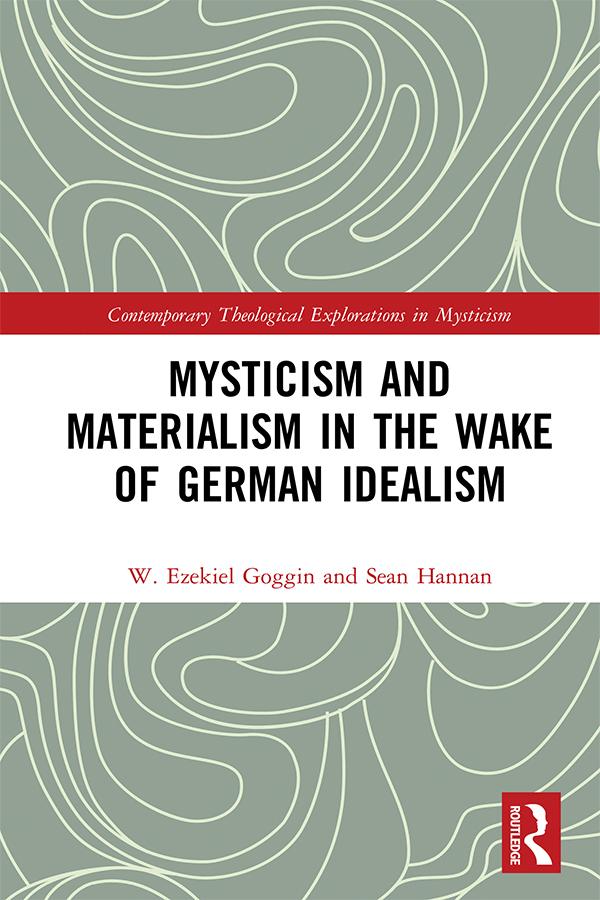
This book argues that the rediscovery of mystical theology in nineteenth-century Germany not only helped inspire idealism and romanticism, but also planted the seeds of their overcoming by way of critical materialism. Thanks in part to the Neoplatonic turn in the works of J. G. Fichte, as well as the enthusiasm of mining engineer Franz X. von Baader, mystical themes gained a critical currency, and mystical texts returned to circulation. This reawakening of the mystical tradition influenced romantic and idealist thinkers such as Novalis and Hegel, and also shaped later critical interventions by Marx, Benjamin, and Bataille. Rather than rehearsing well-known connections to Swedenborg or Böhme, this study goes back further to the works of Meister Eckhart, Nicholas of Cusa, Catherine of Siena, and Angela of Foligno. The book offers a new perspective on the reception of mystical self-interrogation in nineteenth-century German thought and will appeal to scholars of philosophy, history, theology, and religious studies.
Payez facilement par carte, Klarna, Apple Pay ou Google Pay. Pas satisfait ? Vous avez toujours une garantie de remboursement de 14 jours. En savoir plus dans nos conditions. Si vous avez des questions, envoyez-nous un e-mail à hello@memmo.org.
Memmo facilite tes études, où que tu sois dans le monde. On rassemble tes manuels de cours et des outils d'étude intelligents au même endroit : résumés, quiz, podcasts et flashcards. Et il y a Ted, ton compagnon d'étude qui répond à toutes tes questions. Plus de 50 000 étudiants étudient déjà ici – conçu pour t'aider à apprendre plus vite et à moins stresser.