
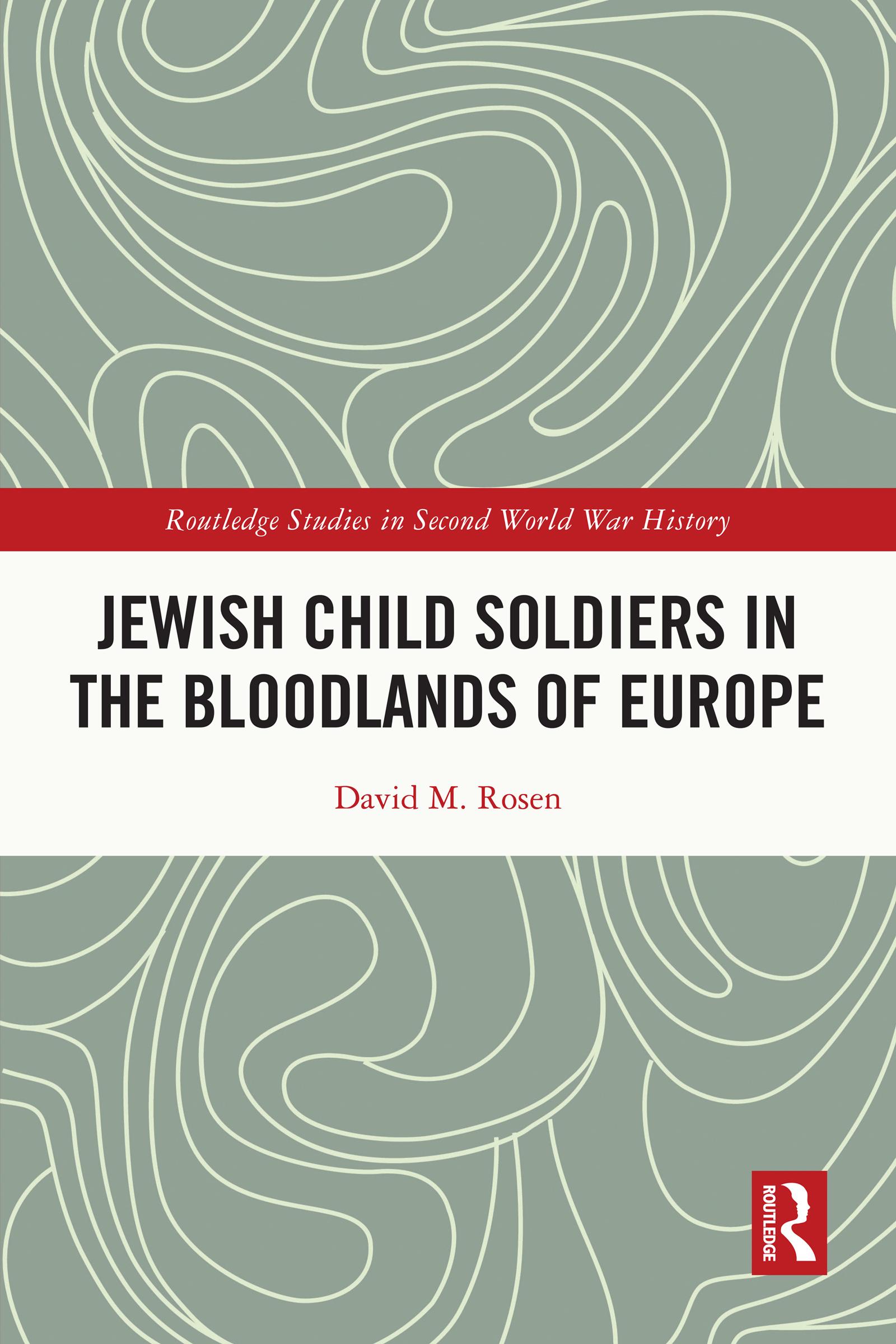
This book is about the experiences of Jewish children who were members of armed partisan groups in Eastern Europe during World War II and the Holocaust. It describes and analyze the role of children as activists, agents, and decision makers in a situation of extraordinary danger and stress. The children in this book were hunted like prey and ran for their lives. They survived by fleeing into the forest and swamps of Eastern Europe and joining anti-German partisan groups. The vast majority of these children were teenagers between ages 11 and 18, although some were younger. They were, by any definition, child soldiers, and that is the reason they lived to tell their tales. The book will be of interest to general and academic audiences. There is also great interest in children and childhood across disciplines of history and the social sciences. It is likely to spark considerable debate and interest, since its argument runs counter to the generally accepted wisdom that child soldiers must first and foremost be seen as victims of their recruiters. The argument of this book is that time, place, and context play a key role in our understanding of children’s involvement in war and that in some contexts children under arms must be seen as exercising an inherent right of self-defense.
Payez facilement par carte, Klarna, Apple Pay ou Google Pay. Pas satisfait ? Vous avez toujours une garantie de remboursement de 14 jours. En savoir plus dans nos conditions. Si vous avez des questions, envoyez-nous un e-mail à hello@memmo.org.
Memmo facilite tes études, où que tu sois dans le monde. On rassemble tes manuels de cours et des outils d'étude intelligents au même endroit : résumés, quiz, podcasts et flashcards. Et il y a Ted, ton compagnon d'étude qui répond à toutes tes questions. Plus de 50 000 étudiants étudient déjà ici – conçu pour t'aider à apprendre plus vite et à moins stresser.