
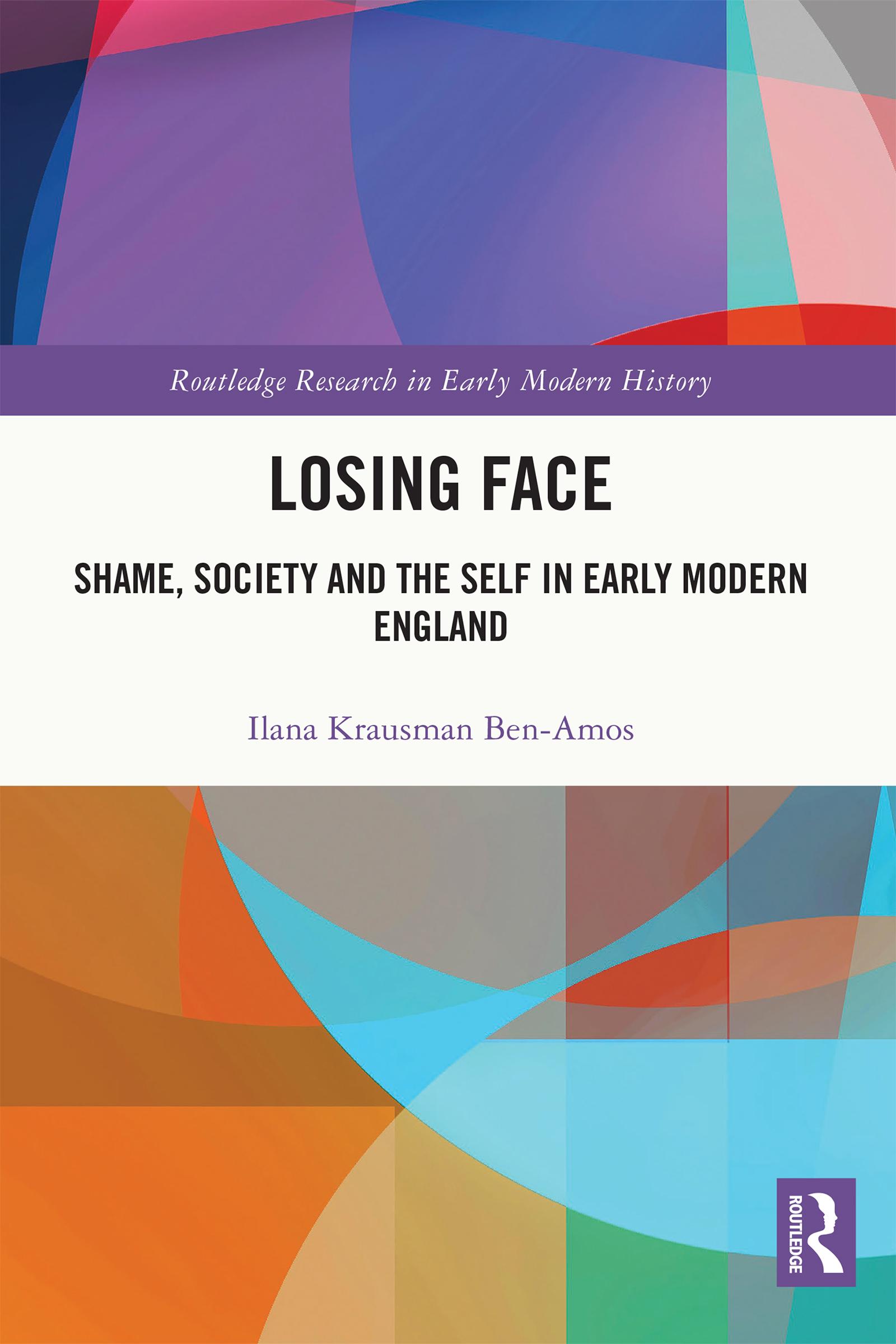
This book is a study of shame in English society in the two centuries between c.1550 and c.1750, demonstrating the ubiquity and powerful hold it had on contemporaries over the entire era. Using insights drawn from the social sciences, the book investigates multiple meanings and manifestations of shame in everyday lives and across private and public domains, exploring the practice and experience of shame in devotional life and family relations, amid social networks, and in communities or the public at large. The book pays close attention to variations and distinctive forms of shame, while also uncovering recurring patterns, a spectrum ranging from punitive, exclusionary and coercive shame through more conciliatory, lenient and inclusive forms. Placing these divergent forms in the context of the momentous social and cultural shifts that unfolded over the course of the era, the book challenges perceptions of the waning of shame in the transition from early modern to modern times, arguing instead that whereas some modes of shame diminished or disappeared, others remained vital, were reformulated and vastly enhanced.
Payez facilement par carte, Klarna, Apple Pay ou Google Pay. Pas satisfait ? Vous avez toujours une garantie de remboursement de 14 jours. En savoir plus dans nos conditions. Si vous avez des questions, envoyez-nous un e-mail à hello@memmo.org.
Memmo facilite tes études, où que tu sois dans le monde. On rassemble tes manuels de cours et des outils d'étude intelligents au même endroit : résumés, quiz, podcasts et flashcards. Et il y a Ted, ton compagnon d'étude qui répond à toutes tes questions. Plus de 50 000 étudiants étudient déjà ici – conçu pour t'aider à apprendre plus vite et à moins stresser.