
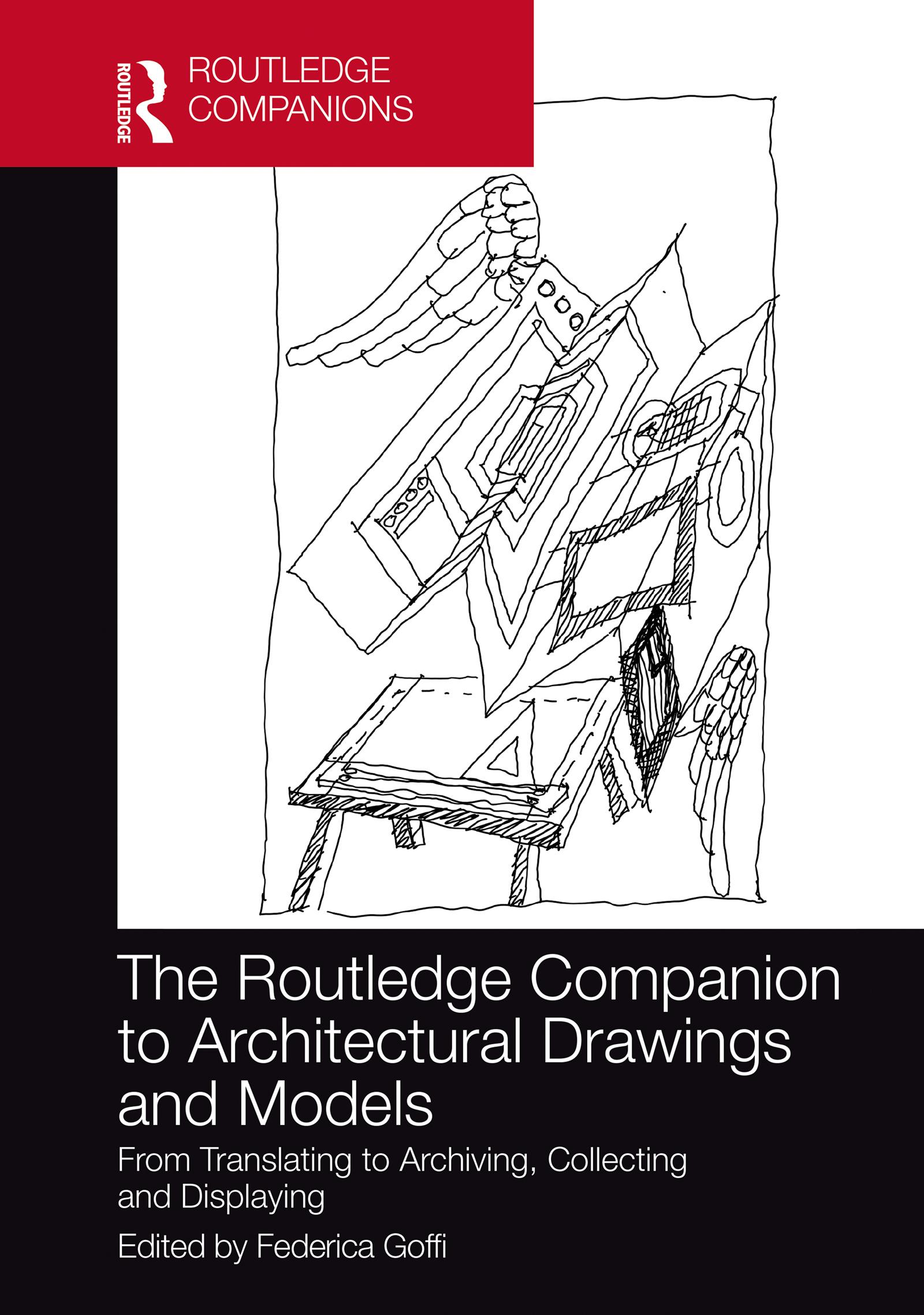
Architectural drawings and models are instruments of imagination, communication, and historical continuity. The role of drawings and models, and their ownership, placement, and authorship in a ubiquitous digital age deserve careful consideration. Expanding on the well-established discussion of the translation from drawings to buildings, this book fills a lacuna in current scholarship, questioning the significance of the lives of drawings and models after construction.
Including emerging, well-known, and world-renowned scholars in the fields of architectural history and theory and curatorial practices, the thirty-five contributions define recent research in four key areas:
- drawing sites/sites of knowledge construction: drawing, office, construction site;
- the afterlife of drawings and models: archiving, collecting, displaying, and exhibiting;
- tools of making: architectural representations and their apparatus over time; and
- the ethical responsibilities of collecting and archiving: authorship, ownership, copyrights, and rights to copy.
The research covers a wide range of geographies and delves into the practices of such architects as Sir John Soane, Superstudio, Eugène-Emmanuel Viollet-le-Duc, Frank Lloyd Wright, Wajiro Kon, Germán Samper Gnecco, A+PS, Mies van der Rohe, and Renzo Piano.
Payez facilement par carte, Klarna, Apple Pay ou Google Pay. Pas satisfait ? Vous avez toujours une garantie de remboursement de 14 jours. En savoir plus dans nos conditions. Si vous avez des questions, envoyez-nous un e-mail à hello@memmo.org.
Memmo facilite tes études, où que tu sois dans le monde. On rassemble tes manuels de cours et des outils d'étude intelligents au même endroit : résumés, quiz, podcasts et flashcards. Et il y a Ted, ton compagnon d'étude qui répond à toutes tes questions. Plus de 50 000 étudiants étudient déjà ici – conçu pour t'aider à apprendre plus vite et à moins stresser.