
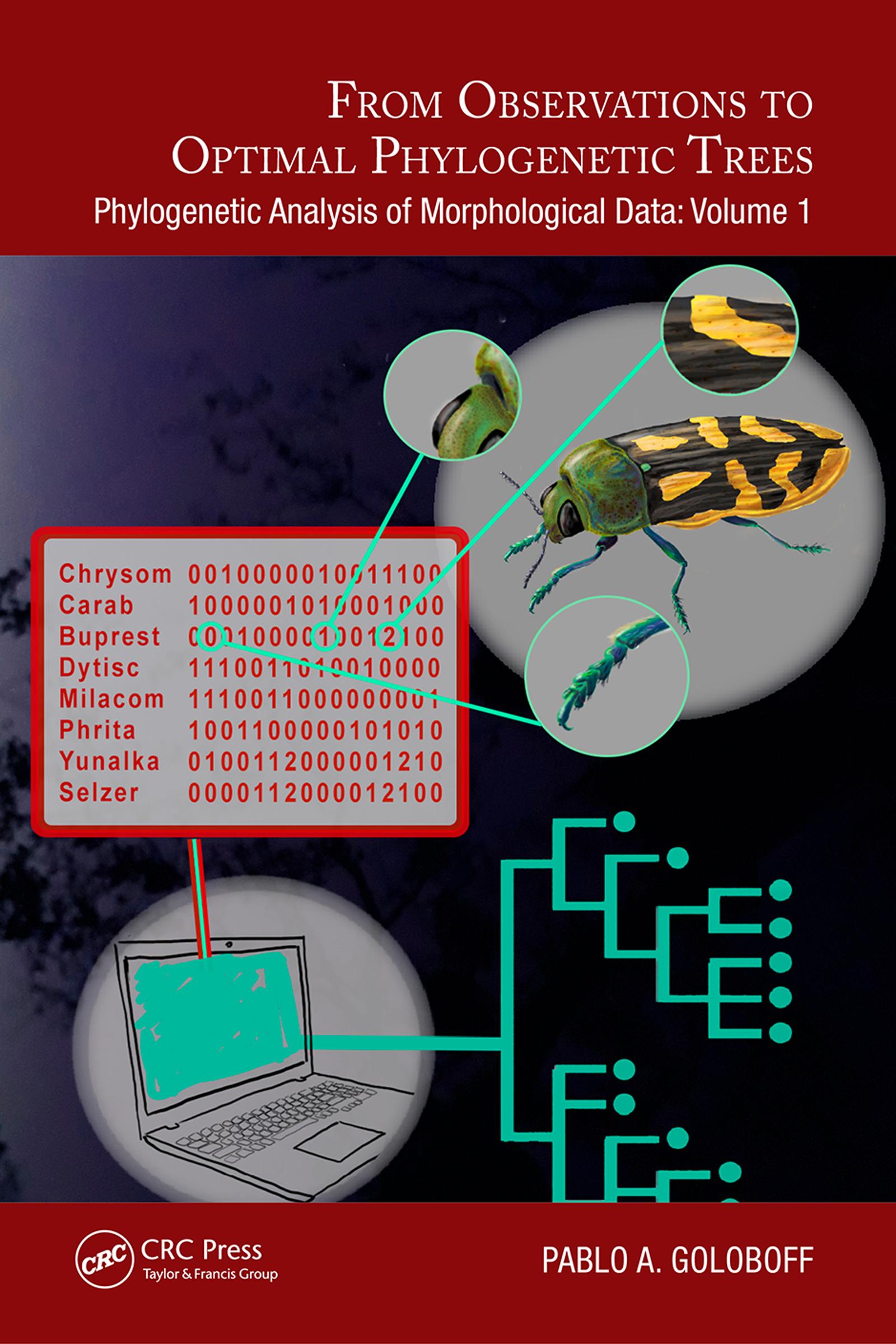
Taxonomists specializing in different groups once based phylogenetic analysis only on morphological data; molecular data was used more rarely. Although molecular systematics is routine today, the use of morphological data continues to be important, especially for phylogenetic placement of many taxa known only from fossils and rare or difficult to collect species. In addition, morphological analyses help identify potential biases in molecular analyses. And finally, scenarios with respect to morphology continue to motivate biologists: the beauty of a cheetah or a baobab does not lie in their DNA sequence, but instead on what they are and do! This book is an up-to-date revision of methods and principles of phylogenetic analysis of morphological data. It is also a general guide for using the computer program TNT in the analysis of such data. The book covers the main aspects of phylogenetic analysis and general methods to compare classifications derived from molecules and morphology. The basic aspects of molecular analysis are covered only as needed to highlight the differences with methods and assumptions for analysis of morphological datasets.
Payez facilement par carte, Klarna, Apple Pay ou Google Pay. Pas satisfait ? Vous avez toujours une garantie de remboursement de 14 jours. En savoir plus dans nos conditions. Si vous avez des questions, envoyez-nous un e-mail à hello@memmo.org.
Memmo facilite tes études, où que tu sois dans le monde. On rassemble tes manuels de cours et des outils d'étude intelligents au même endroit : résumés, quiz, podcasts et flashcards. Et il y a Ted, ton compagnon d'étude qui répond à toutes tes questions. Plus de 50 000 étudiants étudient déjà ici – conçu pour t'aider à apprendre plus vite et à moins stresser.