
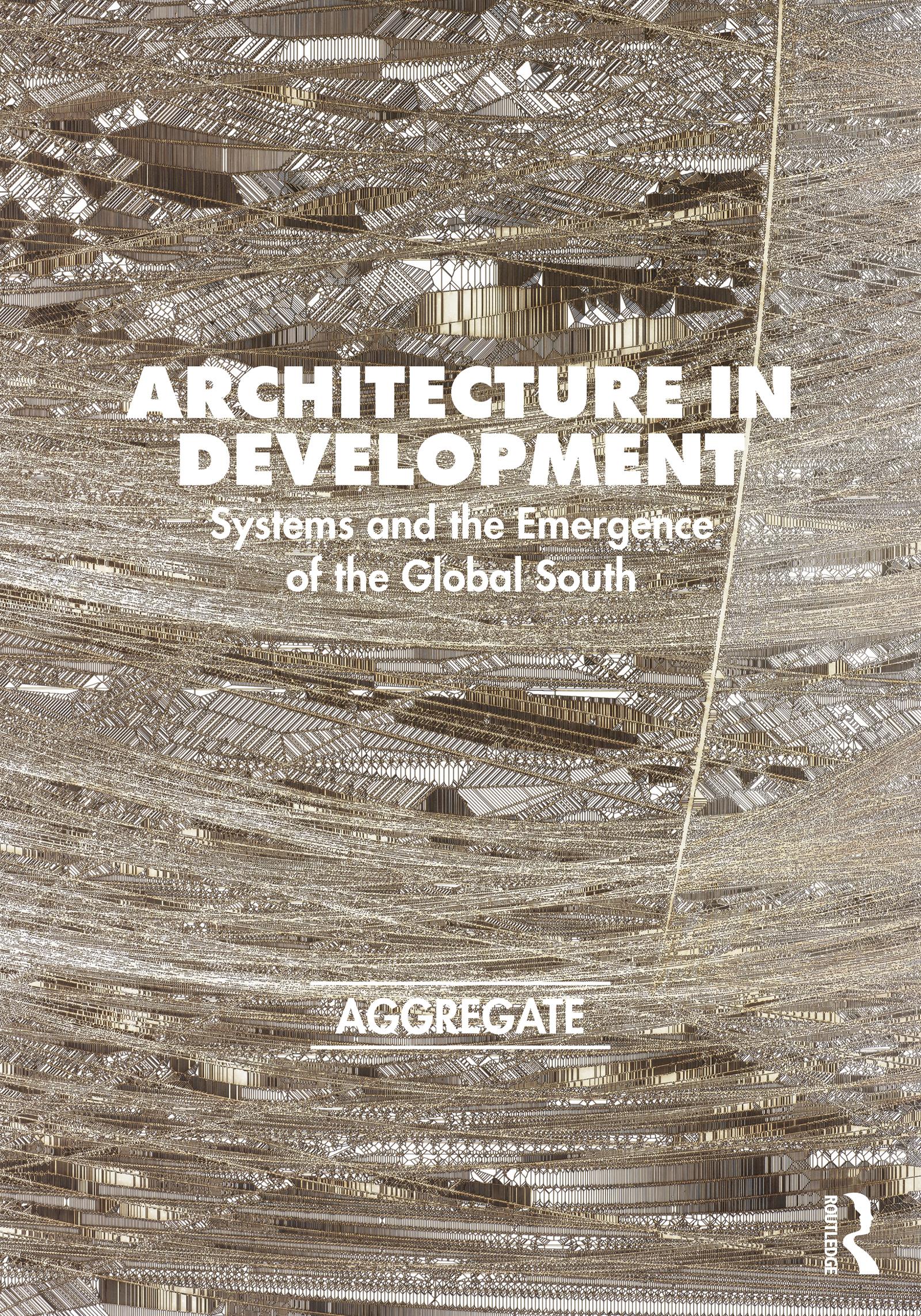
This extensive text investigates how architects, planners, and other related experts responded to the contexts and discourses of “development” after World War II. Development theory did not manifest itself in tracts of economic and political theory alone. It manifested itself in every sphere of expression where economic predicaments might be seen to impinge on cultural factors. Architecture appears in development discourse as a terrain between culture and economics, in that practitioners took on the mantle of modernist expression while also acquiring government contracts and immersing themselves in bureaucratic processes. This book considers how, for a brief period, architects, planners, structural engineers, and various practitioners of the built environment employed themselves in designing all the intimate spheres of life, but from a consolidated space of expertise. Seen in these terms, development was, to cite Arturo Escobar, an immense design project itself, one that requires radical disassembly and rethinking beyond the umbrella terms of “global modernism” and “colonial modernities,” which risk erasing the sinews of conflict encountered in globalizing and modernizing architecture.
Encompassing countries as diverse as Israel, Ghana, Greece, Belgium, France, India, Mexico, the United States, Venezuela, the Philippines, South Korea, Sierra Leone, Singapore, Turkey, Cyprus, Iraq, Zambia, and Canada, the set of essays in this book cannot be considered exhaustive, nor a “field guide” in the traditional sense. Instead, it offers theoretical reflections “from the field,” based on extensive archival research. This book sets out to examine the arrays of power, resources, technologies, networking, and knowledge that cluster around the term "development," and the manner in which architects and planners negotiated these thickets in their multiple capacities—as knowledge experts, as technicians, as negotiators, and as occasional authorities on settlements, space, domesticity, education, health, and every other field where arguments for development were made.
Payez facilement par carte, Klarna, Apple Pay ou Google Pay. Pas satisfait ? Vous avez toujours une garantie de remboursement de 14 jours. En savoir plus dans nos conditions. Si vous avez des questions, envoyez-nous un e-mail à hello@memmo.org.
Memmo facilite tes études, où que tu sois dans le monde. On rassemble tes manuels de cours et des outils d'étude intelligents au même endroit : résumés, quiz, podcasts et flashcards. Et il y a Ted, ton compagnon d'étude qui répond à toutes tes questions. Plus de 50 000 étudiants étudient déjà ici – conçu pour t'aider à apprendre plus vite et à moins stresser.