
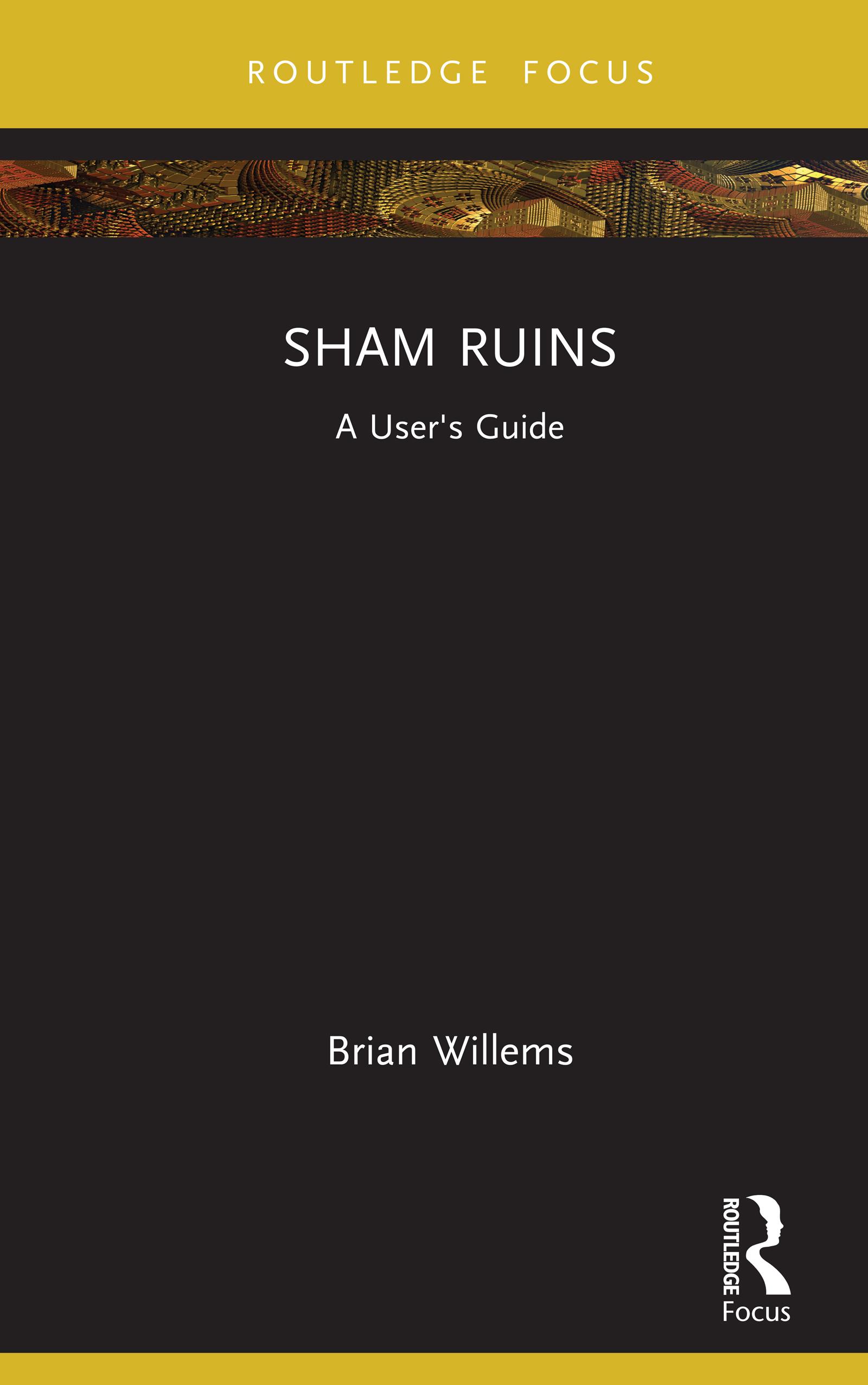
In the middle of the eigtheenth century, a new fad found its way into the gardens of England's well-to-do: building fake Gothic ruins. Newly constructed castle towers and walls looked like they were already falling apart, even on the first day of their creation. Made of stone, plaster, or even canvas, these "sham ruins" are often considered an embarrassing blip in English architectural history. However, Sham Ruins: A User's Guide expands the specific example of the sham ruin into a general principle to examine the way purposely broken objects can be used to both uncover old truths and invent new ones. Along with architecture, work by Ivan Vladislavić, Tom Stoppard, Alain Mabanckou, Aleksei Fedorchenko, Michael Haneke, and Sturtevant is used to develop this thesis, as well as artifacts such as pre-torn jeans, fake histories, and broken screen apps. Using these examples, one of the key questions the book raises is: what is it that sham ruins ruin? In other words, if real ruins are ruins of what they actually are, then sham ruins should be considered ruins of what they are not. Thus sham ruins are about imposing new meaning where such meaning does not and should not exist. They also can show how things we think are functioning well are actually already broken. Sham ruins do this, and much more, by being lies, ruses, and embarrassments. This is what gives them the power with which we can think about objects in new, unintended ways.
Payez facilement par carte, Klarna, Apple Pay ou Google Pay. Pas satisfait ? Vous avez toujours une garantie de remboursement de 14 jours. En savoir plus dans nos conditions. Si vous avez des questions, envoyez-nous un e-mail à hello@memmo.org.
Memmo facilite tes études, où que tu sois dans le monde. On rassemble tes manuels de cours et des outils d'étude intelligents au même endroit : résumés, quiz, podcasts et flashcards. Et il y a Ted, ton compagnon d'étude qui répond à toutes tes questions. Plus de 50 000 étudiants étudient déjà ici – conçu pour t'aider à apprendre plus vite et à moins stresser.