
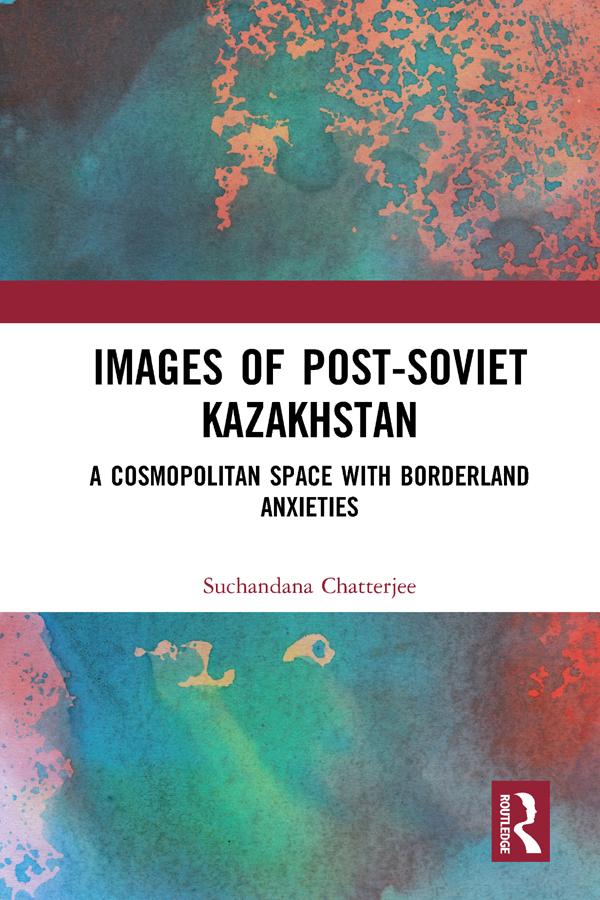
The study revolves round the relationship between space and transitional identity in Kazakhstan in the post-Soviet period. Emergent discourses about cosmopolitanism suggest multiple interactions in a transitional space. The cosmopolitanism of our times implies the dynamic responses of communities in transition. The diversities and heterogeneities instead of the specifics, the encounters, the networks, the challenges, the ways of living, the multitude of fates need to be considered. The picture is far bigger as there are infinite ways of being and belonging. The images are of the many, and as suggested here, relate to the Kazakh conscience. The Kazakh conscience represents a repertoire of diverse opinions regarding Eurasianism, intellectuals’ reformist agenda, zhuz legacy, people’s histories. What stands out is the wider milieu of a cosmopolitan Almaty which is the home of a cultural elite or a citified Astana that has been showcased as the “appropriate site” of the Kazakhs’ steppe identity. The variety is also seen in the case of Uyghur neighbourhoods of Almaty, in the frontiers of Akmolinsk oblast reminiscent of Tsarist Russia’s Cossack military fortresses, in gulag memorials near Astana and in the Caspian hub Atyrau that is iconised as the oil fountain of the present century. Kazakh borderlands have a completely different profile—that of shared spaces. The Kazakhs’ attachment to their homeland is a constant—but the question is whether that territorial reality fits into other paradigms of identity and belonging. Such questions arise in the case of Mongolian Kazakhs and Uyghurs of Semirechie—in both cases the sentiment of place is strong compared to the overwhelming global experiences of the mainland Kazakhs.
Please note: Taylor & Francis does not sell or distribute the Hardback in India, Pakistan, Nepal, Bhutan, Bangladesh and Sri Lanka
Payez facilement par carte, Klarna, Apple Pay ou Google Pay. Pas satisfait ? Vous avez toujours une garantie de remboursement de 14 jours. En savoir plus dans nos conditions. Si vous avez des questions, envoyez-nous un e-mail à hello@memmo.org.
Memmo facilite tes études, où que tu sois dans le monde. On rassemble tes manuels de cours et des outils d'étude intelligents au même endroit : résumés, quiz, podcasts et flashcards. Et il y a Ted, ton compagnon d'étude qui répond à toutes tes questions. Plus de 50 000 étudiants étudient déjà ici – conçu pour t'aider à apprendre plus vite et à moins stresser.