
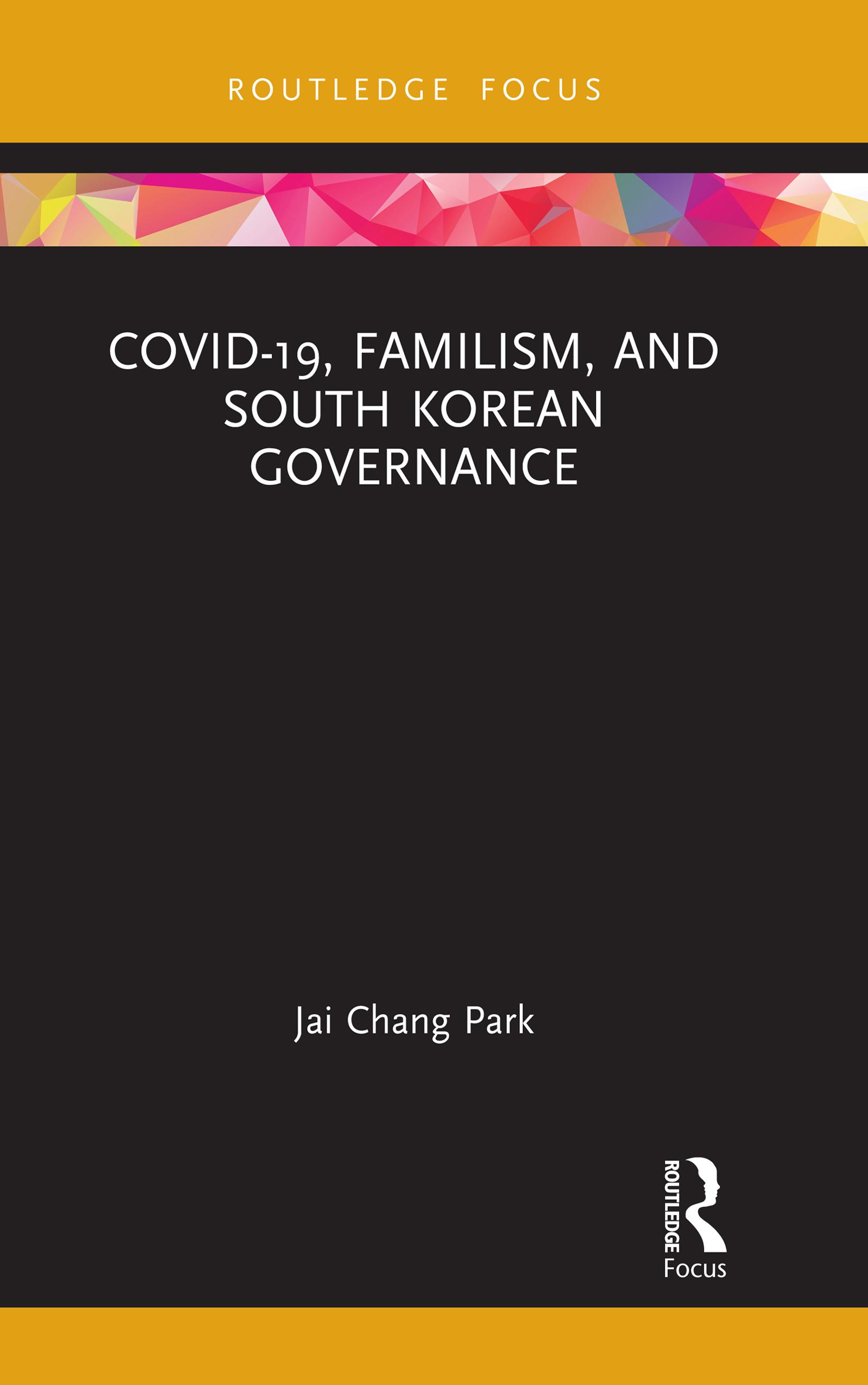
This book traces the factors that contributed to the success in controlling the COVID-19 pandemic in South Korea and identifies the concept of familism as a major environmental factor.
The government of South Korea has achieved remarkable outcomes in its COVID-19 response, despite the fact that South Korea usually promotes a family-focused investment of resources at the expense of broader social goals. The author eschews these western cultural biases in theories of crisis management and suggests that the key component of South Korea’s success is not self-centered egotism of individuals but a focus on family and familism, which projects state as an extension of family. He argues that while the success in managing the COVID-19 epidemic is due to a combination of factors, familism has been a key force in driving this successful response to the COVID-19 outbreak.
The book will be of interest to scholars and students of governance, crisis management, civil society, and citizen’s participation in public administration, international relations, Asian studies, and cultural studies and Confucianism.
Payez facilement par carte, Klarna, Apple Pay ou Google Pay. Pas satisfait ? Vous avez toujours une garantie de remboursement de 14 jours. En savoir plus dans nos conditions. Si vous avez des questions, envoyez-nous un e-mail à hello@memmo.org.
Memmo facilite tes études, où que tu sois dans le monde. On rassemble tes manuels de cours et des outils d'étude intelligents au même endroit : résumés, quiz, podcasts et flashcards. Et il y a Ted, ton compagnon d'étude qui répond à toutes tes questions. Plus de 50 000 étudiants étudient déjà ici – conçu pour t'aider à apprendre plus vite et à moins stresser.