
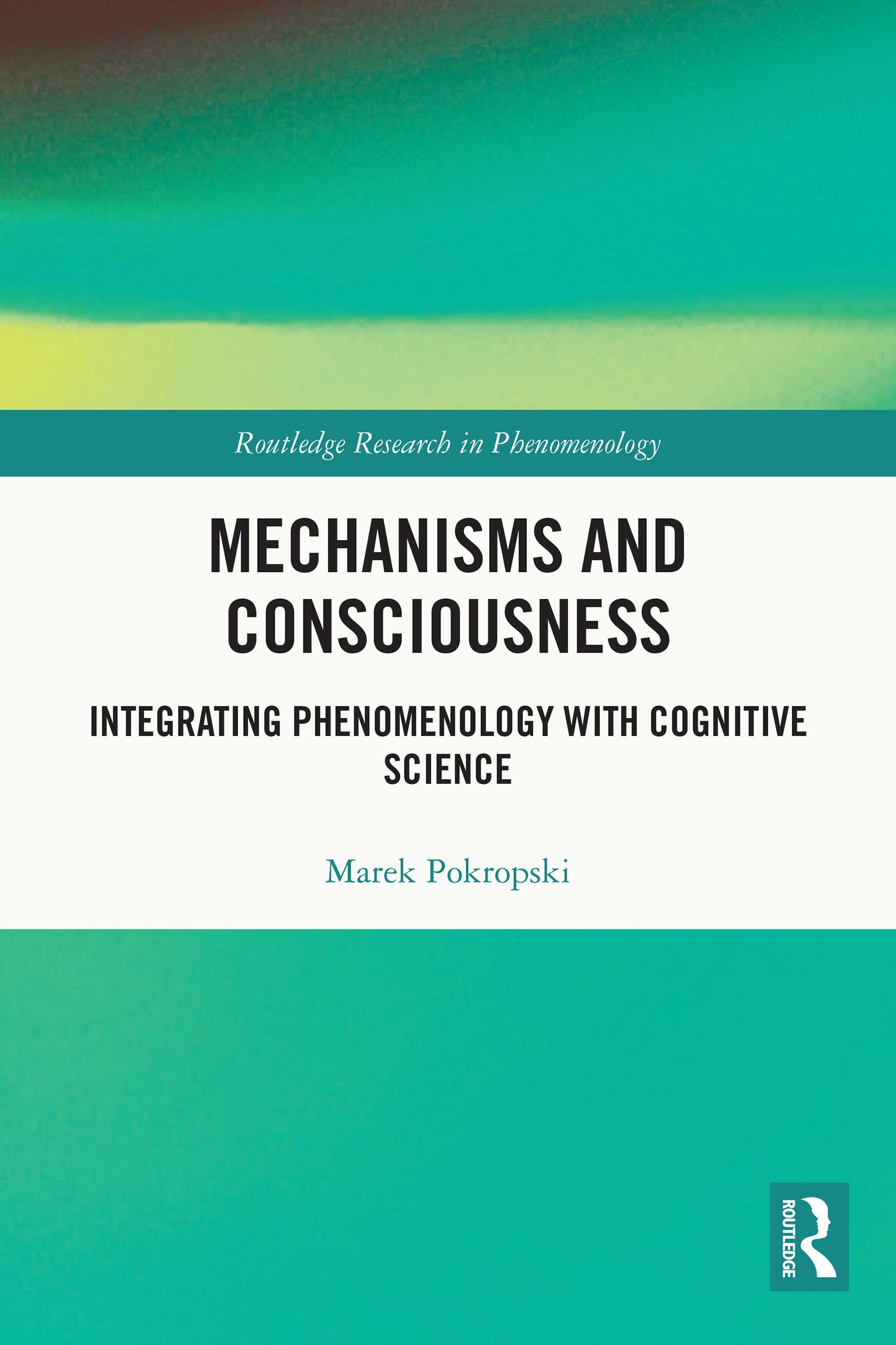
This book develops a new approach to naturalizing phenomenology. The author proposes to integrate phenomenology with the mechanistic framework that offers new methodological perspectives for studying complex mental phenomena such as consciousness.
While mechanistic explanatory models are widely applied in cognitive science, their approach to describing subjective phenomena is limited. The author argues that phenomenology can fill this gap. He proposes two novel ways of integrating phenomenology and mechanism. First, he presents a new reading of phenomenological analyses as functional analyses. Such functional phenomenology delivers a functional sketch of a target system and provides constraints on the space of possible mechanisms. Second, he develops the neurophenomenological approach in the direction of dynamic modeling of experience. He shows that neurophenomenology can deliver dynamical constraints on mechanistic models and thus inform the search for an underlying mechanism.
Mechanisms and Consciousness will be of interest to scholars and advanced students working in phenomenology, philosophy of mind, and the cognitive sciences.
Payez facilement par carte, Klarna, Apple Pay ou Google Pay. Pas satisfait ? Vous avez toujours une garantie de remboursement de 14 jours. En savoir plus dans nos conditions. Si vous avez des questions, envoyez-nous un e-mail à hello@memmo.org.
Memmo facilite tes études, où que tu sois dans le monde. On rassemble tes manuels de cours et des outils d'étude intelligents au même endroit : résumés, quiz, podcasts et flashcards. Et il y a Ted, ton compagnon d'étude qui répond à toutes tes questions. Plus de 50 000 étudiants étudient déjà ici – conçu pour t'aider à apprendre plus vite et à moins stresser.