
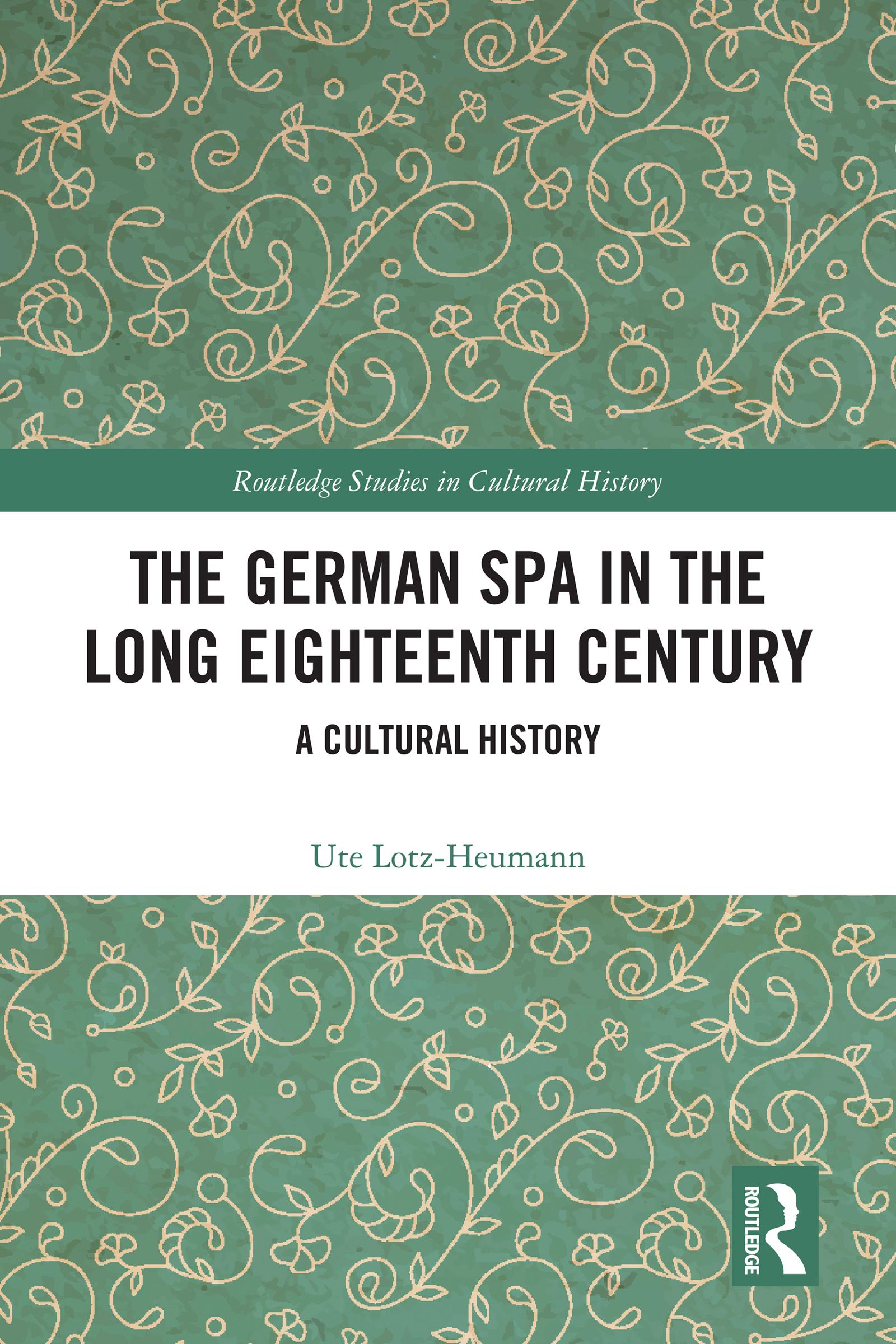
Shifting the focus from the medical use of spas to their cultural and social functions, this study shows that eighteenth- and early nineteenth-century German spas served a vital role as spaces where new ways of perceiving the natural environment and conceptualizing society were disseminated. Although spas continued to be places of health and healing, their function and perception in central Europe changed fundamentally around the middle of the eighteenth century. This transformation of the role of the spa occurred in two ways. First, the spa popularized a new perception of the landscape with a preference for mountains and the seacoast, forming the basis for the cultural assumptions underlying modern tourism. Second, contemporaries perceived spas as meeting places comparable to institutions of Enlightenment sociability like coffeehouses, salons, and Masonic lodges. Spas were conceived as spaces where the nobility and the bourgeoisie could interact on an equal footing, thereby overcoming the constraints of early modern social boundaries. These changes were negotiated through both personal interactions at spas and an increasingly sophisticated published spa discourse. The late eighteenth- and early nineteenth-century German spa thus helped to bring about social and cultural modernity.
Payez facilement par carte, Klarna, Apple Pay ou Google Pay. Pas satisfait ? Vous avez toujours une garantie de remboursement de 14 jours. En savoir plus dans nos conditions. Si vous avez des questions, envoyez-nous un e-mail à hello@memmo.org.
Memmo facilite tes études, où que tu sois dans le monde. On rassemble tes manuels de cours et des outils d'étude intelligents au même endroit : résumés, quiz, podcasts et flashcards. Et il y a Ted, ton compagnon d'étude qui répond à toutes tes questions. Plus de 50 000 étudiants étudient déjà ici – conçu pour t'aider à apprendre plus vite et à moins stresser.