
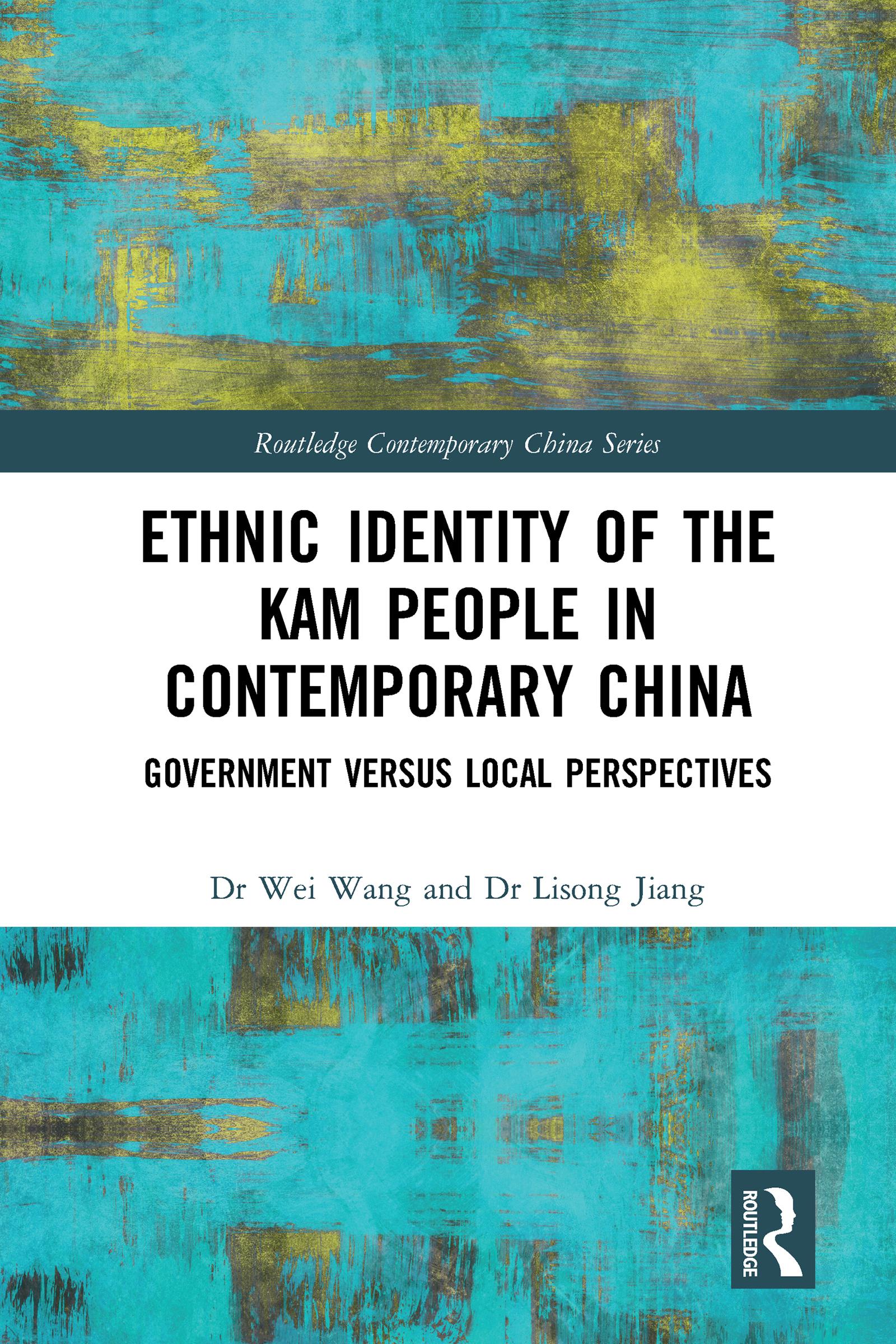
Based on three years of fieldwork in Zhanli, a remote Kam Village in Guizhou Province, Wang and Jiang explore the complex dynamics between the discursive practices of the local government and the villagers in relation to the reconstruction of Kam identity in response to social change, particularly the rise of rural tourism.
China’s profound demographic and socio-economic transformation has intensified the dominance of Han culture and language and seriously challenged the traditional cultures in ethnic minority areas. The authors draw on multiple empirical sources, including in-depth interviews with Kam villagers and local officials, field observations, media discourse, local archives and government documents. They present an engaging account of the significant compromises that government and villagers have made in relation to ethnic identity in the name of economic development, and of the tensions and struggles that characterise the ongoing process of ethnic identity reconstruction.
Students and researchers in sociolinguistics, ethnography, and discourse studies, especially those with an interest in Chinese discourse, and everyone interested in issues around ethnicity (minzu) issues in China, will find this book a valuable resource.
Payez facilement par carte, Klarna, Apple Pay ou Google Pay. Pas satisfait ? Vous avez toujours une garantie de remboursement de 14 jours. En savoir plus dans nos conditions. Si vous avez des questions, envoyez-nous un e-mail à hello@memmo.org.
Memmo facilite tes études, où que tu sois dans le monde. On rassemble tes manuels de cours et des outils d'étude intelligents au même endroit : résumés, quiz, podcasts et flashcards. Et il y a Ted, ton compagnon d'étude qui répond à toutes tes questions. Plus de 50 000 étudiants étudient déjà ici – conçu pour t'aider à apprendre plus vite et à moins stresser.