
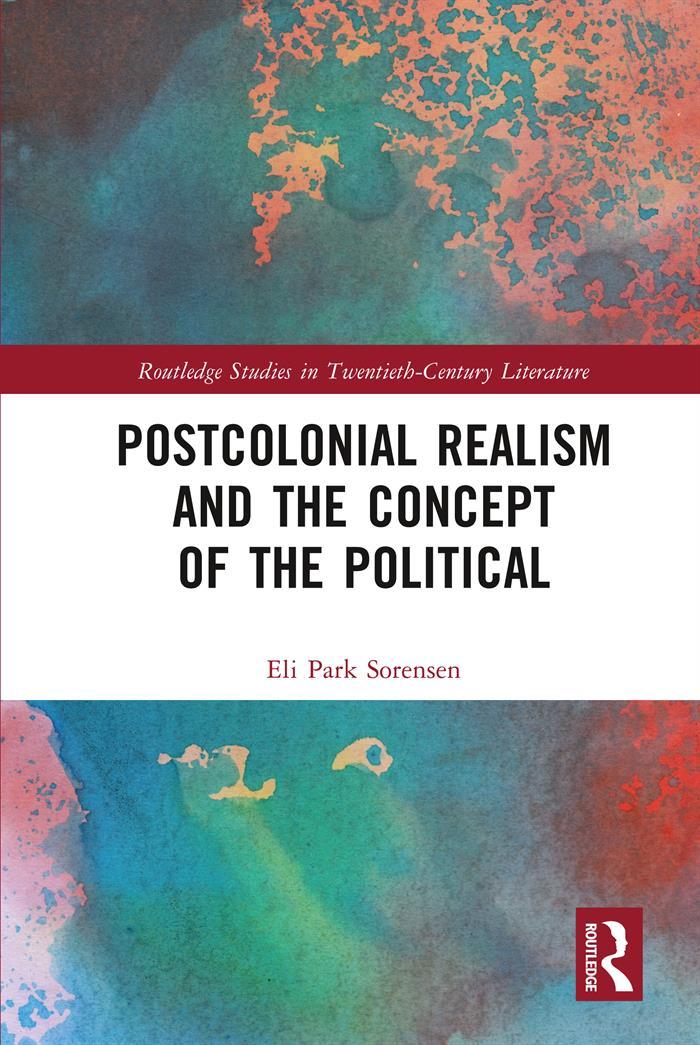
As the scholarly world attunes itself once again to the specifically political, this book rethinks the political significance of literary realism within a postcolonial context. Generally, postcolonial studies has either ignored realism or criticized it as being naïve, anachronistic, deceptive, or complicit with colonial discourse; in other words—incongruous with the postcolonial. This book argues that postcolonial realism is intimately connected to the specifically political in the sense that realist form is premised on the idea of a collective reality. Discussing a range of literary and theoretical works, Dr. Sorensen exemplifies that many postcolonial writers were often faced with the realities of an unstable state, a divided community inhabiting a contested social space, the challenges of constructing a notion of ‘the people,’ often out of a myriad of local communities with different traditions and languages brought together arbitrarily through colonization. The book demonstrates that the political context of realism is the sphere or possibility of civil war, divided societies, and unstable communities. Postcolonial realism is prompted by disturbing political circumstances, and it gestures toward a commonly imagined world, precisely because such a notion is under pressure or absent.
Payez facilement par carte, Klarna, Apple Pay ou Google Pay. Pas satisfait ? Vous avez toujours une garantie de remboursement de 14 jours. En savoir plus dans nos conditions. Si vous avez des questions, envoyez-nous un e-mail à hello@memmo.org.
Memmo facilite tes études, où que tu sois dans le monde. On rassemble tes manuels de cours et des outils d'étude intelligents au même endroit : résumés, quiz, podcasts et flashcards. Et il y a Ted, ton compagnon d'étude qui répond à toutes tes questions. Plus de 50 000 étudiants étudient déjà ici – conçu pour t'aider à apprendre plus vite et à moins stresser.