
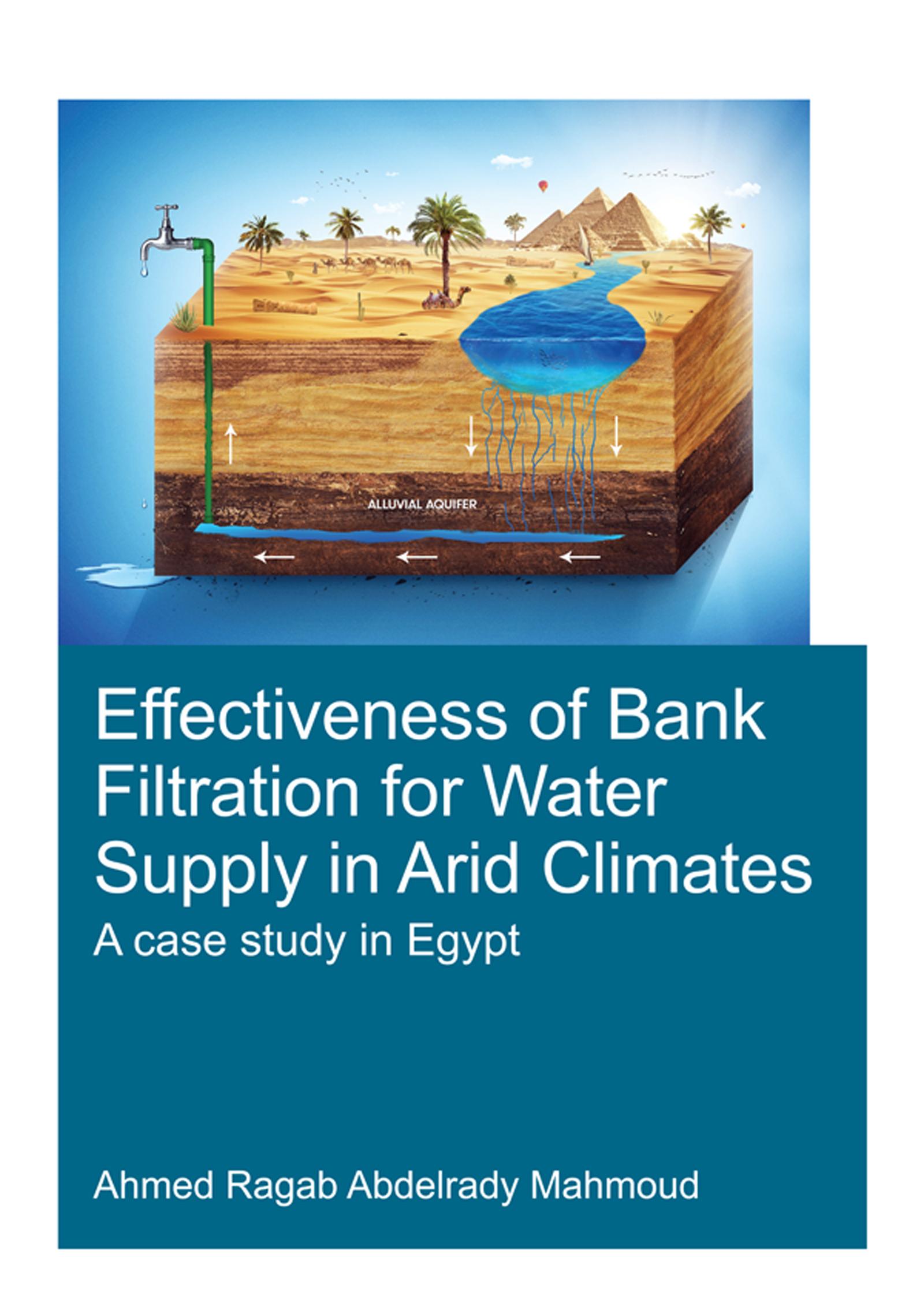
In many developing countries, water demand is increasing while surface- and groundwater resources are threatened by pollution and overexploitation. Hence, a more sustainable approach to water resources management and water treatment is required. In this capacity, bank filtration is a natural treatment process that makes use of the storage and contaminant attenuation capacity of natural soil/rock. However, BF is site-specific and a significant knowledge gap exists regarding the design and management of bank filtration systems, particularly in developing countries. This research aimed to address these gaps and contribute to the transfer of bank filtration to developing countries. This study comprised both column and batch laboratory-scale experiments to determine the effect of environmental variables such as temperature, raw water organic composition and redox conditions on the removal of chemical pollutants such as organic matter, micro-pollutants and heavy metals as well as the mobility of iron, manganese and arsenic under anaerobic conditions. Ultimately, the effectiveness of BF for supplying high drinking water quality was assessed in a case study in Egypt. The study showed that more than 80% of biodegradable organic matter was removed during infiltration at temperatures between 20 and 30 °C. However, humic compounds enriched during BF, required post-treatment. Moreover, high humic content of infiltrating water reduced the removal of heavy metal and promoted the release of metal (loids) into the infiltrating water, rendering it more feasible to install BF wells within surface water systems with low levels of organic matter. Moderately-hydrophobic organic micropollutants were most persistent and required infiltration times longer than 30 days for complete elimination even at high temperatures (>20 °C). Finally, design parameters such as the number of infiltration wells should be configured to minimise the proportion of polluted groundwater in the pumped water. Overall, this study provides insight into the effectiveness of BF in removing chemical pollutants from surface water and proposes guidelines for the successful application of BF in developing countries where arid conditions and high temperatures prevail.
Payez facilement par carte, Klarna, Apple Pay ou Google Pay. Pas satisfait ? Vous avez toujours une garantie de remboursement de 14 jours. En savoir plus dans nos conditions. Si vous avez des questions, envoyez-nous un e-mail à hello@memmo.org.
Memmo facilite tes études, où que tu sois dans le monde. On rassemble tes manuels de cours et des outils d'étude intelligents au même endroit : résumés, quiz, podcasts et flashcards. Et il y a Ted, ton compagnon d'étude qui répond à toutes tes questions. Plus de 50 000 étudiants étudient déjà ici – conçu pour t'aider à apprendre plus vite et à moins stresser.