
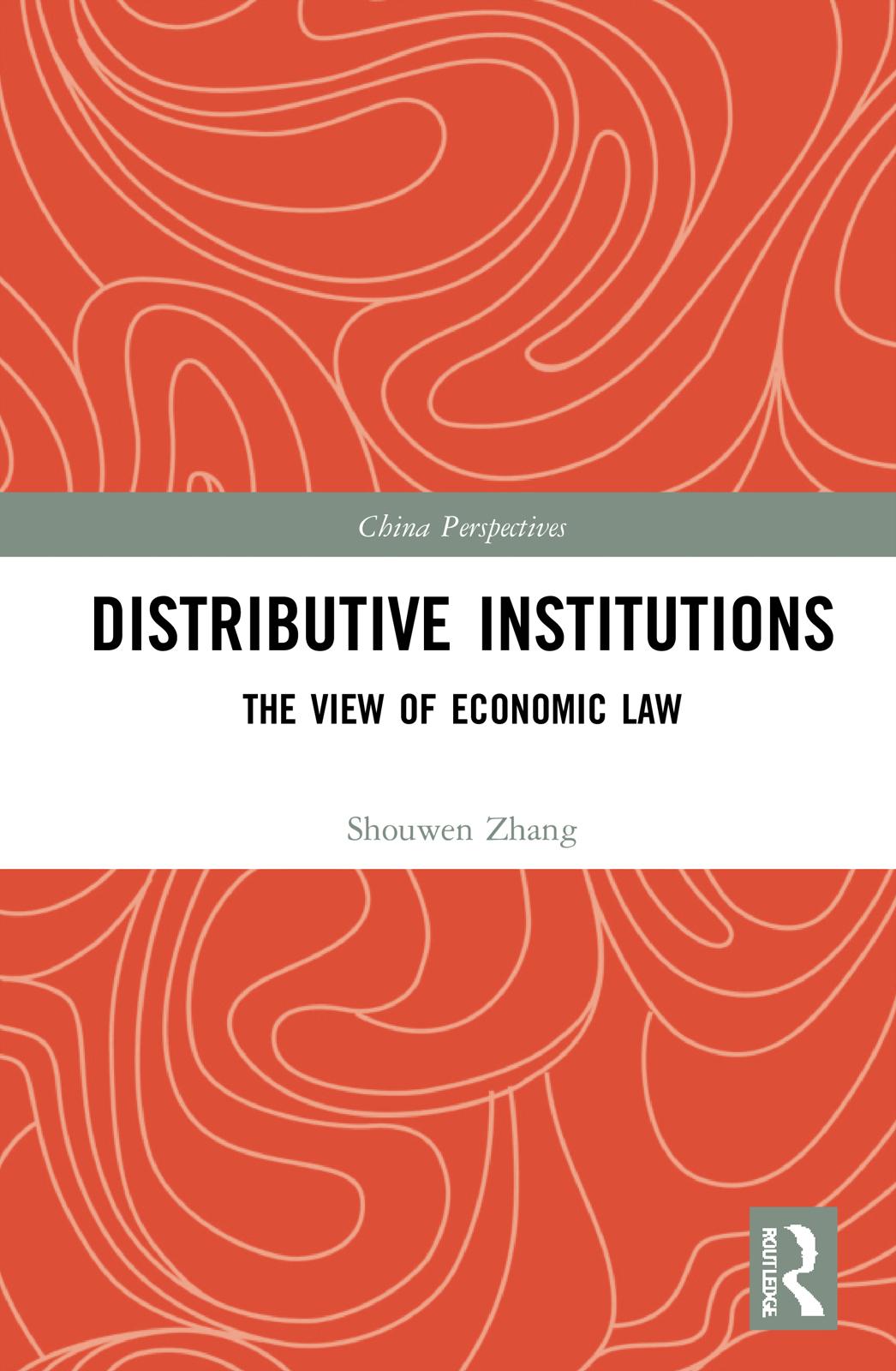
The crisis of distribution is one of the longest standing and most complicated issues facing human society. Imbued with social, political, historic, and cultural elements, it varies significantly across different countries as a result of all these factors. As an emerging economy which transferred from a planned to a market economy, China has experienced large distribution gaps since it implemented the Reform and Opening-up Policy in the early 1980s, requiring stronger economic law to mitigate and regulate the crisis of distribution.
In this second volume, the author analyses crises of distribution from a theoretical perspective and proposes law and policy solutions. Believing that such crises are a collective result of systematic limitations, the author proposes a theoretical framework of “system–distribution–development” in order to resolve distribution problems and promote economic development. He argues that a crisis of distribution cannot be avoided without coordinated development of economic law and relevant constitutional, civil, and commercial law systems. In addition, it is necessary to differentiate the territories, industries, enterprises, and individuals that constitute such diverse systems.
The book should be of keen interest to researchers and students of law, economics, and political science.
Payez facilement par carte, Klarna, Apple Pay ou Google Pay. Pas satisfait ? Vous avez toujours une garantie de remboursement de 14 jours. En savoir plus dans nos conditions. Si vous avez des questions, envoyez-nous un e-mail à hello@memmo.org.
Memmo facilite tes études, où que tu sois dans le monde. On rassemble tes manuels de cours et des outils d'étude intelligents au même endroit : résumés, quiz, podcasts et flashcards. Et il y a Ted, ton compagnon d'étude qui répond à toutes tes questions. Plus de 50 000 étudiants étudient déjà ici – conçu pour t'aider à apprendre plus vite et à moins stresser.