
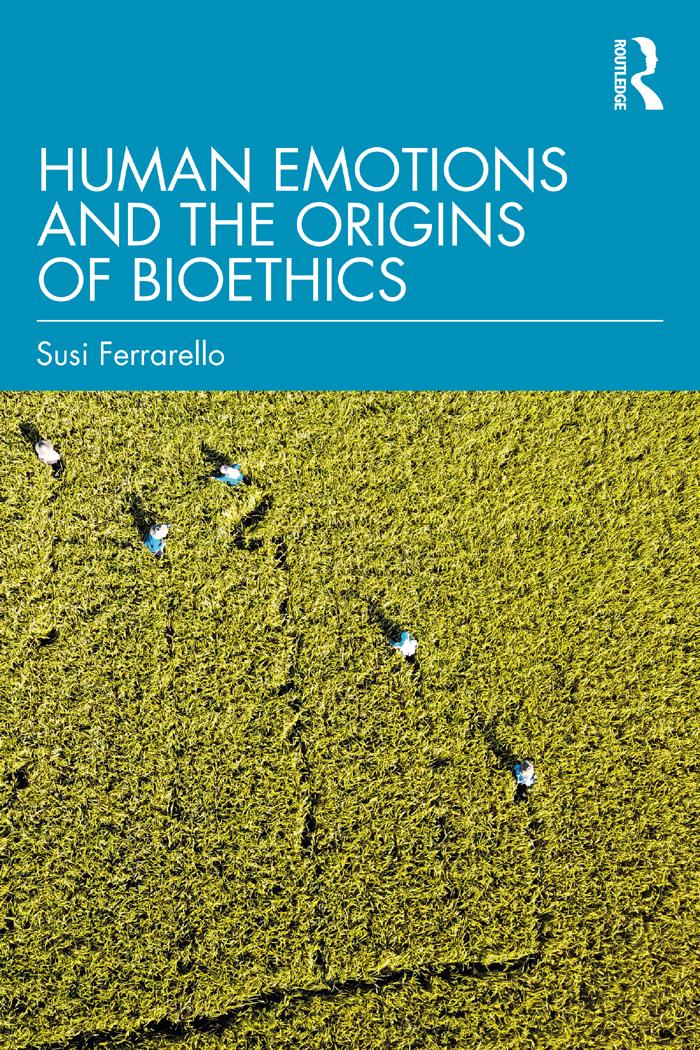
This book provides a unique phenomenological dialogue between psychology and philosophy on the origin of bioethics that shows the importance of bringing emotions into bioethical discourse.
Divided into two parts, the book begins by defining bioethics and explaining the importance of emotions in making us human, allowing us to consider life holistically. Ferrarello argues that emotions and bioethics are better served when they are combined, and that dismissing emotions as nothing more than a nuisance to our rationality has created a society that does not fit our human nature. Chapters explore how ethics relate to intimate life and how ethical agents determine themselves within their surrounding world, uniquely and interrogatively using ‘bioethics’ to consider not only medical dilemmas but also issues concerning environmental and individual well-being. By addressing personal, interpersonal, and societal problems as dynamically interconnected in bioethical problems she helps us to renew our sense of responsibility toward a good quality of life.
This interdisciplinary book is invaluable reading for students of health science, psychology, and philosophy, as well as for those interested in the link between emotions and bioethical discourse from both a psychological and philosophical perspective.
Payez facilement par carte, Klarna, Apple Pay ou Google Pay. Pas satisfait ? Vous avez toujours une garantie de remboursement de 14 jours. En savoir plus dans nos conditions. Si vous avez des questions, envoyez-nous un e-mail à hello@memmo.org.
Memmo facilite tes études, où que tu sois dans le monde. On rassemble tes manuels de cours et des outils d'étude intelligents au même endroit : résumés, quiz, podcasts et flashcards. Et il y a Ted, ton compagnon d'étude qui répond à toutes tes questions. Plus de 50 000 étudiants étudient déjà ici – conçu pour t'aider à apprendre plus vite et à moins stresser.