
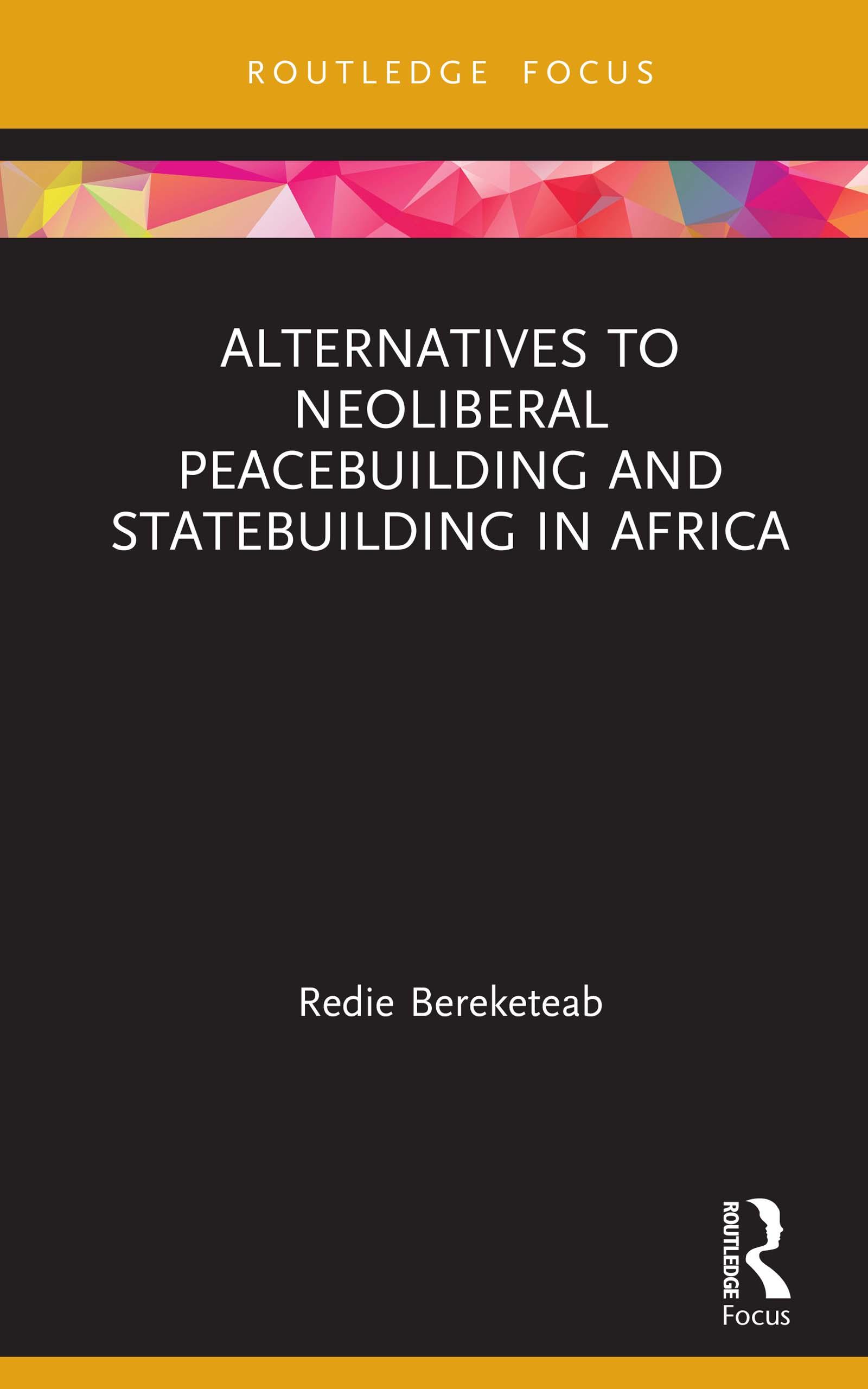
This book critically interrogates the neoliberal peacebuilding and statebuilding model and proposes a popular progressive model centred around the lived realities of African societies.
The neoliberal interventionist model assumed prominence and universal hegemony following the demise of state socialism at the end of the Cold War. However, this book argues that it is a primarily short-term, top-down approach that imposes Western norms and values on conflict and post-conflict societies. By contrast, the popular progressive model espoused by this book is based on stringent examination and analysis of the reality of the socio-economic development, structures, institutions, politics and cultures of developing societies. In doing so, it combines bottom-up and top-down, popular and elite, and long-term evolutionary processes of societal construction as a requisite for enduring peacebuilding and statebuilding.
By comparing and contrasting the dominant neoliberal peacebuilding and statebuilding model with a popular progressive model, the book seeks to empower locals (both elites and masses) to sit in the driver’s seat and construct their own societies. As such, it is an important contribution to scholars, activists, policymakers, civil society organisations, NGOs and all those who are concerned with peace, stability and development across Africa and other developing countries.
Payez facilement par carte, Klarna, Apple Pay ou Google Pay. Pas satisfait ? Vous avez toujours une garantie de remboursement de 14 jours. En savoir plus dans nos conditions. Si vous avez des questions, envoyez-nous un e-mail à hello@memmo.org.
Memmo facilite tes études, où que tu sois dans le monde. On rassemble tes manuels de cours et des outils d'étude intelligents au même endroit : résumés, quiz, podcasts et flashcards. Et il y a Ted, ton compagnon d'étude qui répond à toutes tes questions. Plus de 50 000 étudiants étudient déjà ici – conçu pour t'aider à apprendre plus vite et à moins stresser.