
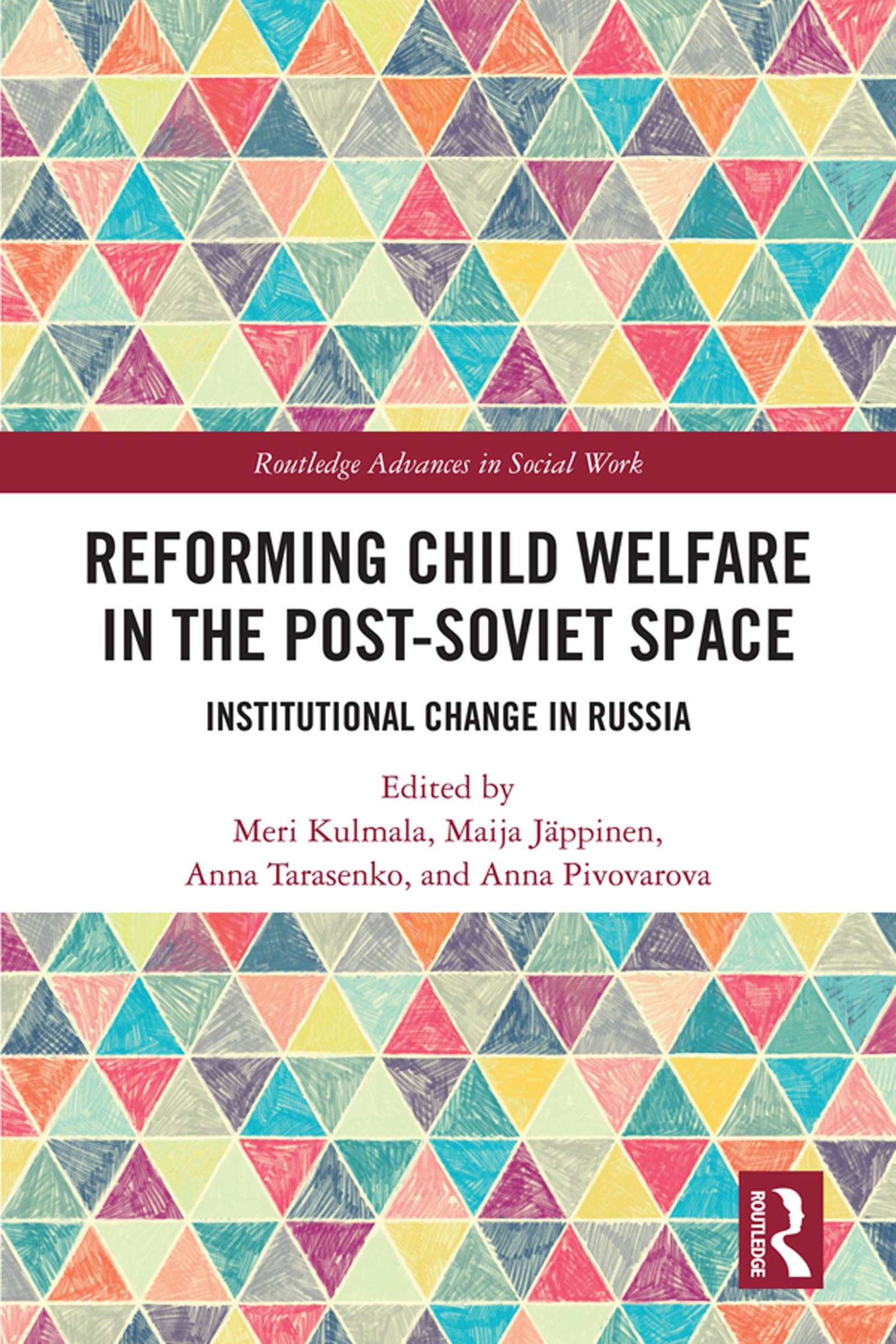
This book provides new and empirically grounded research-based knowledge and insights into the current transformation of the Russian child welfare system. It focuses on the major shift in Russia’s child welfare policy: deinstitutionalisation of the system of children’s homes inherited from the Soviet era and an increase in fostering and adoption.
Divided into four sections, this book details both the changing role and function of residential institutions within the Russian child welfare system and the rapidly developing form of alternative care in foster families, as well as work undertaken with birth families. By analysing the consequences of deinstitutionalisation and its effects on children and young people as well as their foster and birth parents, it provides a model for understanding this process across the whole of the post-Soviet space.
It will be of interest to academics and students of social work, sociology, child welfare, social policy, political science, and Russian and East European politics more generally.
Payez facilement par carte, Klarna, Apple Pay ou Google Pay. Pas satisfait ? Vous avez toujours une garantie de remboursement de 14 jours. En savoir plus dans nos conditions. Si vous avez des questions, envoyez-nous un e-mail à hello@memmo.org.
Memmo facilite tes études, où que tu sois dans le monde. On rassemble tes manuels de cours et des outils d'étude intelligents au même endroit : résumés, quiz, podcasts et flashcards. Et il y a Ted, ton compagnon d'étude qui répond à toutes tes questions. Plus de 50 000 étudiants étudient déjà ici – conçu pour t'aider à apprendre plus vite et à moins stresser.