
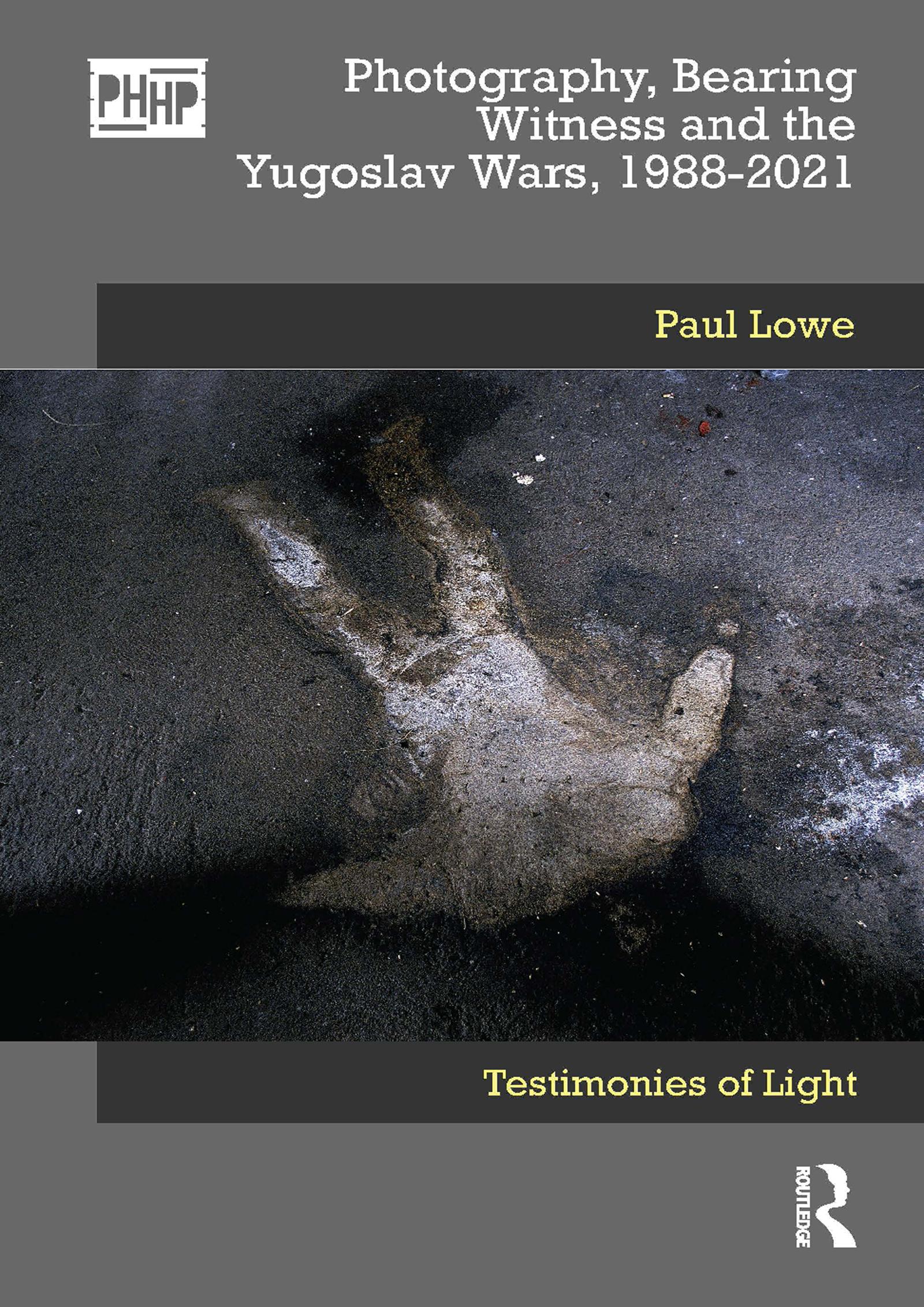
Combining case studies with theoretical and philosophical insights, this book explores the role of photography in representing conflict and genocide, both during and after the break-up of Yugoslavia.
Concentrating on the photographer, this book considers the practice of photojournalism rather than simply in terms of its consumption and use by the media. The experiences and working methods of photographers in the field are analysed, showing how practitioners conceptualised their work and responded to larger questions about neutrality and moral responsibility. Presenting this ‘active’ form of witness, author Paul Lowe investigates a crucial ethical paradox faced by photojournalists. Moving beyond the end of the Yugoslav Wars in 2001, this book also considers the therapeutic and validating potential of photography for survivors, featuring photographers whose work centres on memory and reconciliation. Based on archival research, close reading and discourse analyses of photographs, and interviews with a range of international photographers, this book explores how photography from this period has been used and remediated in editorial photojournalism, fine art documentary and advocacy photography.
This book will be of interest to scholars in the history of photography, art and visual culture, and photojournalism.
Payez facilement par carte, Klarna, Apple Pay ou Google Pay. Pas satisfait ? Vous avez toujours une garantie de remboursement de 14 jours. En savoir plus dans nos conditions. Si vous avez des questions, envoyez-nous un e-mail à hello@memmo.org.
Memmo facilite tes études, où que tu sois dans le monde. On rassemble tes manuels de cours et des outils d'étude intelligents au même endroit : résumés, quiz, podcasts et flashcards. Et il y a Ted, ton compagnon d'étude qui répond à toutes tes questions. Plus de 50 000 étudiants étudient déjà ici – conçu pour t'aider à apprendre plus vite et à moins stresser.