
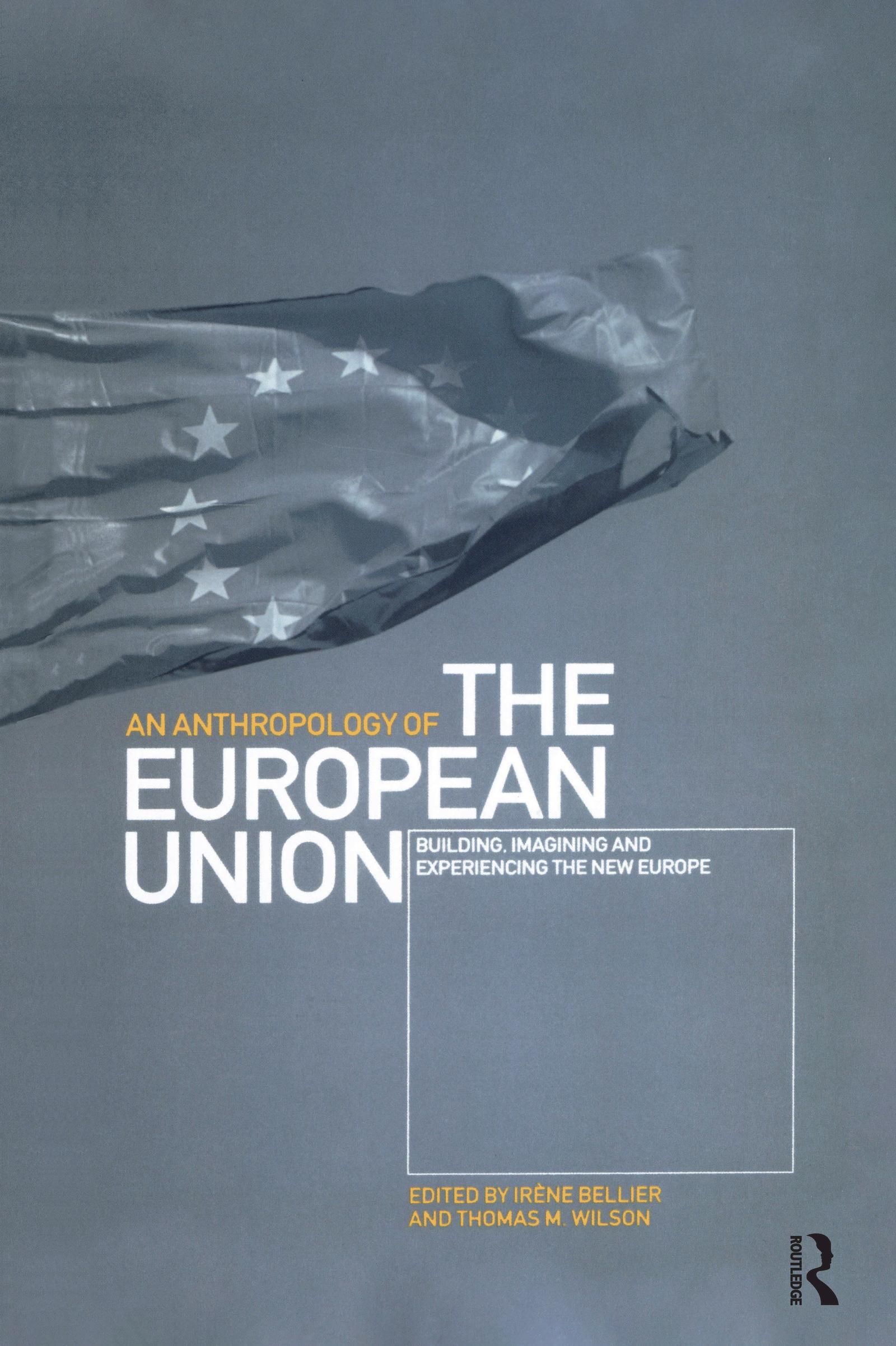
One of the problems facing Europe is that the building of institutional Europe and top-down efforts to get Europeans to imagine their common identity do not necessarily result in political and cultural unity. Anthropologists have been slow to consider the difficulties presented by the expansion of the EU model and its implications for Europe in the 21st Century. Representing a new trend in European anthropology, this book examines how people adjust to their different experiences of the new Europe. The role of culture, religion, and ideology, as well as insiders' social and professional practices, are all shown to shed light on the cultural logic sustaining the institutions and policies of the European Union. On the one hand, the activities of the European institutions in Brussels illustrate how people of many different nationalities, languages and cultures can live and work together. On the other hand, the interests of many people at the local, regional and national levels are not the same as the Eurocrats'. Contributors explore the issues of unity and diversity in ‘Europe-building' through various European institutions, images, and programmes, and their effects on a variety of definitions of identity in such locales as France, Denmark, the United Kingdom, Ireland and Belgium.
Payez facilement par carte, Klarna, Apple Pay ou Google Pay. Pas satisfait ? Vous avez toujours une garantie de remboursement de 14 jours. En savoir plus dans nos conditions. Si vous avez des questions, envoyez-nous un e-mail à hello@memmo.org.
Memmo facilite tes études, où que tu sois dans le monde. On rassemble tes manuels de cours et des outils d'étude intelligents au même endroit : résumés, quiz, podcasts et flashcards. Et il y a Ted, ton compagnon d'étude qui répond à toutes tes questions. Plus de 50 000 étudiants étudient déjà ici – conçu pour t'aider à apprendre plus vite et à moins stresser.
Tu pourrais aussi aimer
Acheter le livre0