
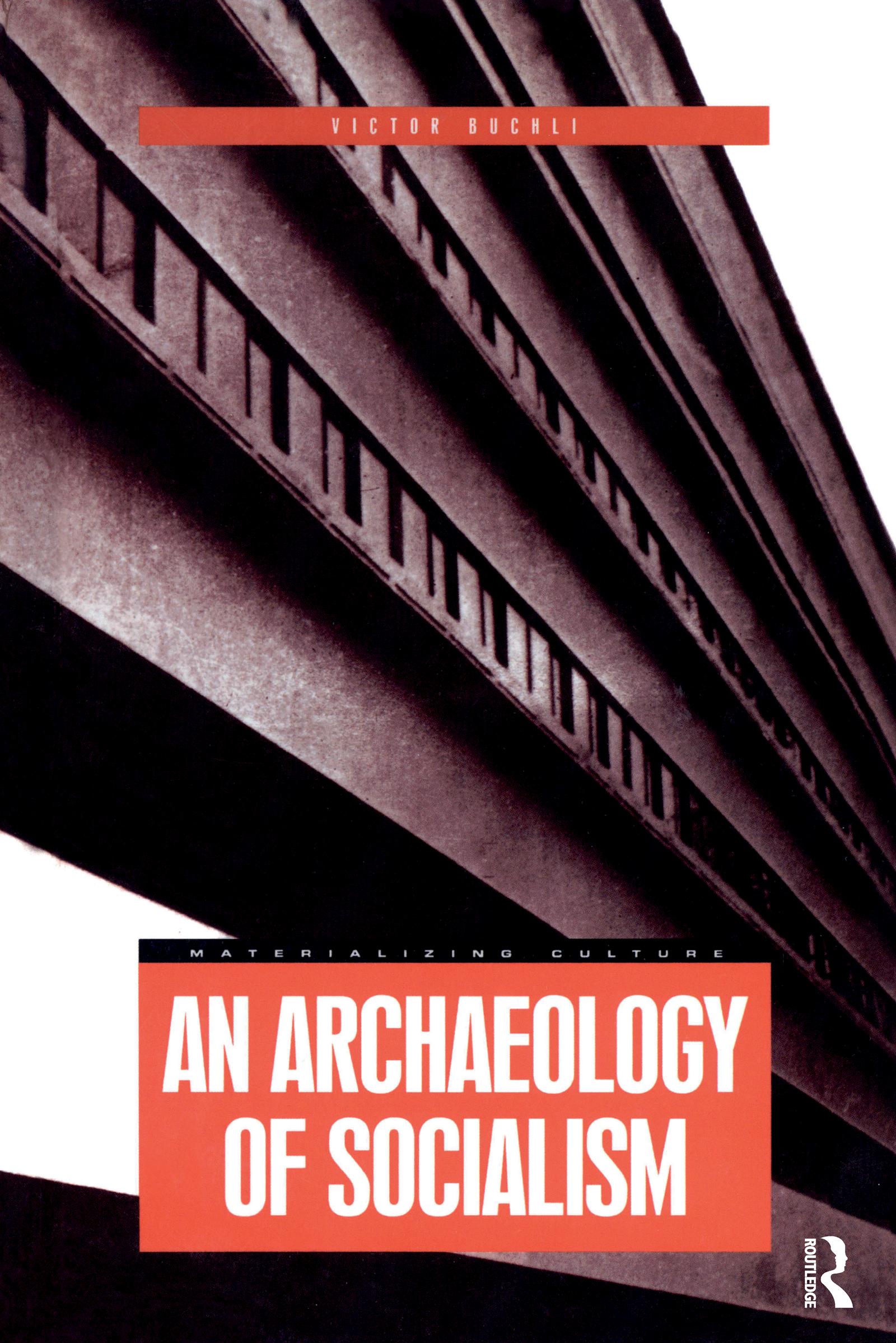
This highly original case study, which adopts a material culture perspective, is unprecedented in social and cultural histories of the Soviet period and provides a unique window on social relations. The author demonstrates how Moisei Ginzburg's Constructivist masterpiece, the Narkomfin Communal House, employed classic Marxist understandings of material culture in an effort to overturn capitalist and patriarchal social structures. Through the edifying effects of architectural forms, Ginzburg attempted to induce socialist and feminist-inspired social and gender relations. The author shows how, for the inhabitants, these principles manifested themselves, from taste to hygiene to gender roles, and how individuals variously appropriated architectural space and material culture to cope with the conditions of daily life, from the utopianism of the First Five Year Plan and Stalin's purges to the collapse of the Soviet Union. This book makes a major contribution to: the history of socialism in the Soviet Union and, more generally, Eastern Europe; material culture studies; architectural history; archaeology and social anthropology.
Pages: 240
Catégorie: Arkitektur & Stadsplanering
e-ISBN: 9781000180664
Poids d'expédition: 1.2 kg
Expédié sous: 1-2 jours
Payez facilement par carte, Klarna, Apple Pay ou Google Pay. Pas satisfait ? Vous avez toujours une garantie de remboursement de 14 jours. En savoir plus dans nos conditions. Si vous avez des questions, envoyez-nous un e-mail à hello@memmo.org.
Memmo facilite tes études, où que tu sois dans le monde. On rassemble tes manuels de cours et des outils d'étude intelligents au même endroit : résumés, quiz, podcasts et flashcards. Et il y a Ted, ton compagnon d'étude qui répond à toutes tes questions. Plus de 50 000 étudiants étudient déjà ici – conçu pour t'aider à apprendre plus vite et à moins stresser.
Tu pourrais aussi aimer
Acheter le livre0