
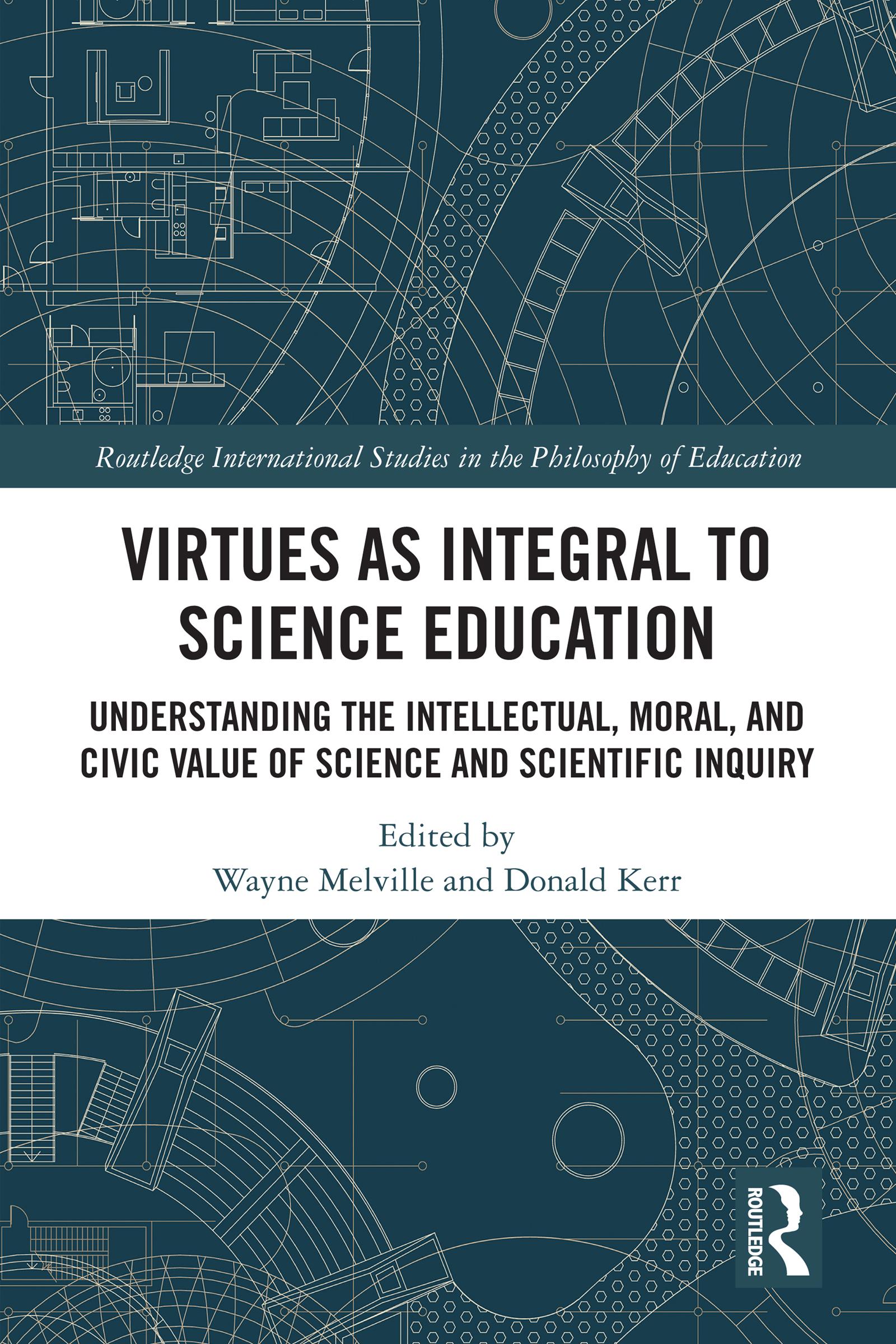
By investigating the re-emergence of intellectual, moral, and civic virtues in the practice and teaching of science, this text challenges the increasing professionalization of science; questions the view of scientific knowledge as objective; and highlights the relationship between democracy and science.
Written by a range of experts in science, the history of science, education and philosophy, the text establishes the historical relationship between natural philosophy and the Aristotelian virtues before moving to the challenges that the relationship faces, with the emergence, and increasing hegemony, brought about by the professionalization of science. Exploring how virtues relate to citizenship, technology, and politics, the chapters in this work illustrate the ways in which virtues are integral to understanding the values and limitations of science, and its role in informing democratic engagement. The text also demonstrates how the guiding virtues of scientific inquiry can be communicated in the classroom to the benefit of both individuals and wider societies.
Scholars in the fields of Philosophy of Science, Ethics and Philosophy of Education, as well as Science Education, will find this book to be highly useful.
Payez facilement par carte, Klarna, Apple Pay ou Google Pay. Pas satisfait ? Vous avez toujours une garantie de remboursement de 14 jours. En savoir plus dans nos conditions. Si vous avez des questions, envoyez-nous un e-mail à hello@memmo.org.
Memmo facilite tes études, où que tu sois dans le monde. On rassemble tes manuels de cours et des outils d'étude intelligents au même endroit : résumés, quiz, podcasts et flashcards. Et il y a Ted, ton compagnon d'étude qui répond à toutes tes questions. Plus de 50 000 étudiants étudient déjà ici – conçu pour t'aider à apprendre plus vite et à moins stresser.