
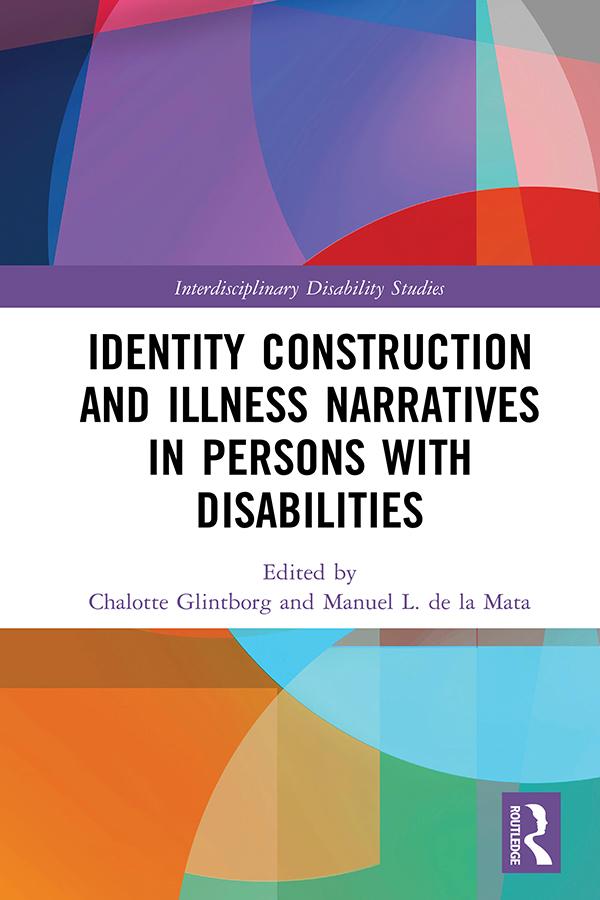
This book investigates how being diagnosed with various disabilities impacts on identity. Once diagnosed with a disability, there is a risk that this label can become the primary status both for the person diagnosed as well as for their family. This reification of the diagnosis can be oppressive because it subjugates humanity in such a way that everything a person does can be interpreted as linked to their disability.
Drawing on narrative approaches to identity in psychology and social sciences, the bio-psycho-social model and a holistic approach to disabilities, the chapters in this book understand disability as constructed in discourse, as negotiated among speaking subjects in social contexts, and as emergent. By doing so, they amplify voices that may have otherwise remained silent and use storytelling as a way of communicating the participants' realities to provide a more in-depth understanding of their point of view.
This book will be of interest to all scholars and students of disability studies, sociology, medical humanities, disability research methods, narrative theory, and rehabilitation studies.
Payez facilement par carte, Klarna, Apple Pay ou Google Pay. Pas satisfait ? Vous avez toujours une garantie de remboursement de 14 jours. En savoir plus dans nos conditions. Si vous avez des questions, envoyez-nous un e-mail à hello@memmo.org.
Memmo facilite tes études, où que tu sois dans le monde. On rassemble tes manuels de cours et des outils d'étude intelligents au même endroit : résumés, quiz, podcasts et flashcards. Et il y a Ted, ton compagnon d'étude qui répond à toutes tes questions. Plus de 50 000 étudiants étudient déjà ici – conçu pour t'aider à apprendre plus vite et à moins stresser.