
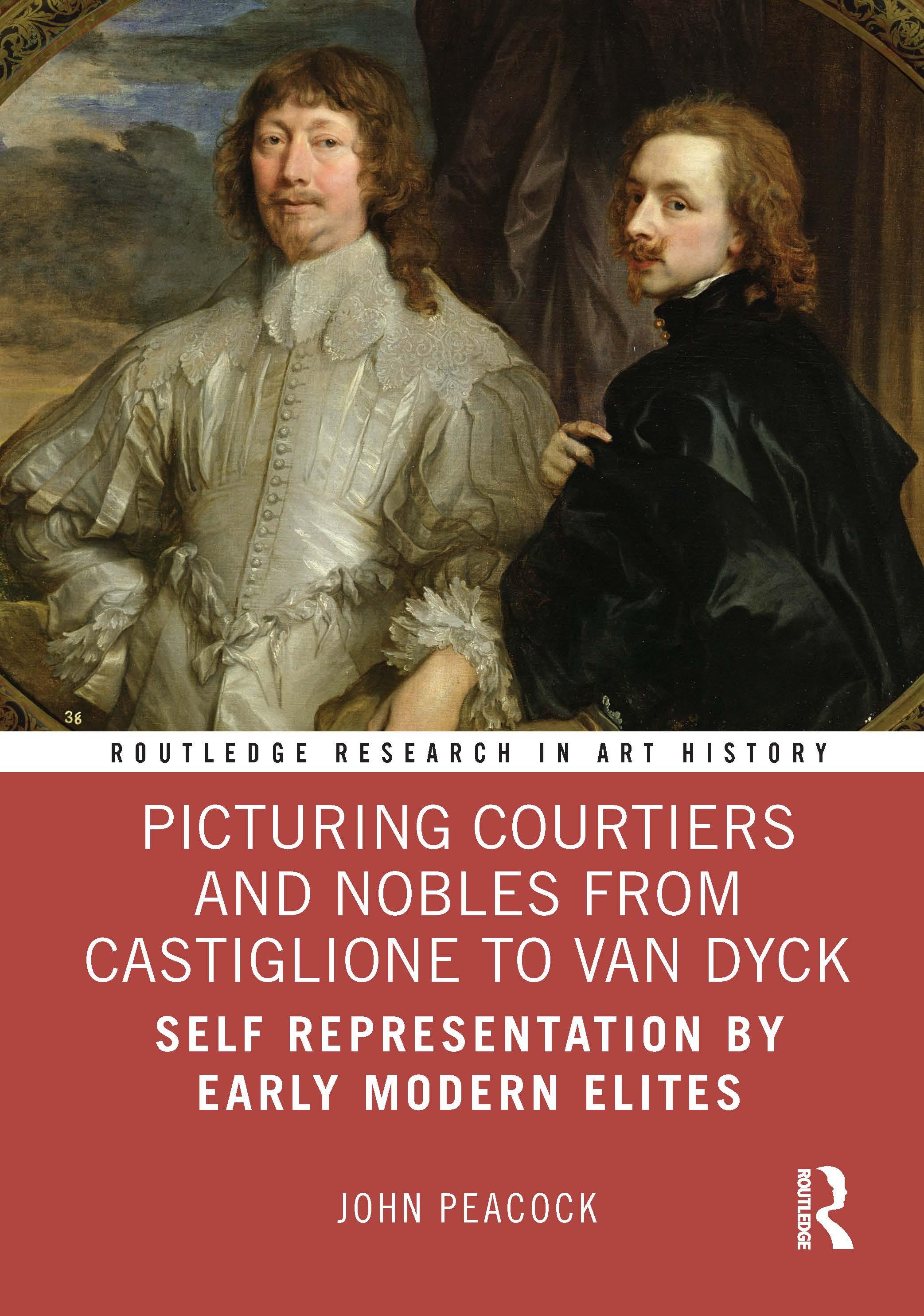
This interdisciplinary study examines painted portraiture as a defining metaphor of elite self-representation in early modern culture.
Beginning with Castiglione’s Book of the Courtier (1528), the most influential early modern account of the formation of elite identity, the argument traces a path across the ensuing century towards the images of courtiers and nobles by the most persuasive of European portrait painters, Van Dyck, especially those produced in London during the 1630s. It investigates two related kinds of texts: those which, following Castiglione, model the conduct of the ideal courtier or elite social conduct more generally; and those belonging to the established tradition of debates about the condition of nobility –how far it is genetically inherited and how far a function of excelling moral and social behaviour. Van Dyck is seen as contributing to these discussions through the language of pictorial art.
The book will be of interest to scholars working in art history, cultural history, early modern history and Renaissance studies.
Payez facilement par carte, Klarna, Apple Pay ou Google Pay. Pas satisfait ? Vous avez toujours une garantie de remboursement de 14 jours. En savoir plus dans nos conditions. Si vous avez des questions, envoyez-nous un e-mail à hello@memmo.org.
Memmo facilite tes études, où que tu sois dans le monde. On rassemble tes manuels de cours et des outils d'étude intelligents au même endroit : résumés, quiz, podcasts et flashcards. Et il y a Ted, ton compagnon d'étude qui répond à toutes tes questions. Plus de 50 000 étudiants étudient déjà ici – conçu pour t'aider à apprendre plus vite et à moins stresser.