
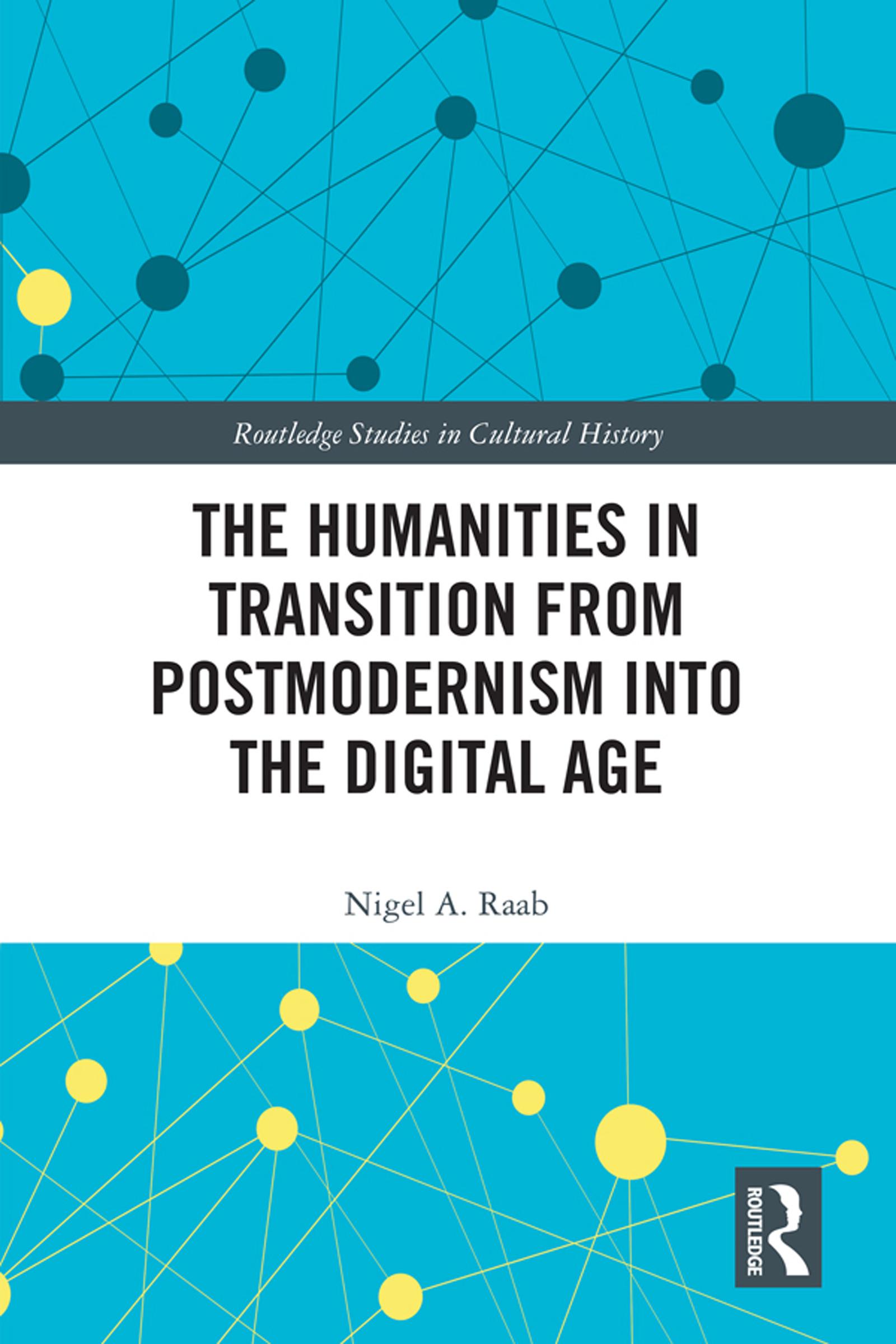
The Humanities in Transition explores how the basic components of the digital age will have an impact on the most trusted theories of humanists. Over the past two generations, humanists have come to take basic postmodern theories for granted whether on language, knowledge or time. Yet Michel Foucault, Jacques Derrida and similar philosophers developed their ideas when the impact of this digital world could barely be imagined. The digital world, built on algorithms and massive amounts of data, operates on radically different principles.
This volume analyzes these differences, demonstrating where an aging postmodernism cannot keep pace with today’s technologies. The book first introduces the major influence postmodern had on global thought before turning to algorithms, digital space, digital time, data visuals and the concept to digital forgeries. By taking a closer look at these themes, it establishes a platform to create more robust humanist theories for the third millennium. This book will appeal to graduate students and established scholars in the Digital Humanities who are looking for diverse and energetic theoretical approaches that can truly come to terms with the digital world.
Payez facilement par carte, Klarna, Apple Pay ou Google Pay. Pas satisfait ? Vous avez toujours une garantie de remboursement de 14 jours. En savoir plus dans nos conditions. Si vous avez des questions, envoyez-nous un e-mail à hello@memmo.org.
Memmo facilite tes études, où que tu sois dans le monde. On rassemble tes manuels de cours et des outils d'étude intelligents au même endroit : résumés, quiz, podcasts et flashcards. Et il y a Ted, ton compagnon d'étude qui répond à toutes tes questions. Plus de 50 000 étudiants étudient déjà ici – conçu pour t'aider à apprendre plus vite et à moins stresser.