
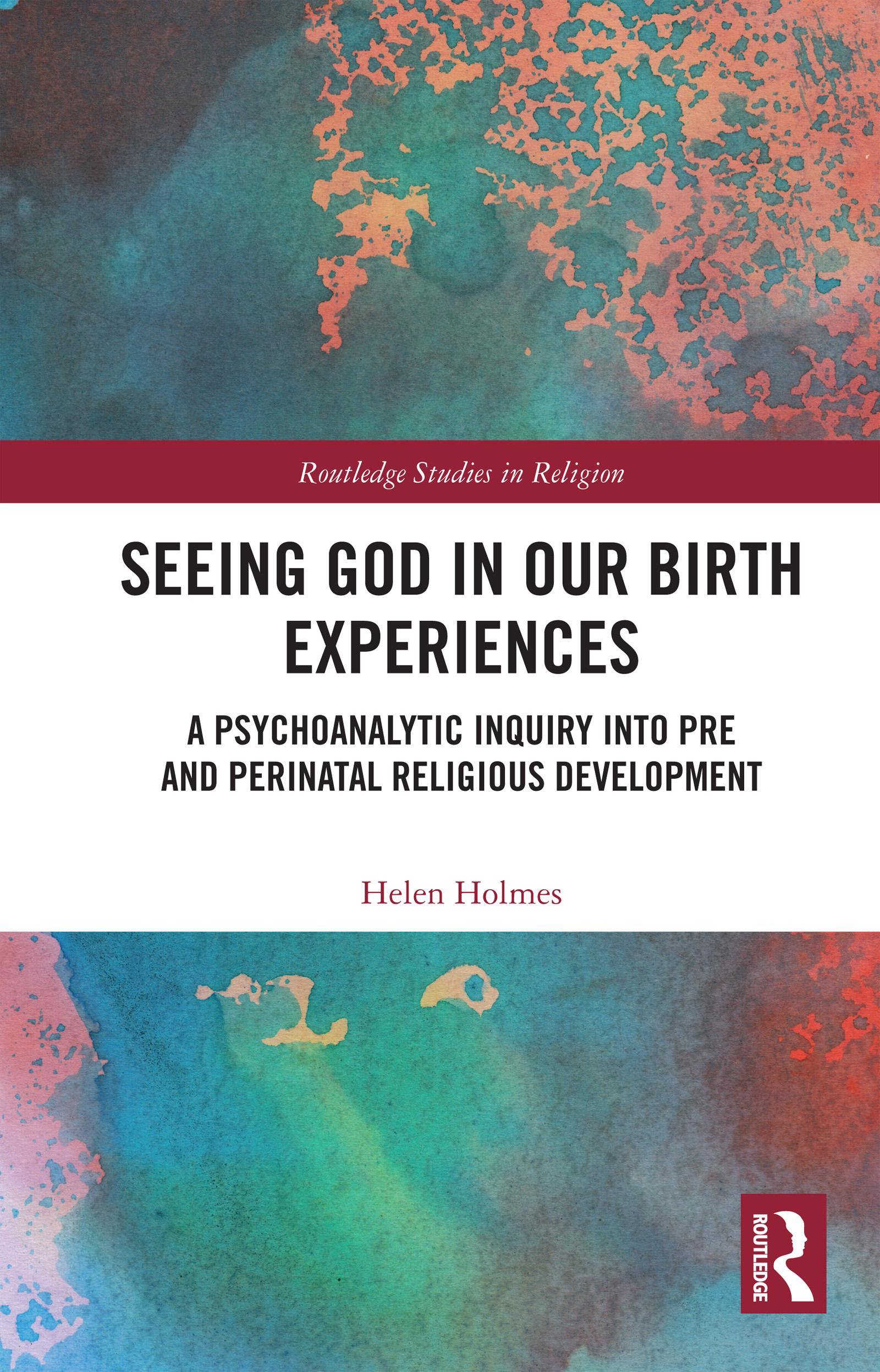
There has been a recent surge in the examination of the evolutionary roots of religious belief, all trying to identify where the human desire to seek the supernatural and the divine comes from. This book adds a new and innovative perspective to this line of thought by being the first to link prenatal and perinatal experiences to the origins of these unconscious underpinnings of our shared images of God.
The book poses a ground-breaking paradigm by thinking about our earliest images of God, whether theist or atheist, within a psychoanalytic framework, comparing and contrasting the thought of Freud and Rizzuto. It looks at the issue of images of God from a diversity of psychological perspectives including, attachment theory, developmental theory and bio-psychosocial perspectives. This analysis leads to the conclusion that in parallel to postnatal findings, uterine and birth experiences can predispose individuals to form God representations later in life, through underpinning affective and environmental factors.
This is a bold study of the development of one of humanity’s most fundamental aspects. As such, it will be of great interest to scholars of the psychology of religion, psychology, psychoanalysis, religious studies and early infant development.
Payez facilement par carte, Klarna, Apple Pay ou Google Pay. Pas satisfait ? Vous avez toujours une garantie de remboursement de 14 jours. En savoir plus dans nos conditions. Si vous avez des questions, envoyez-nous un e-mail à hello@memmo.org.
Memmo facilite tes études, où que tu sois dans le monde. On rassemble tes manuels de cours et des outils d'étude intelligents au même endroit : résumés, quiz, podcasts et flashcards. Et il y a Ted, ton compagnon d'étude qui répond à toutes tes questions. Plus de 50 000 étudiants étudient déjà ici – conçu pour t'aider à apprendre plus vite et à moins stresser.