
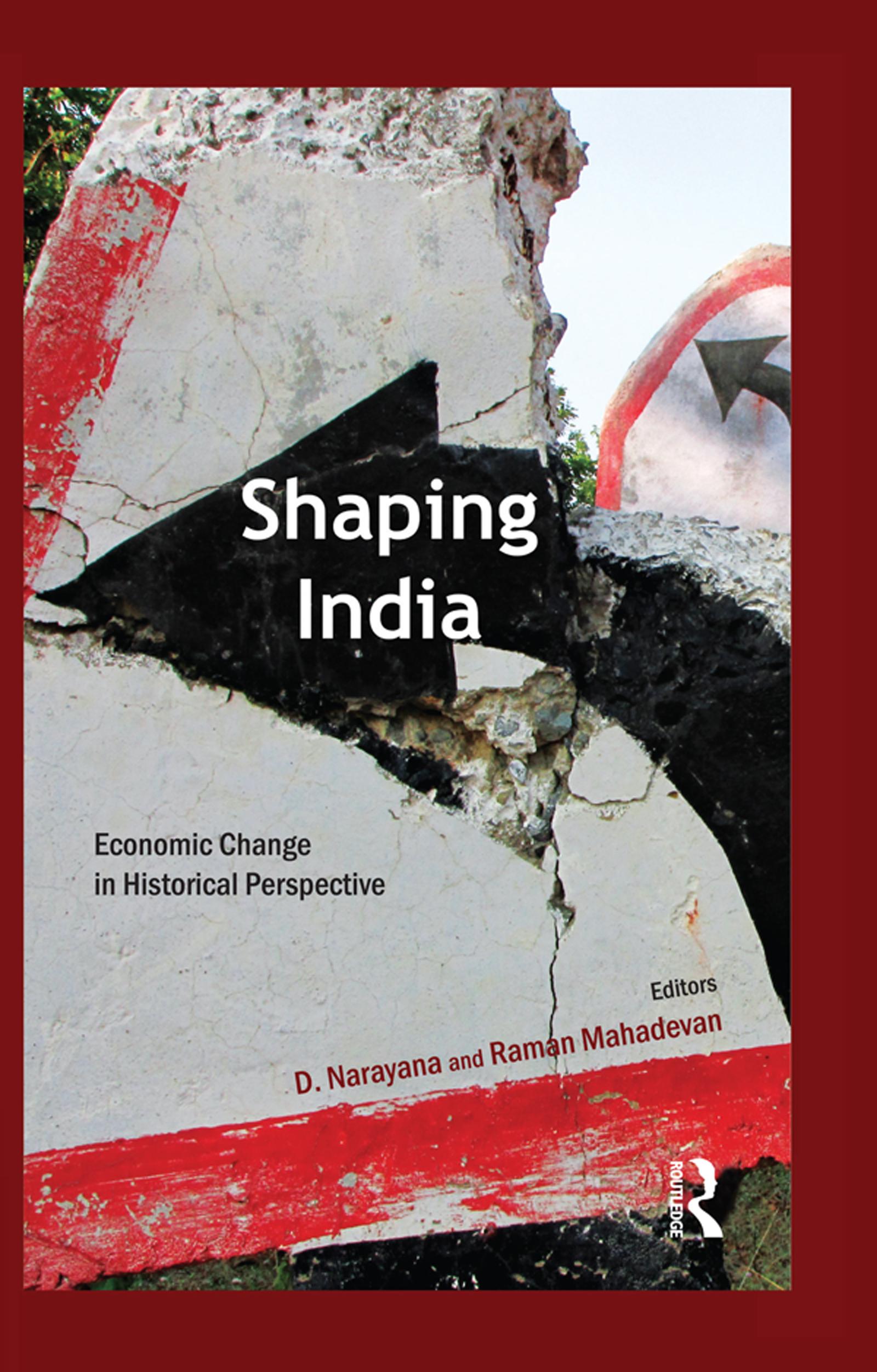
This volume seeks to unravel and contextualize the so-called dichotomy of ‘old’ and ‘new’ India and what binds them together. To understand this complex process, it attempts to apply a long-term historical perspective, a different conception of the economy and cross-disciplinary approaches.
The exceptional feature of this volume is the large historical canvas of essays and its sensitivity to the regional dimension in a country as large and diverse as India. They deal with issues ranging from land and agriculture, entrepreneurship, industry and demographic trends to a critical anatomy of modern Indian economic historiography. Together these essays contribute in providing significantly new and enriching insights into the complex process of transition from colonial to post-colonial economic development. There has been a conscious effort in most cases to capture the influence of the colonial economic structures and processes in shaping the trajectory of growth and development in the post-independence period. Drawing upon a large amount of extremely rich and varied data and information on the socio-economic trends, the book is lucid, well-crafted and reader-friendly.
Payez facilement par carte, Klarna, Apple Pay ou Google Pay. Pas satisfait ? Vous avez toujours une garantie de remboursement de 14 jours. En savoir plus dans nos conditions. Si vous avez des questions, envoyez-nous un e-mail à hello@memmo.org.
Memmo facilite tes études, où que tu sois dans le monde. On rassemble tes manuels de cours et des outils d'étude intelligents au même endroit : résumés, quiz, podcasts et flashcards. Et il y a Ted, ton compagnon d'étude qui répond à toutes tes questions. Plus de 50 000 étudiants étudient déjà ici – conçu pour t'aider à apprendre plus vite et à moins stresser.