
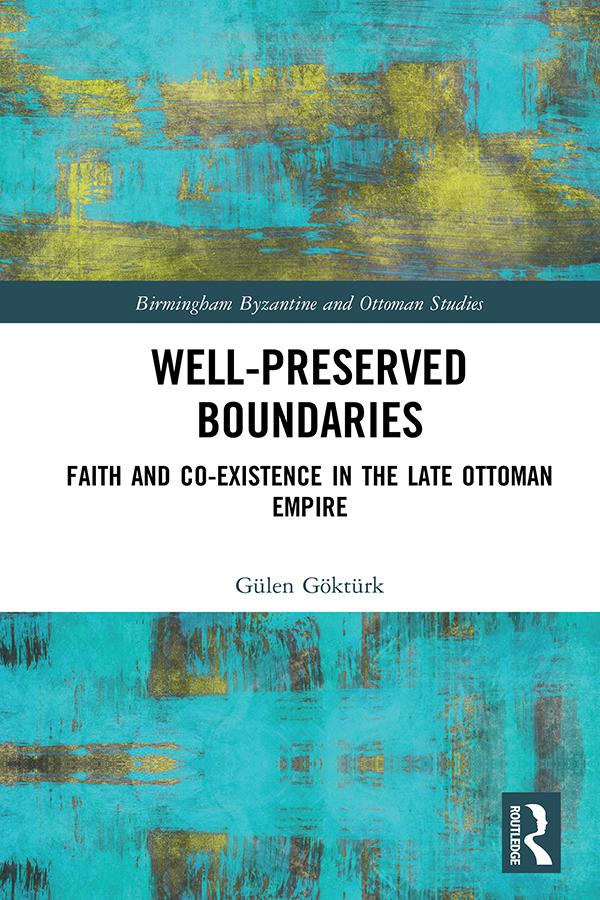
Cappadocia was a place of co-habitation of Christians and Muslims, until the Greco-Turkish Population Exchange (1923) terminated the Christian presence in the region. Using an interdisciplinary approach drawing on history, political science and anthropology, this study investigates the relationship between tolerance, co-habitation, and nationalism. Concentrating particularly on Orthodox-Muslim and Orthodox-Protestant practices of living together in Cappadocia during the last fifty years of the Ottoman Empire, it responds to the prevailing romanticism about the Ottoman way of handling diversity. The study also analyses the transformation of the social identity of Cappadocian Orthodox Christians from Christians to Greeks, through various mechanisms including the endeavour of the elite to utilise education and the press, and through nationalist antagonism during the long war of 1912 to 1922.
Payez facilement par carte, Klarna, Apple Pay ou Google Pay. Pas satisfait ? Vous avez toujours une garantie de remboursement de 14 jours. En savoir plus dans nos conditions. Si vous avez des questions, envoyez-nous un e-mail à hello@memmo.org.
Memmo facilite tes études, où que tu sois dans le monde. On rassemble tes manuels de cours et des outils d'étude intelligents au même endroit : résumés, quiz, podcasts et flashcards. Et il y a Ted, ton compagnon d'étude qui répond à toutes tes questions. Plus de 50 000 étudiants étudient déjà ici – conçu pour t'aider à apprendre plus vite et à moins stresser.