
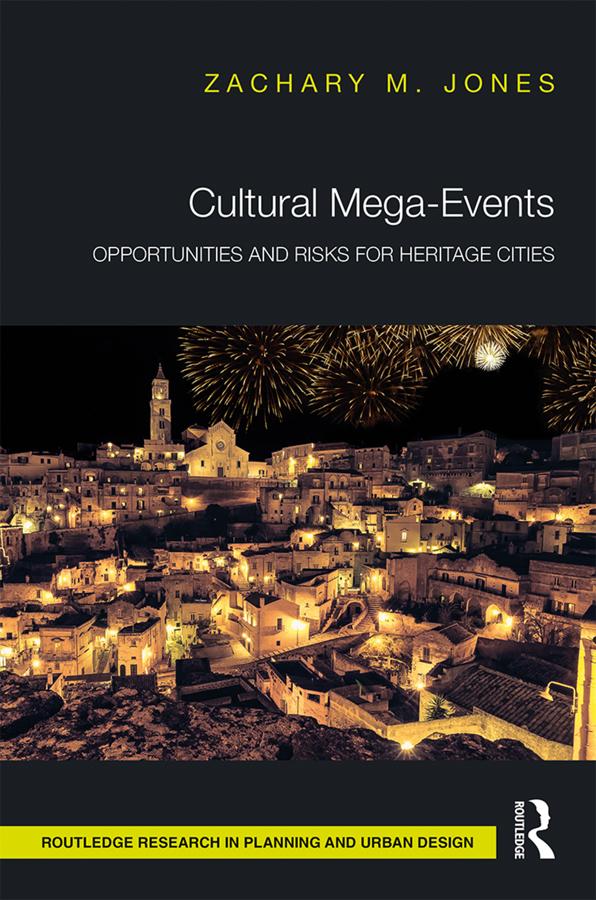
Mega-events have long been used by cities as a strategy to secure global recognition and attract future economic investment. However, while cultural mega-events like the European Capital of Culture have become increasingly popular, cities have begun questioning the traditional model of other events such as the Olympic Games with many candidate cities cancelling bids in recent years. This approach to planning and developing cities through mega-events introduces a broad range of physical effects and nuanced institutional changes for cities, particularly for the more sensitive heritage areas of cities. This book explores these issues by first examining the dynamics of cities’ attempts to reduce overall costs and increase the sustainability of these large events by further embedding them within the existing fabric of the city and second by studying in depth the impact on the heritage of host cities. This book investigates three World Heritage Cities: Genoa, Liverpool and Istanbul, each of which have hosted the European Capital of Culture and introduced a variety of opportunities and risks for their heritage. The book highlights the potential benefits and challenges of integrating event and heritage planning to provide lessons that can help future historic cities and heritage decision makers better prepare for such events.
Payez facilement par carte, Klarna, Apple Pay ou Google Pay. Pas satisfait ? Vous avez toujours une garantie de remboursement de 14 jours. En savoir plus dans nos conditions. Si vous avez des questions, envoyez-nous un e-mail à hello@memmo.org.
Memmo facilite tes études, où que tu sois dans le monde. On rassemble tes manuels de cours et des outils d'étude intelligents au même endroit : résumés, quiz, podcasts et flashcards. Et il y a Ted, ton compagnon d'étude qui répond à toutes tes questions. Plus de 50 000 étudiants étudient déjà ici – conçu pour t'aider à apprendre plus vite et à moins stresser.