
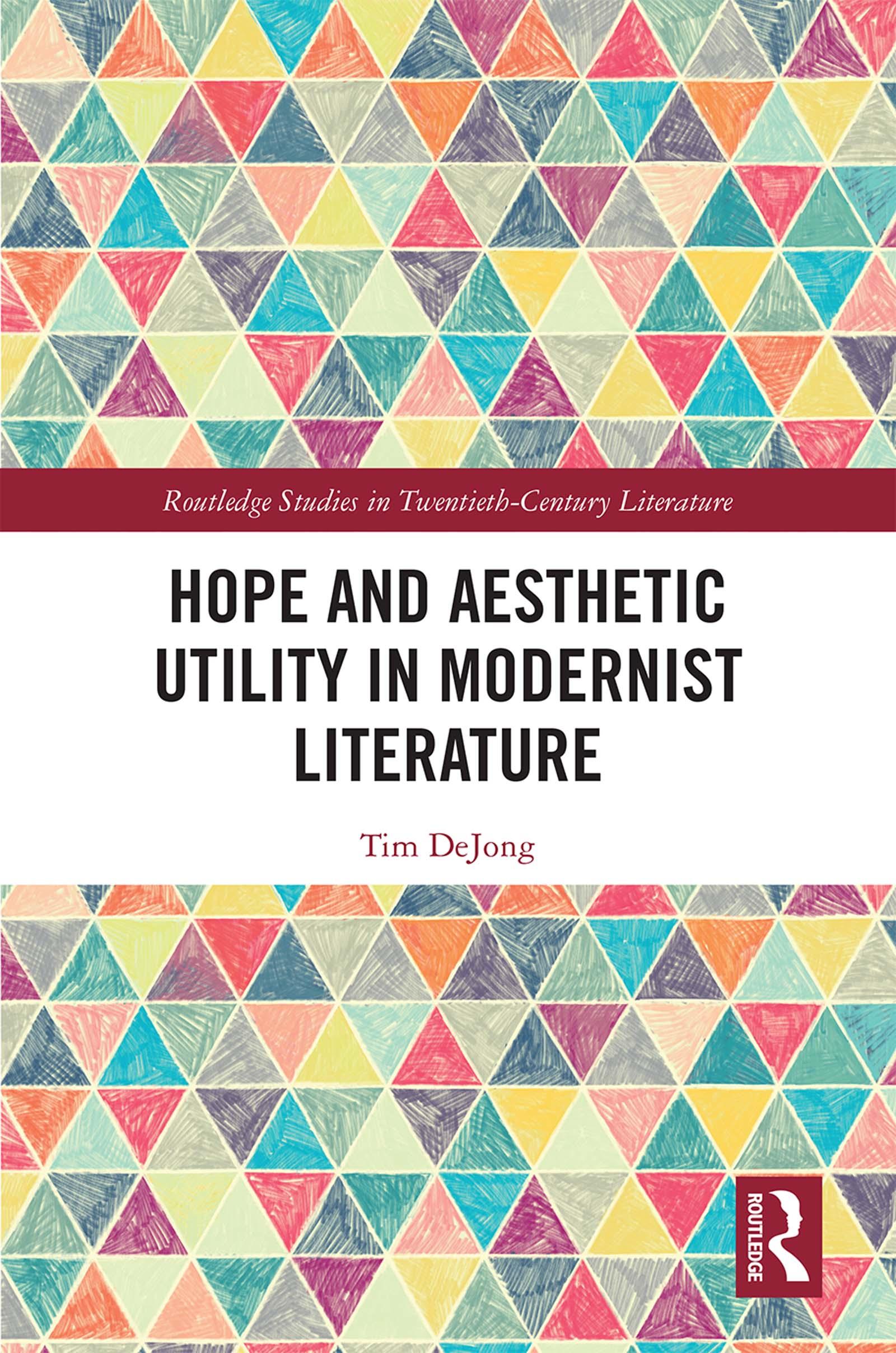
"Hope" and "modernism" are two words that are not commonly linked. Moving from much-discussed negative affects to positive forms of feeling, Hope and Aesthetic Utility in Modernist Literature argues that they should be. This book contends that much of modernist writing and thought reveals a deeply held confidence about the future, one premised on the social power of art itself. In chapters ranging across a diverse array of canonical writers – Henry James, D.W. Griffith, H.D., Melvin Tolson, and Samuel Beckett – this text locates in their works an optimism linked by a common faith in the necessity of artistic practice for cultural survival. In this way, the famously self-attentive nature of modernism becomes a means, for its central thinkers and artists, of reflecting on what DeJong calls aesthetic utility: the unpredictable, ungovernable capacity of the work of art to shape the future even while envisioning it.
Payez facilement par carte, Klarna, Apple Pay ou Google Pay. Pas satisfait ? Vous avez toujours une garantie de remboursement de 14 jours. En savoir plus dans nos conditions. Si vous avez des questions, envoyez-nous un e-mail à hello@memmo.org.
Memmo facilite tes études, où que tu sois dans le monde. On rassemble tes manuels de cours et des outils d'étude intelligents au même endroit : résumés, quiz, podcasts et flashcards. Et il y a Ted, ton compagnon d'étude qui répond à toutes tes questions. Plus de 50 000 étudiants étudient déjà ici – conçu pour t'aider à apprendre plus vite et à moins stresser.