
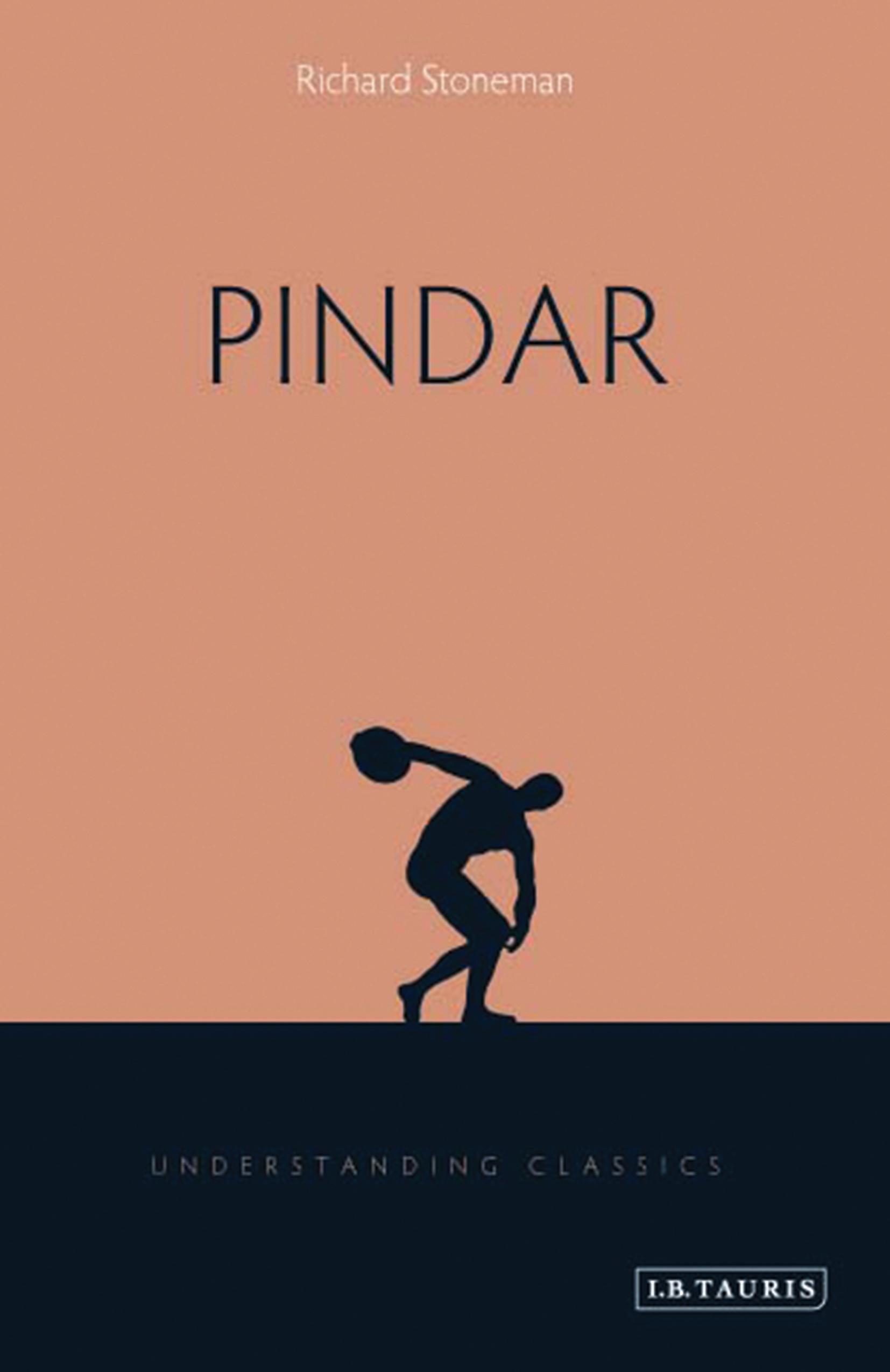
The 6th/5th century BCE Greek melic (or songwriting) poet Pindar was one of the most celebrated lyricists of antiquity. His famous victory odes offer a paean to the heroic athlete, and collectively are an attempt to encapsulate, through choral songs of exaltation, the glory of the sportsman's moment of victory - whether in athletics or horse-racing - at a variety of Panhellenic festivals and Olympian games. Yet Pindar, though still respected, is now considered a difficult poet, and is sometimes dismissed as a reactionary, celebrating an aristocratic world that was passing and that deserved to pass. In this first work on the subject for many years, Richard Stoneman shows that Pindar's works, while at first seeming obscure and fragmentary, reward further study. An unmatched craftsman with words, and witness to a profoundly religious sensibility, he is a poet who takes modern readers to the heart of Greek ideas about the gods, fleeting human achievement and fallibility. The author examines questions of performance and genre; patronage; imagery; and reception, beginning with Horace.
Payez facilement par carte, Klarna, Apple Pay ou Google Pay. Pas satisfait ? Vous avez toujours une garantie de remboursement de 14 jours. En savoir plus dans nos conditions. Si vous avez des questions, envoyez-nous un e-mail à hello@memmo.org.
Memmo facilite tes études, où que tu sois dans le monde. On rassemble tes manuels de cours et des outils d'étude intelligents au même endroit : résumés, quiz, podcasts et flashcards. Et il y a Ted, ton compagnon d'étude qui répond à toutes tes questions. Plus de 50 000 étudiants étudient déjà ici – conçu pour t'aider à apprendre plus vite et à moins stresser.